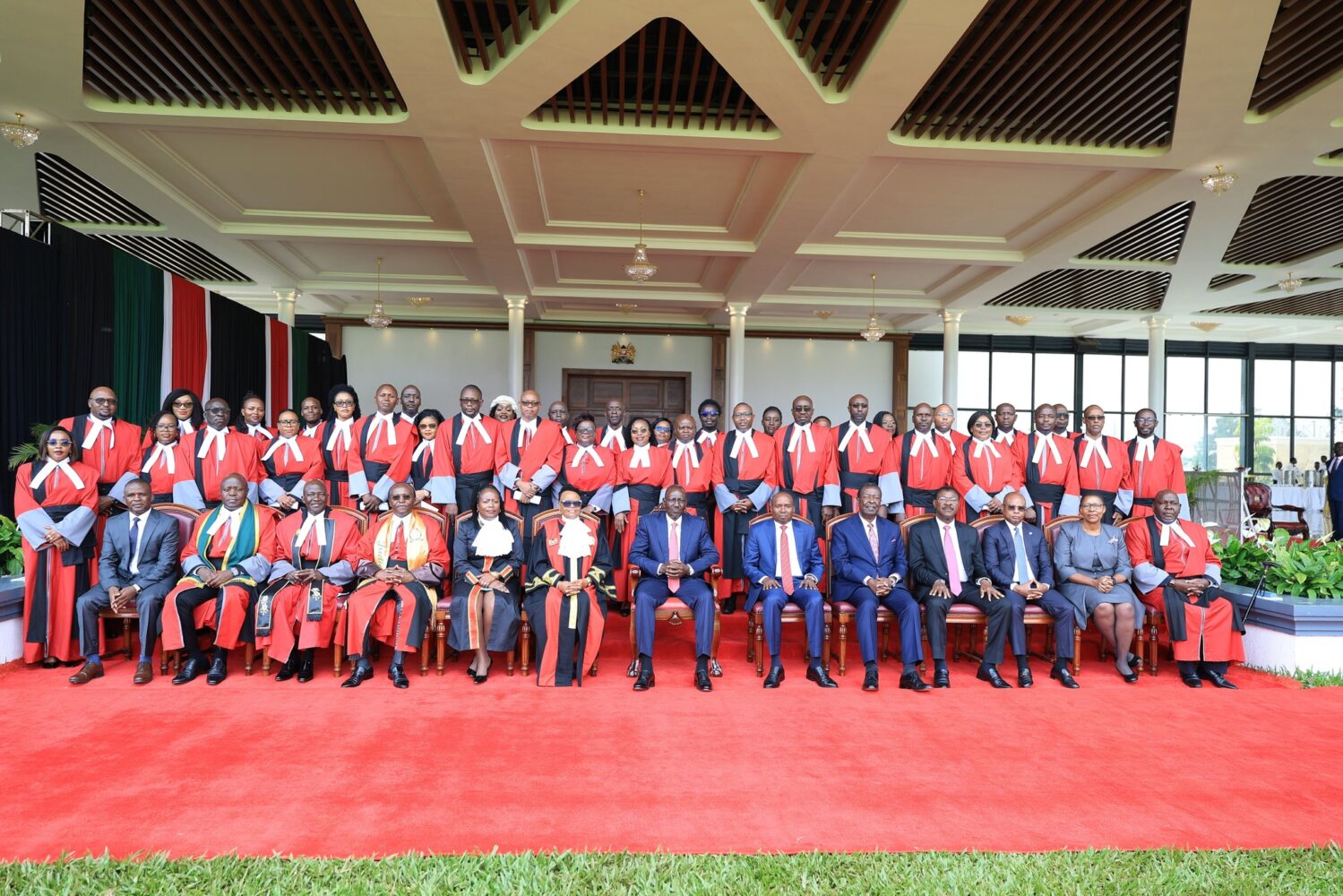
When the Judicial Service Commission (JSC) nominated 37 judges to the High Court and the Environment and Land Court, it did more than fill vacancies. It made history, in many ways. This marked the single largest cohort of Judges nominated by the JSC and appointed by the President.
Behind each name on that list is a story. A community finally represented. A ceiling finally shattered. A Kenya finally seen.
Lady Justice Lilian Tsuma Lewa
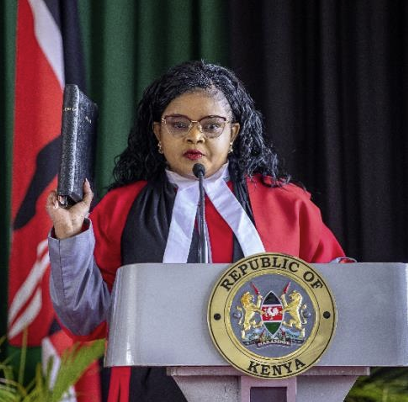
Lady Justice Lilian Tsuma Lewa is the first female judge from Kilifi County to serve in the Environment and Land Court.
This is a milestone for a coastal community that has long awaited its place on the bench.
Lady Justice Winnie Molonko
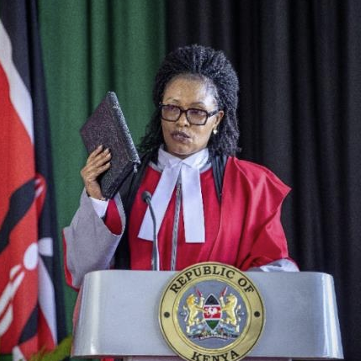
She is the first female Judge of the High Court from Narok County.
Her appointment carries the hopes of a region whose women have historically been underrepresented in the highest corridors of justice.
Lady Justice Patricia Leparashao
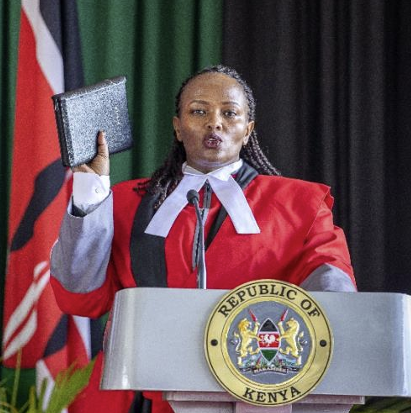
She is the first female High Court judge from Samburu County.
In a region defined by vast landscapes and resilient communities, justice now has a face that reflects its people.
Justice Abdi Hassan
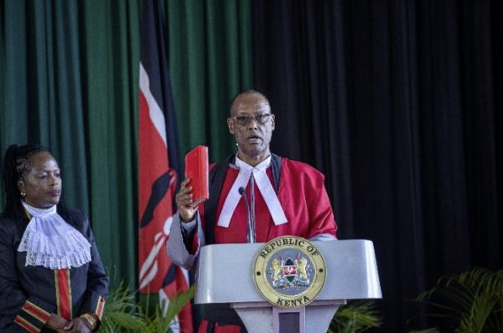
He brings the voice of Wajir County to the High Court bench, with his appointment affirming that Kenya’s Northeastern region is not on the periphery of justice.
Lady Justice Joyce Gandani
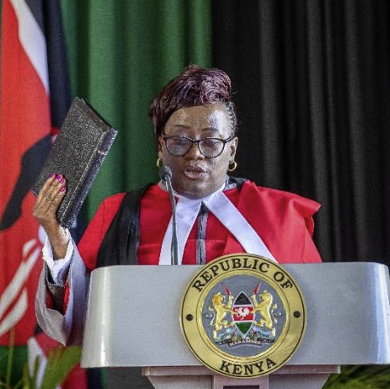
She is the first female judge from Kilifi County in the High Court, doubling the county’s historic moment and signalling that representation is not a token. it’s a commitment.
Justice Joseph Biomdo
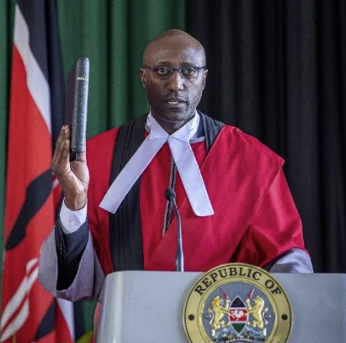
He is the first Judge ever appointed from the Ministry of Defence.
Professional diversity: A bench richer in experience.
The JSC didn’t just look at geography. It looked at the full spectrum of Kenya’s professional excellence.
These appointments draw from:
➢ Academia — bringing scholarly rigour and constitutional depth to the bench
➢ The Legal Fraternity — experienced practitioners who have lived the law in courtrooms across the country
➢ Public Service (AG’s office, parastatals, Treasury, Parliament, Judiciary, Ministry of defence, Tribunals, Constitutional Commissions) — administrators who understand how justice intersects with governance and policy.
Gender Parity
Environment and Land Court has 8 males and 5 female judges, while High Court has 15 males and 9 female judges.
This year alone, Kenya has witnessed an unprecedented strengthening of its judicial capacity. In January, the JSC nominated 15 Judges to the Court of Appeal, who were subsequently appointed by the President.
The Commission further nominated 24 Judges to the High Court and 13 Judges to the Environment and Land Court, who took their Oath of Office on 4th May 2026.
In total, 52 judges have been appointed across 3 superior courts in this single year, the largest judicial expansion in Kenya’s recent history.
The scale of this undertaking reflects the depth of Kenya’s justice needs and the Commission’s unwavering resolve to meet them.
Accountability to the People of Kenya
The Judicial Service Commission resolved that effective 1st July 2026, the Judiciary shall commence the publication of individual performance data for Judges and Judicial officers (Magistrates and Kadhis) in a structured and transparent framework that safeguards judicial independence and institutional integrity.
“This is in recognition of our duty to remain accountable to the people of Kenya who are the ultimate consumers and financiers of justice and in whose name judicial authority is derived and exercised.”