A legal dispute has emerged between a Kenyan patient and the Kenya Medical Research Institute (KEMRI) over conflicting findings of her HIV status, raising broader questions about the reliability of diagnostic systems in the country.
Millicent Awino, a follower of Prophet Dr Owuor, is demanding the immediate retraction of KEMRI’s conclusions contained in a letter dated April 20, 2026. The institute stated that there was no evidence she had ever been HIV positive—despite years of documented diagnosis and treatment within Kenya’s public health system.
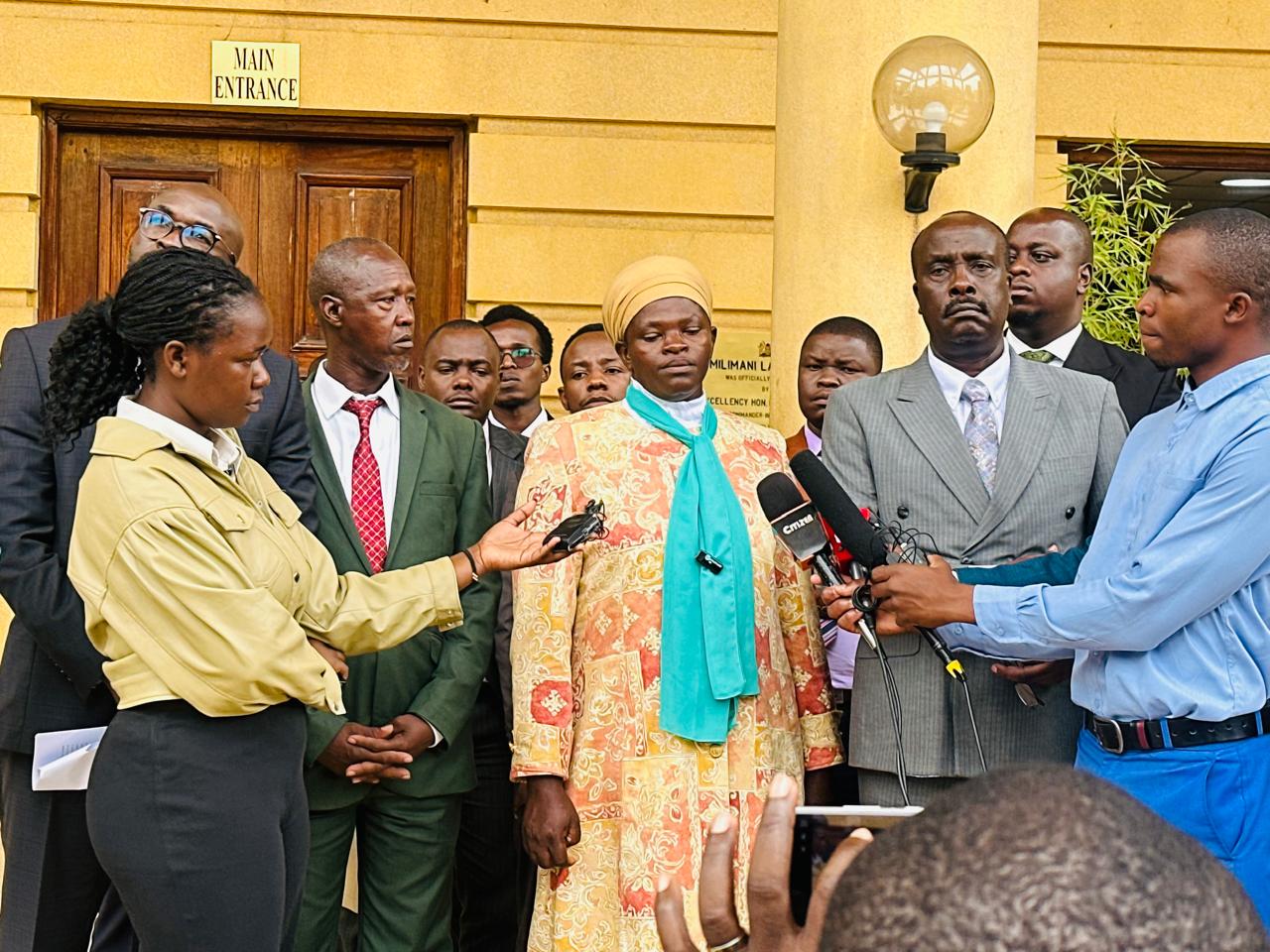
Through her lawyers—Danstan Omari, Cliff Ombeta and Stanley Kinyanjui—Awino argues that she was first diagnosed with HIV in September 2023 at a government health facility after presenting symptoms consistent with the infection.
A subsequent test at another facility reportedly confirmed the diagnosis, leading to her enrolment in care and immediate initiation of antiretroviral therapy (ART) in line with national guidelines.
Medical records cited in the demand letter—including her Comprehensive Care Clinic (CCC) card and entries in the Taifa Care system—indicate that she remained on treatment under government supervision as a confirmed HIV patient.
However, the case took a dramatic turn in late 2024. Awino began testing HIV negative after participating remotely in a religious healing event led by Prophet Owuor.
According to her account, she followed a televised crusade held in Menengai, Nakuru, placing her HIV clinic card against the television screen during prayers and reporting a sensation she interpreted as healing.
Subsequent HIV tests conducted across multiple facilities—including one in February 2025 and a viral load test in September 2025—reportedly returned negative or undetectable results.
The unexpected findings prompted escalation to national health authorities, including the National AIDS and STI Control Programme (NASCOP), which authorised further investigations and confirmatory testing.
Additional tests conducted under KEMRI supervision in early 2026 were described as inconclusive, with Awino being recalled multiple times. Despite this, KEMRI ultimately concluded there was no evidence of prior HIV infection—a determination now being challenged in the legal notice.
Her legal team argues that the conclusion contradicts established medical protocols. Under Kenya’s HIV Testing Services Guidelines, they note, a patient cannot be enrolled on ART without confirmed positive results from both initial and confirmatory tests.
The lawyers warn that the apparent inconsistency raises serious concerns about possible procedural lapses or systemic failures in HIV diagnosis and management.
Awino is now seeking a formal withdrawal of KEMRI’s findings and clarification from the Ministry of Health on the reliability of the country’s HIV testing framework. The matter, framed as one of significant public interest, has also been reported to the Directorate of Criminal Investigations (DCI).
The dispute references a separate case involving another patient with similar allegations, further intensifying scrutiny over potential discrepancies in HIV staus.