Scientists, policymakers and development partners have called for increased investment in African-led research, saying the future of the Congo Basin, the world’s second-largest tropical rainforest, depends on stronger local scientific leadership to address growing environmental challenges.
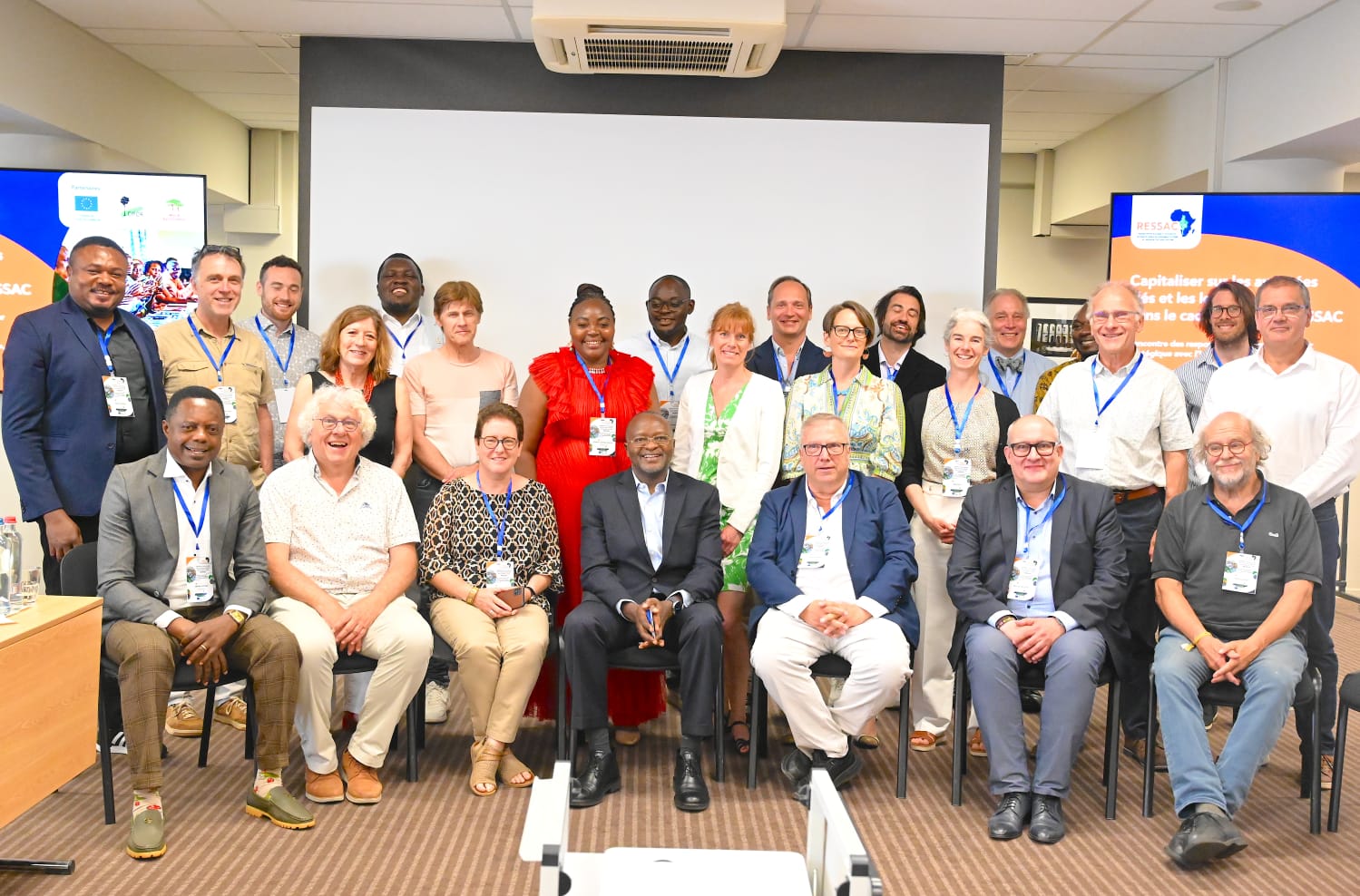
The call was made during a high-level forum on advancing Africa-led research for the sustainable management of Central African forests, organised by Landscape Alliance through its European Union-funded RESSAC programme.
Experts warned that despite the Congo Basin’s critical role in regulating Africa’s climate, conserving biodiversity and supporting the livelihoods of more than 100 million people, the ecosystem continues to face mounting threats from deforestation, land degradation, unsustainable resource use and climate change.
Speaking during the meeting in Nairobi Kenya, forestry expert and former European Commission Directorate-General for International Partnerships Team Leader Philippe Mayaux, said research remains central to protecting the region’s forests.
”Building on the science, research and knowledge generated over the years will be essential to supporting the sustainable management of Central Africa’s forest ecosystems and ensuring that research continues to inform action on the ground,” Mayaux said.
Participants noted that African institutions should play a leading role in generating scientific knowledge and shaping solutions that respond to the realities facing communities across Central Africa.
Landscape Alliance Africa Director Peter Minang, said that protecting the Congo Basin is not only a regional concern but an issue of continental importance.
”Protecting the Congo Basin is not only a Central African priority; it is an African priority. These forests are vital to the continent’s climate resilience, biodiversity and sustainable development. Investing in African research ensures we generate the knowledge and solutions needed to secure this globally important ecosystem for future generations,” Minang said.
The discussions also highlighted the achievements of the RESSAC programme, which promotes collaboration among Central African universities, research institutions, European partners and organisations working in natural resource management.
Unlike traditional research projects, the programme adopts a consortium-based approach that integrates scientific expertise with field experience to produce evidence that informs policy and supports sustainable forest governance.
RESSAC Programme Lead Richard Sufo said environmental challenges affecting the Congo Basin require regional cooperation rather than isolated national efforts.
”Forests do not recognise political boundaries. The solutions we develop must therefore be built through regional collaboration, shared knowledge and long-term partnerships,” Sufo said.
They further emphasised the need to invest in the next generation of African scientists through training, mentorship and stronger regional research networks, while encouraging closer collaboration between researchers, governments, communities and the private sector.