
Africa’s climate crisis is no longer being defined by a shortage of ideas. The continent’s biggest challenge is finding the money, political will and systems needed to transform proven local innovations into lasting solutions.
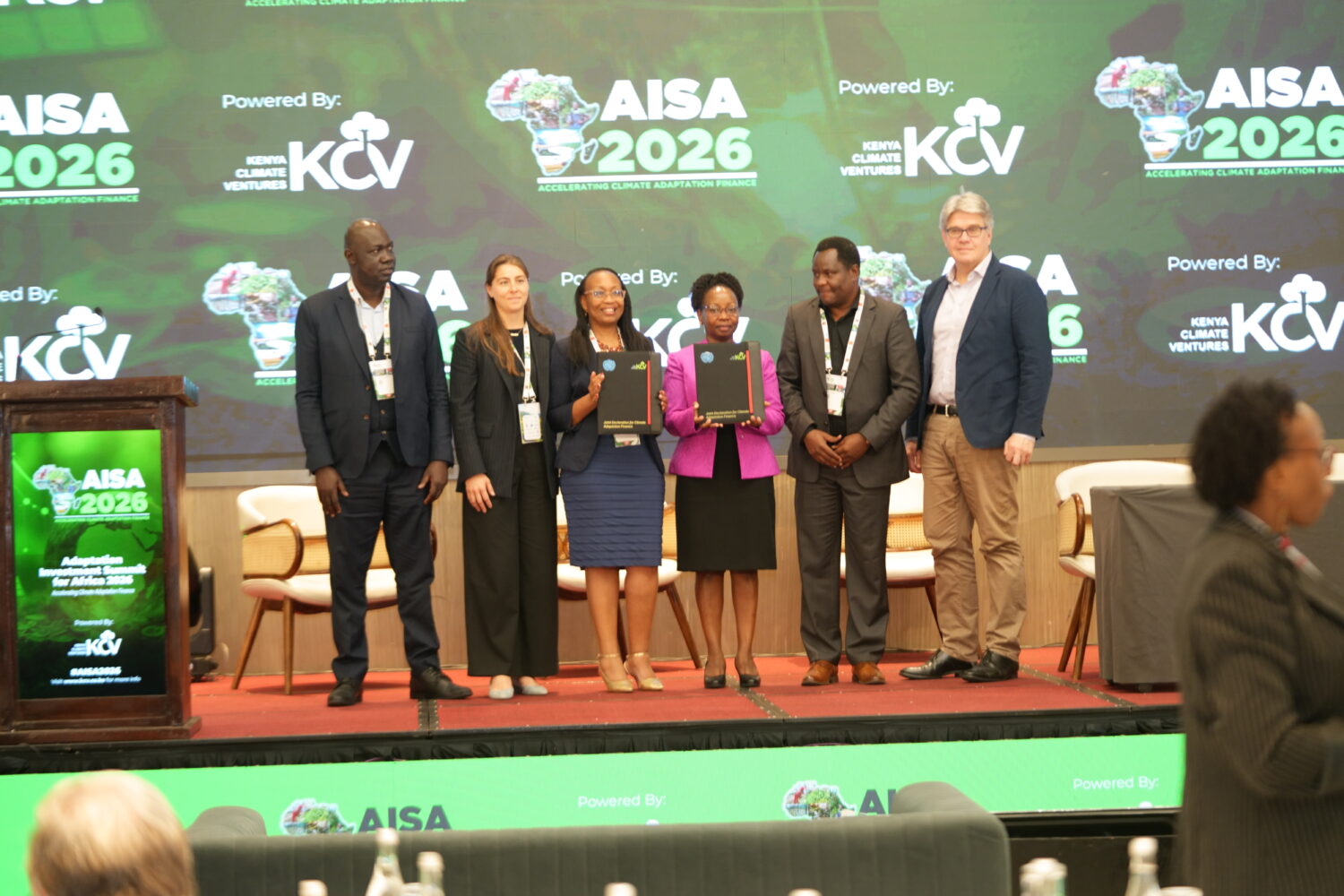
That was the resounding message from experts, policymakers, innovators and investors who gathered in Nairobi for the Adaptation Investment Summit for Africa (AISA) 2026, where speakers challenged governments, financiers and development partners to move beyond small pilot projects and begin investing in scalable, community-driven climate solutions.
The summit, convened by Kenya Climate Ventures (KCV) and partners including the Two Rivers International Finance & Innovation Centre (TRIFIC), brought together leaders from government, finance, research institutions, development agencies and the private sector to discuss how Africa can close its widening climate adaptation financing gap while building resilient economies.
Opening the discussion, Dr. Kalua Green painted a sobering picture of the challenge facing developing countries.
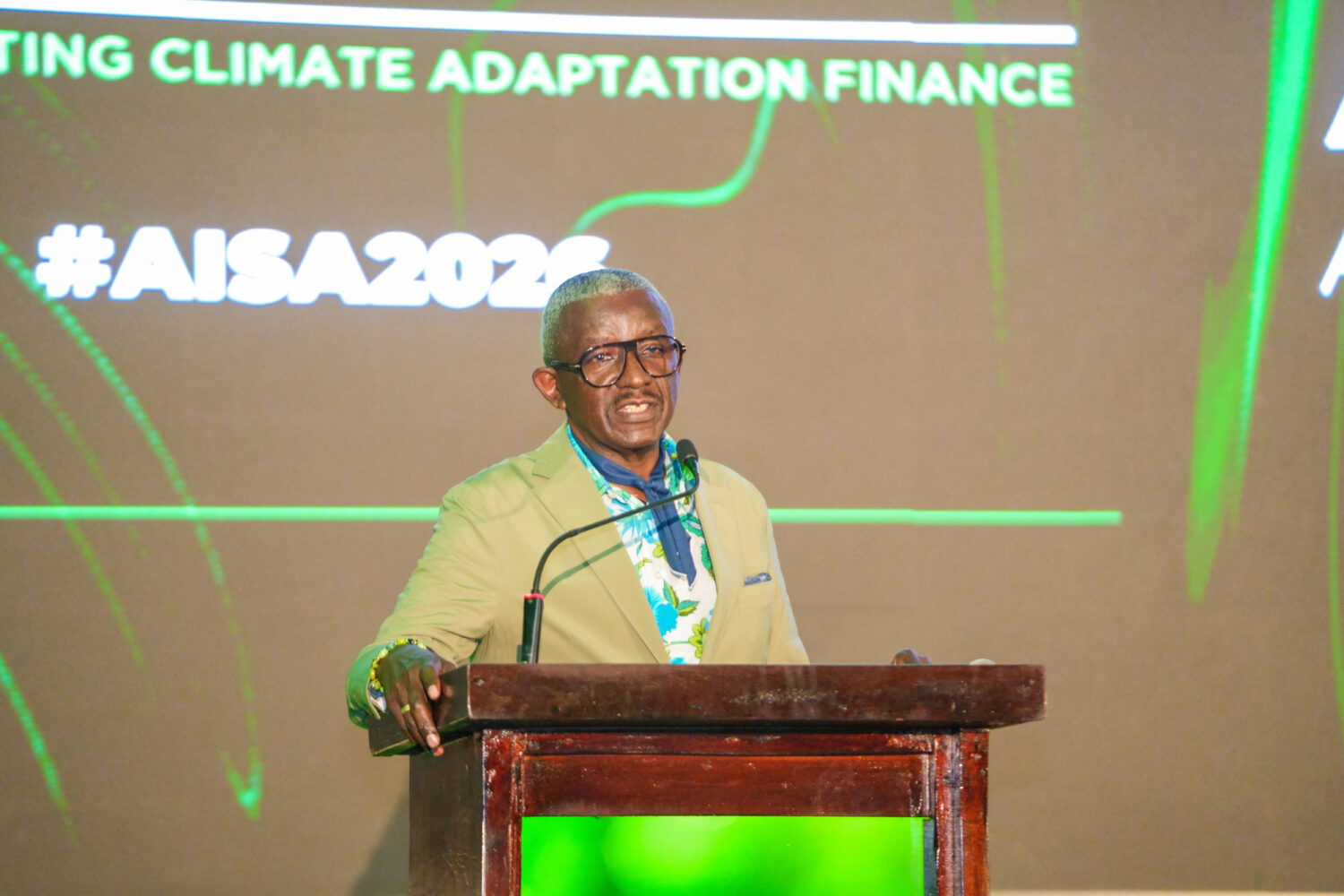
Citing global estimates, he noted that developing nations will require between US$310 billion and US$365 billion annually by 2035 to finance climate adaptation, yet international adaptation finance amounted to only about US$26 billion in 2023.
“That is not just a financial gap. It is a courage gap, an imagination gap, a speed gap and sometimes a respect gap because the people facing the greatest climate risks are often the last to receive finance,” he said.
Despite the daunting figures, Kalua argued that climate adaptation should not be viewed as an expense but as an economic opportunity.
“Adaptation is not a sunk cost. It is one of the greatest investment opportunities of our generation.”
He challenged governments, investors and development partners to move beyond pilot projects that fail to survive once donor funding dries up.
“Stop building pilots that never become markets. Stop applauding innovation while starving it of working capital. Stop calling communities vulnerable while refusing to invest in their strength.”
Perhaps his most striking analogy reframed the way Africa should view its agricultural sector.
“Kenya’s largest factory has no roof.”
He said the country’s farms, ranches, fisheries and rural communities collectively form its largest production system, yet unlike traditional industries they often operate without adequate financing, storage, insurance, logistics, market intelligence or climate-risk protection.
“The farmer is not merely a beneficiary. The farmer is a food manufacturer, a climate manager, a water steward and part of Africa’s largest open-air production system.”
The call to rethink climate adaptation was echoed by Ms. Brenda Mbathi, Chief Executive Officer of the Two Rivers International Finance & Innovation Centre (TRIFIC), who urged governments and development partners to stop viewing communities merely as victims of climate change.
Instead, she said, local people possess innovations and indigenous knowledge that should be strengthened through science, technology and sustained investment.
“We should not just look at them as victims of climate change. We should look at them as people who have innovations and knowledge that can work together with science.”
Mbathi noted that climate-smart technologies, including drought-tolerant crops, efficient irrigation systems and water-saving innovations, already exist, but many communities cannot access them or receive support long enough to benefit from them.
“We have many good proposals, many good research projects and many successful pilots. But sometimes it is sad to see a very good pilot and, three years later, it is no longer there because it could not be sustained.”
She called for deliberate investment in locally developed innovations, arguing that communities are more likely to embrace climate adaptation when they own the solutions and understand their long-term benefits.
“There is a need to invest intentionally in locally led innovations so communities can preserve, improve and sustain solutions they have already developed.”
Mbathi also challenged perceptions that environmental regulations hinder investment, saying they should instead be viewed as tools that ensure projects remain sustainable while protecting natural resources.
“We do not want regulations to be seen as inhibitors. We want them to be facilitators so that investments remain sustainable and do not degrade the environment.”
She added that communities are more likely to protect forests, wetlands and rivers when they understand how healthy ecosystems directly support agriculture, livelihoods and climate resilience.
Throughout the summit, speakers repeatedly argued that Africa must move away from being seen solely through the lens of climate vulnerability and instead position itself as a continent rich with investable ideas, resilient communities and home-grown innovation.
Discussions also highlighted the need for patient capital, blended finance, stronger public-private partnerships and financing models that allow successful community innovations to scale beyond isolated demonstration projects.
As climate shocks become more frequent across the continent, from prolonged droughts to destructive floods, the consensus emerging from AISA 2026 was clear: Africa already has many of the ideas needed to adapt to a changing climate.
The challenge now is ensuring those ideas receive the financing, technology and policy support needed to move from promising pilot projects to sustainable enterprises capable of transforming communities and strengthening the continent’s resilience for generations to come.