
Nairobi’s streets came alive with purpose on Friday morning as hundreds of environmental advocates, community members, students, and county officials laced up their shoes and walked — quite literally — for the planet.
The Kenya Extended Producer Responsibility Organization (KEPRO), in partnership with the Nairobi City County Government, hosted the World Environment Day 2026 Green Walk, a 5-kilometre march held under the theme: “Climate Action Through Sustainable Waste Management.”
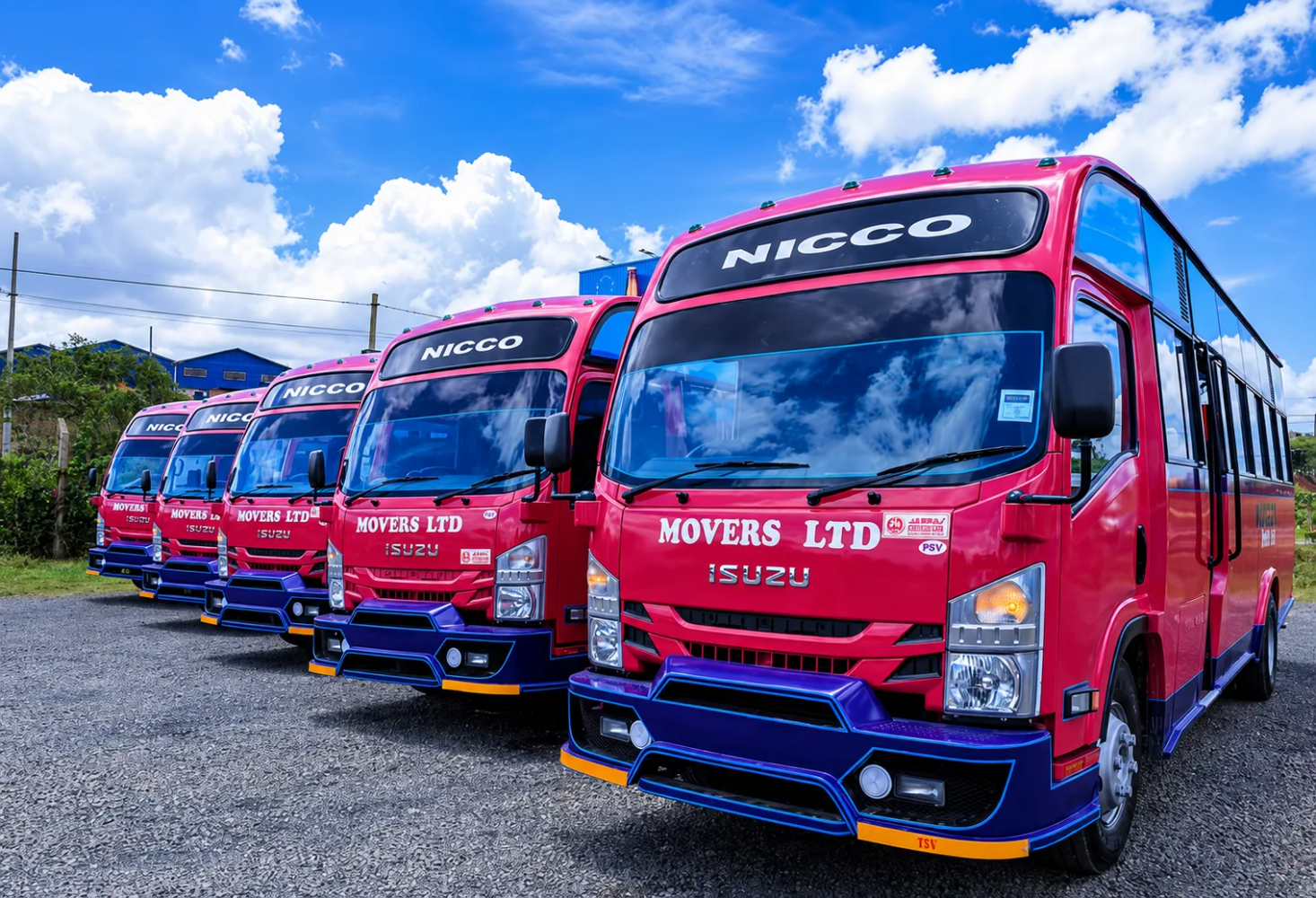
The event, held to mark the United Nations’ World Environment Day observed globally on the 5th of June, began at City Hall in Nairobi’s Central Business District, where county officials officially flagged off participants before they boarded buses to PAC University — the designated start point of the walk.

County officials sound the alarm on waste
Speaking at the City Hall flag-off, Nairobi City County Government officials called on residents to take personal responsibility for waste management, warning that unchecked pollution continues to pose a direct threat to public health and to the city’s broader climate ambitions. The officials underscored the need for communities to embrace waste segregation at source, recycling, and responsible disposal as everyday habits — not exceptional acts.
The county’s involvement in the walk signals a growing alignment between government policy and grassroots environmental action, with officials noting that Nairobi cannot meet its sustainability targets without the active participation of its citizens.

From PAC University to Kasarani: A 5KM statement
After the flag-off at City Hall, participants transferred by bus to PAC University along Thika Road, where the physical walk commenced. The 5-kilometre route wound through the Kasarani neighbourhood, culminating at Kingdom Seekers Fellowship. Along the way, walkers carried placards bearing environmental messages, engaged passersby, and drew significant public attention to the issues of plastic pollution, illegal dumping, and the urgent need for a functional circular economy in Kenya.
The walk brought together an eclectic mix of participants — from KEPRO member organisations and church groups to community-based organisations, technical colleges, and individual environmental champions — all united by a shared commitment to a cleaner Nairobi.

Community waste point launched, PPEs donated
One of the highlights of the day was the official launch of a Community Dry Waste Collection Point in Kasarani — a tangible infrastructure intervention aimed at giving residents a formal, accessible channel for disposing of recyclable waste. The launch is part of KEPRO’s broader mandate to establish and support producer responsibility systems across Kenya, reducing the volume of plastic and other dry waste that ends up in waterways, roadsides, and dumpsites.
In a gesture that drew applause from the crowd, KEPRO also donated Personal Protective Equipment (PPEs) and waste collection bins to frontline waste collectors operating in the Kasarani area. Often working in hazardous conditions and with little recognition, these workers — described by KEPRO officials as the unsung heroes of Kenya’s circular economy — were celebrated and equipped to continue their critical work more safely.





KEPRO’s circular economy vision
Established under Kenya’s Extended Producer Responsibility framework, KEPRO works to ensure that producers, importers, and brand owners take accountability for the end-of-life management of their products and packaging. Friday’s event was designed to make that policy conversation tangible and visible — bringing environmental stewardship out of boardrooms and into the streets, and out of policy briefs and into the hands of communities.
The event ran from 8:00 AM to 1:00 PM and was supported by a wide coalition of partners including NEMA, Youth Rescue Initiative, the State Department for Youth Affairs and the Creative Economy, KIPS Technical College, VSO Volunteers, Small Axe Environmental CBO, Davis & Shirtluff, Ardagh Glass Packaging, KombGreen Solutions, Tana and Athi Rivers Development Authority (TARDA), Alpine, the Danish Refugee Council, and several other organisations.
As World Environment Day 2026 draws to a close, KEPRO’s Green Walk stands as one of the most visible demonstrations of the principle at the heart of this year’s global theme: that climate action and waste management are inseparable, and that the solutions must involve everyone — government, industry, communities, and individuals alike.