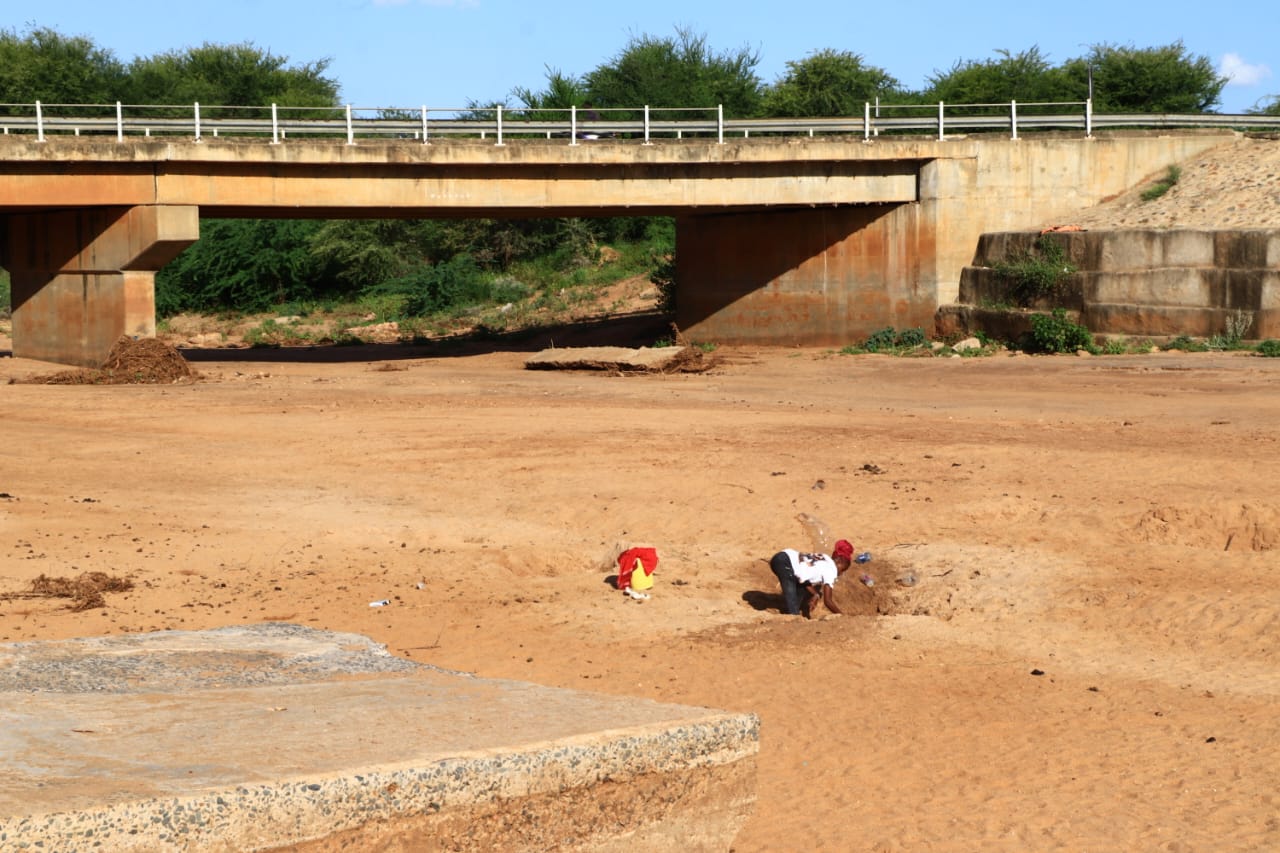
Every morning, women in Mwania, Nguni, in Mwingi set out on long journeys in search of water.
What was once a short walk to the seasonal Mwania River has become an exhausting trek as years of intensive sand harvesting leave the riverbed stripped bare and unable to retain water.
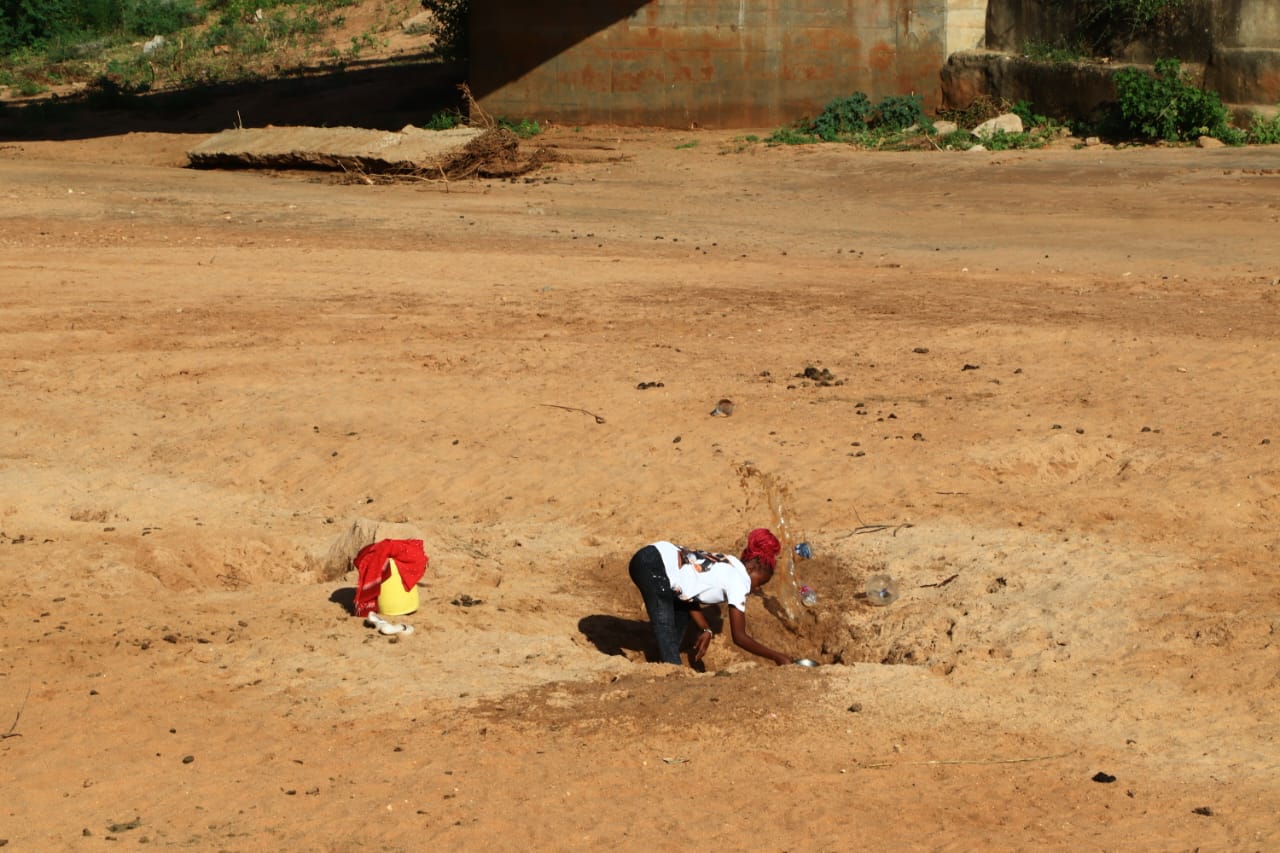
For many women, the environmental destruction unfolding before their eyes is not just about disappearing sand. It is about lost time, increased risks, broken families and an uncertain future.
For years, sand harvesting has flourished along rivers across Kitui County.
Despite generating income for a few, residents say the trade has left women carrying the greatest burden.
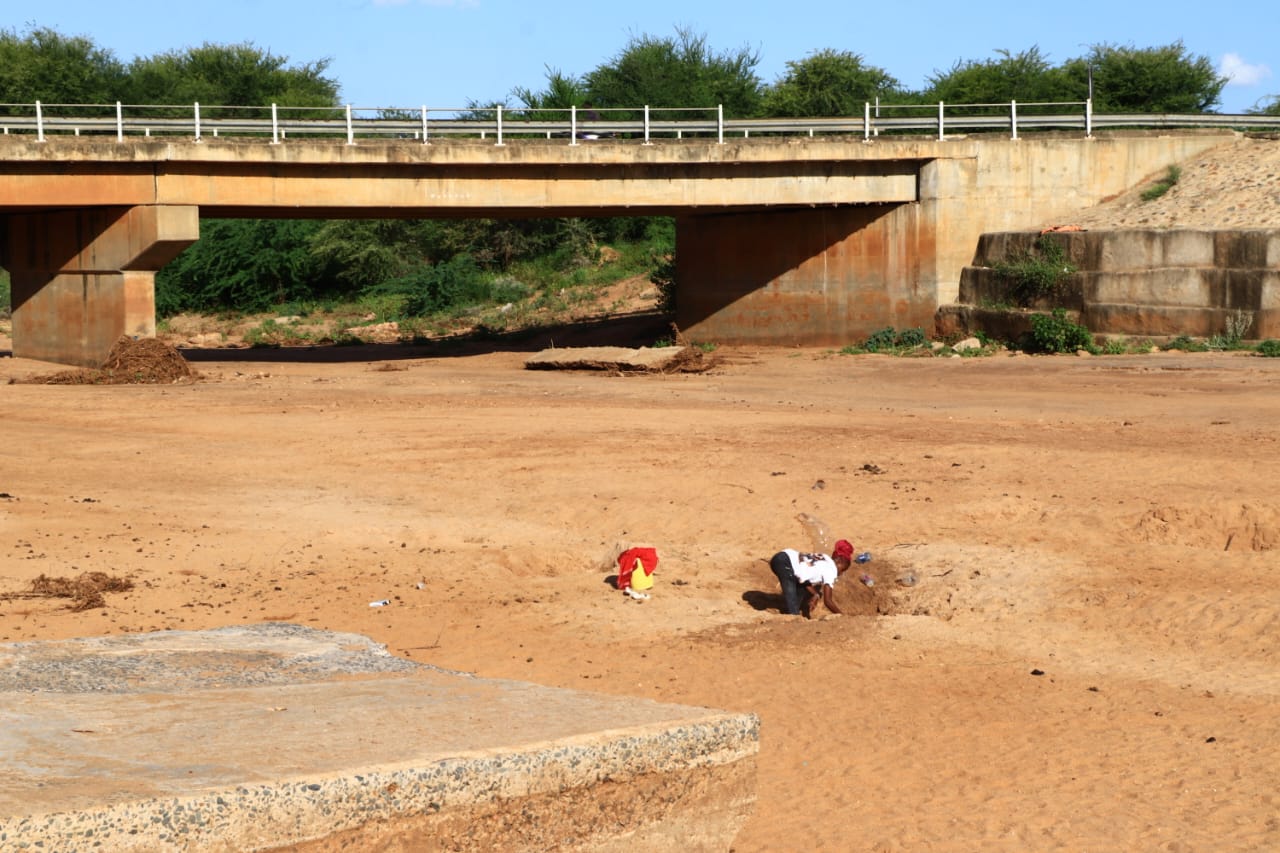
Women who once relied on water collected from the river now spend hours each day searching for alternative sources.
The longer journeys expose them and their daughters to insecurity and other dangers, particularly in an area where residents have reported increasing drug abuse among young people.
Community members say the depletion of river resources has disrupted livelihoods traditionally supported by women, including small-scale farming and beekeeping.
“The river used to sustain us,” says one resident. “Now we spend most of our time looking for water.”
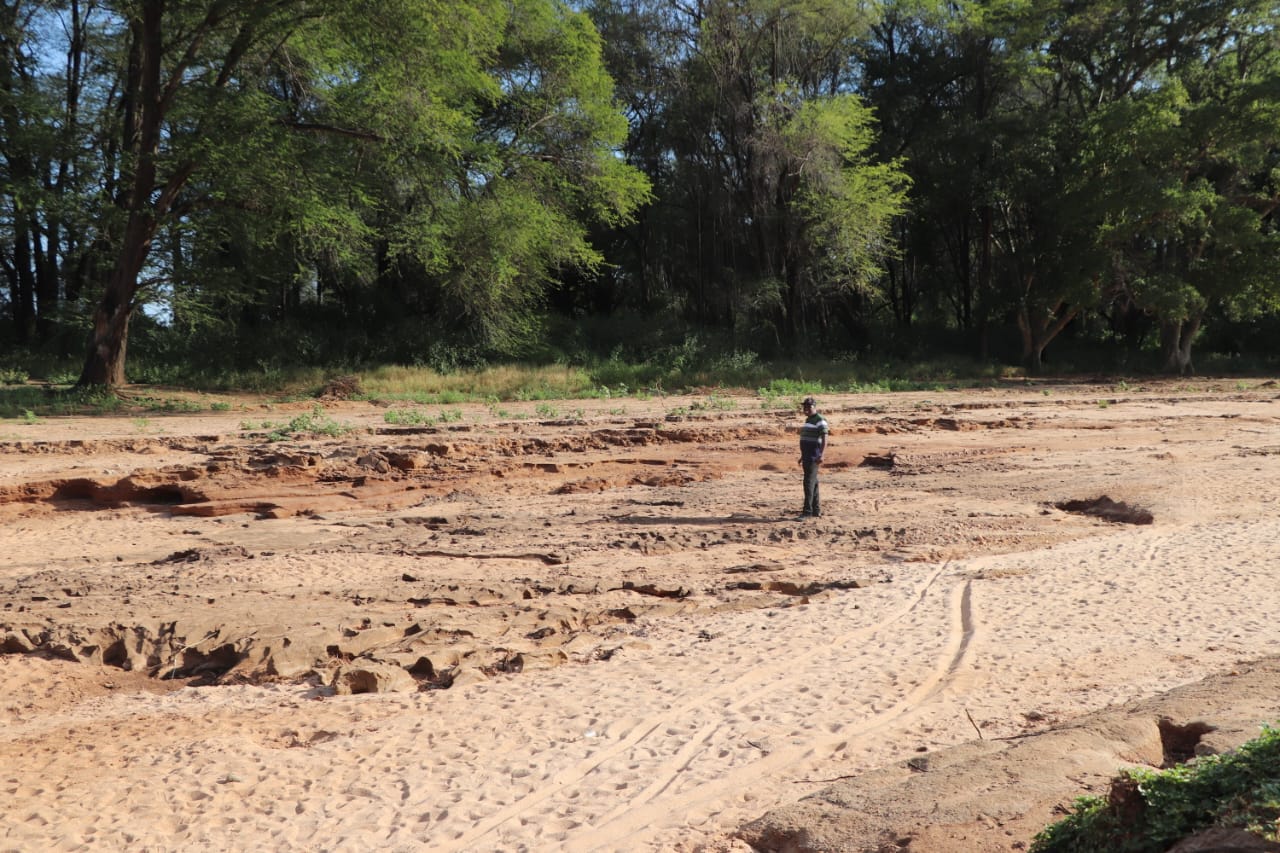
Beyond environmental concerns, women leaders say the social consequences of sand harvesting are becoming increasingly visible.
Peninah Mwanziu, PTA chairperson of Mwania Primary School, says school dropout rates have risen as children leave classrooms to earn money loading sand.
“From the year 2008, the numbers have always gone down, from 500 and now learners are about 300,” she said
She warns that the situation has contributed to rising cases of drug abuse, early pregnancies and family breakdowns.
The trend worries parents, especially mothers, who fear for the future of their children.
Human rights defender Peninah Munyoki of the Mwania Riparian Self-Help Group says the once peaceful community has been transformed by the booming sand trade.
She links the business to growing social problems, including teenage pregnancies and the spread of diseases.
“Most of the sand is gone. If nothing is done, the community will suffer even more,” she says.
The environmental toll is equally severe.
According to Kitui County Executive Committee Member for Environment, Climate Change and Natural Resources Richard John Mwendandu, uncontrolled sand harvesting has contributed to land degradation, biodiversity loss, poor agricultural productivity and severe soil erosion.
“We have made significant progress. We are now at the stage of registering sand transport vehicles, issuing licences and regulating extraction volumes,” he said
For women, these impacts are felt directly at household level through reduced food production, water shortages and shrinking sources of income.
NEMA County Director Catherine Atieno Adunga says only six sites in the greater Mwingi region currently hold approved Environmental Impact Assessment reports and valid licences.
As government agencies promise tougher regulation, women in Mwania are hoping action comes before the damage becomes irreversible.
For them, the crisis is no longer simply about environmental conservation. It is about survival, dignity and protecting the future of their families.