For many Kenyans, the work of a veterinarian begins and ends with treating sick animals. Yet behind every safe meal on the dining table, every healthy livestock enterprise, and every animal product exported to international markets lies a robust regulatory system that safeguards animal health, public health and the national economy.
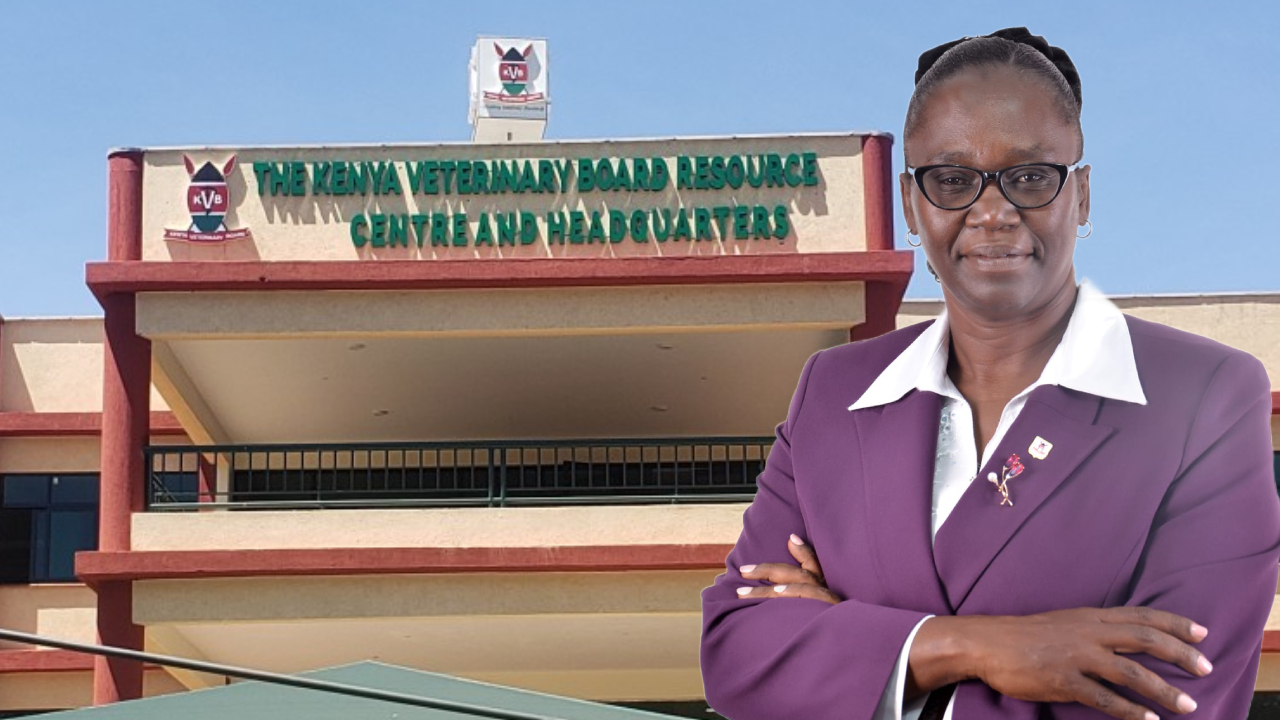
At the heart of this system is the Kenya Veterinary Board (KVB), the statutory regulator established under the Veterinary Surgeons and Veterinary Paraprofessionals Act, 2011, mandated to regulate veterinary education, training and professional practice in Kenya.

Over the past two years, the Board has undergone a remarkable transformation, embracing innovation, strengthening compliance and expanding its engagement with stakeholders. The result has been measurable improvements in professional regulation, service delivery and public confidence.
- Transforming compliance through engagement
Recognising that sustainable compliance is achieved through partnership rather than enforcement alone, the Board intensified stakeholder engagement across the country through continuous sensitisation forums, county visits, professional meetings and the widely acclaimed “Know the Board” initiative.
These engagements enhanced awareness of professional obligations under the VSVP Act and fostered stronger collaboration between the regulator and veterinary practitioners. The impact has been significant. Practitioner retention increased from 2,906 in 2024 to 9,013 in 2025, representing more than a three-fold growth. This achievement reflects growing confidence in the Board and a stronger culture of professional accountability.
- Increased Licensing for Quality Veterinary Services
Licensing remains one of the most important regulatory tools for ensuring that only qualified and competent professionals offer veterinary services.
During the period, licence uptake rose dramatically from 419 to 2,469, a nearly six-fold increase. This milestone demonstrates improved compliance among practitioners and reinforces public confidence that veterinary services are being delivered by duly licensed professionals.
Ultimately, this translates into better animal healthcare, improved disease surveillance and safer food of animal origin.
- Expanding Compliance and Inspections
The Board substantially strengthened field inspections of veterinary practices across the country.
Inspections increased from 497 to 1,840, enabling the Board to assess compliance with professional standards, licensing requirements, record management, medicine handling and ethical practice.
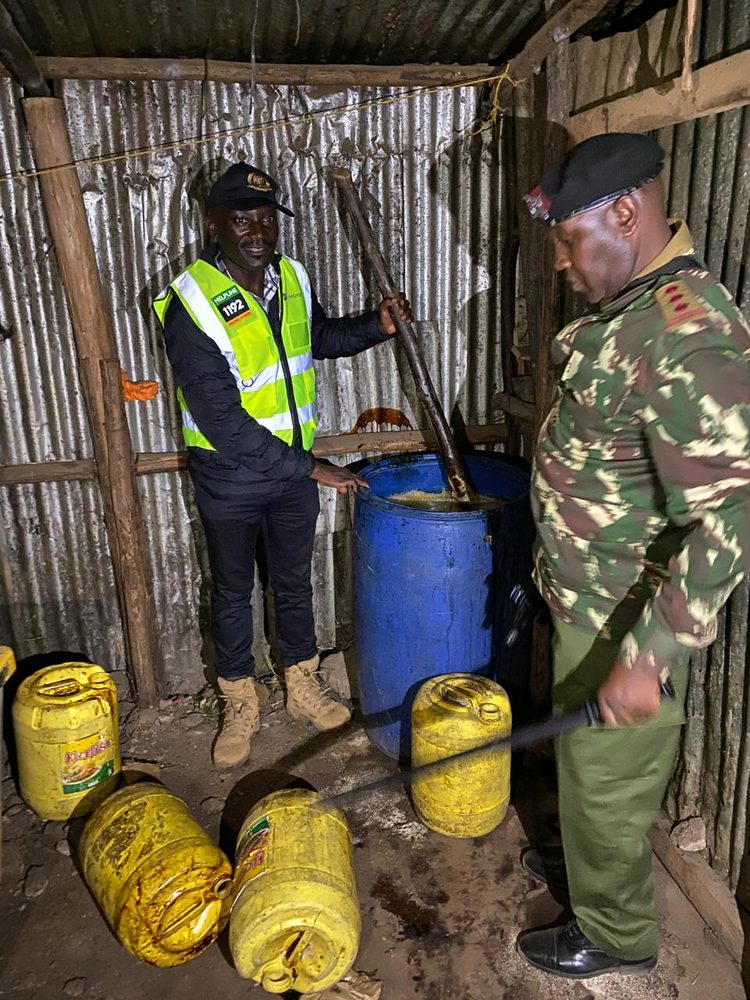
These inspections have improved service quality while ensuring that veterinary facilities operate within the framework established by law. The Board has also recorded immense conviction rates owing to better working relationship with the Police, Directorate of Criminal Investigations, Office of the Directorate of Public Prosecutions and Judiciary.
- Strengthening Enforcement
Regulation is effective only when supported by fair and consistent enforcement.
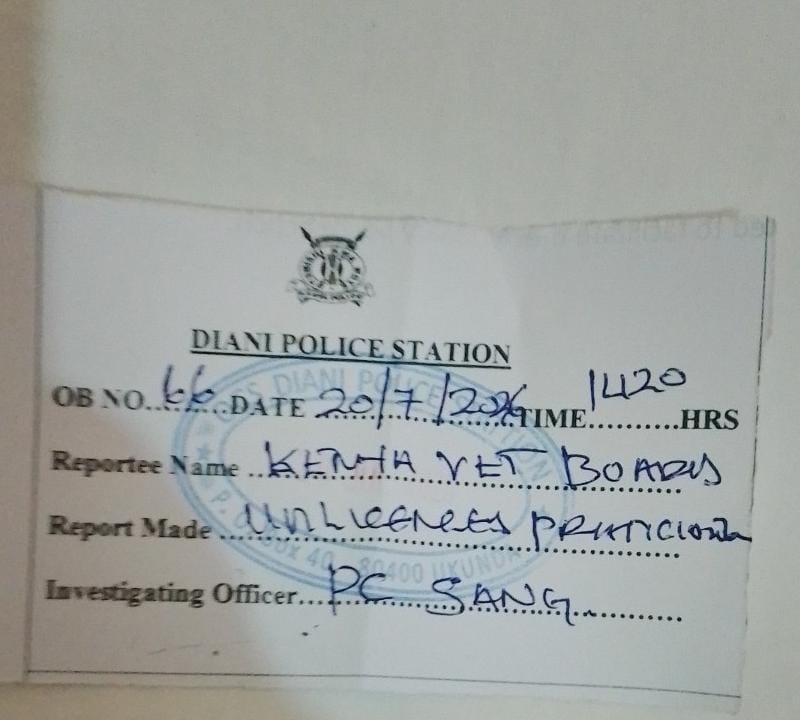
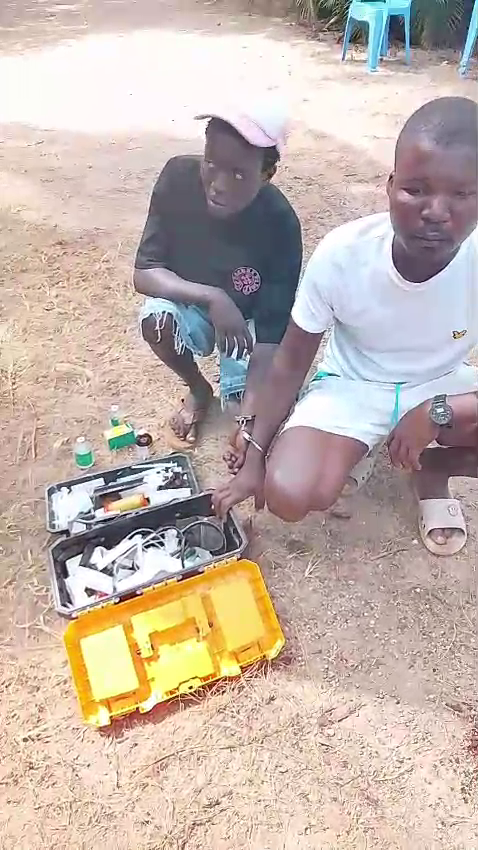
Following the implementation of the Decision to Charge Guidelines, 2019, the Board has recorded increased successful prosecutions of offenders operating contrary to the VSVP Act.
This has enhanced accountability, discouraged illegal practice and protected the public from unqualified individuals offering veterinary services.
The strengthened enforcement framework reinforces the principle that professional standards exist to protect both practitioners and the public. The capacity building of the inspectors to process suspects pursuant to Decision to Charge Guidelines has enhanced convictions.
- Digital Transformation Driving Efficiency
The Kenya Veterinary Board has continued to modernise its operations through the migration of key regulatory services onto digital platforms.
Digitisation has improved access to licensing services, reduced processing times, enhanced transparency and enabled more efficient monitoring of compliance across the country.
The integration of digital systems with enhanced enforcement mechanisms positions the Board to become a modern, responsive and data-driven regulator capable of meeting the evolving needs of Kenya’s livestock sector.
- Protecting Public Health
Beyond professional regulation, the Board plays a critical role in protecting public health.
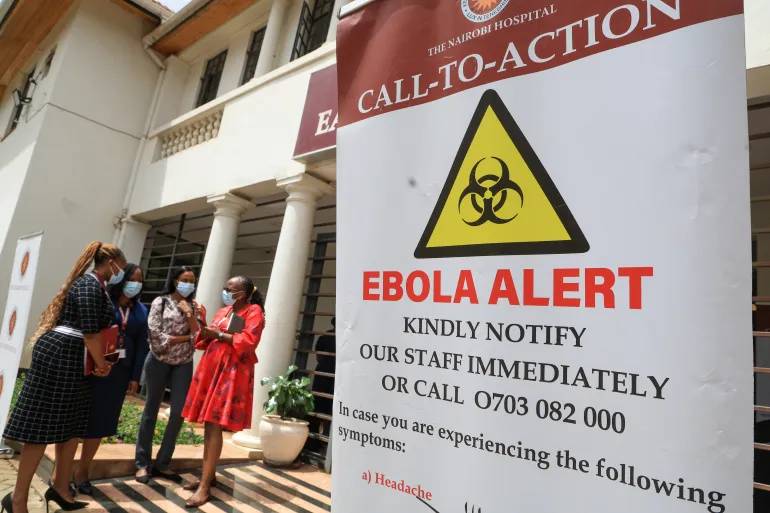
Qualified veterinary professionals contribute to disease surveillance, prevention and control of zoonotic diseases, meat inspection, food safety assurance, antimicrobial stewardship and emergency preparedness.
By ensuring that veterinary services are delivered by competent and licensed professionals, the Board directly supports safer food systems, healthier livestock and stronger national biosecurity.
- Supporting Kenya’s Economic Growth
Livestock contributes significantly to Kenya’s economy through employment, household incomes, trade and exports.
Strong veterinary regulation enhances investor confidence, facilitates market access and supports compliance with international sanitary and phytosanitary standards required for regional and global trade.
As Kenya seeks to expand its livestock exports and contribution to GDP from the current 12% to 20%, the role of the Kenya Veterinary Board continues to grow in importance.
The Kenya Veterinary Board remains committed to strengthening professional standards, embracing innovation and fostering collaboration with all stakeholders.
With continued digital transformation, enhanced compliance, stronger enforcement and sustained stakeholder engagement, the Board is laying a solid foundation for a modern veterinary profession that supports animal welfare, safeguards public health and contributes to Kenya’s economic prosperity.