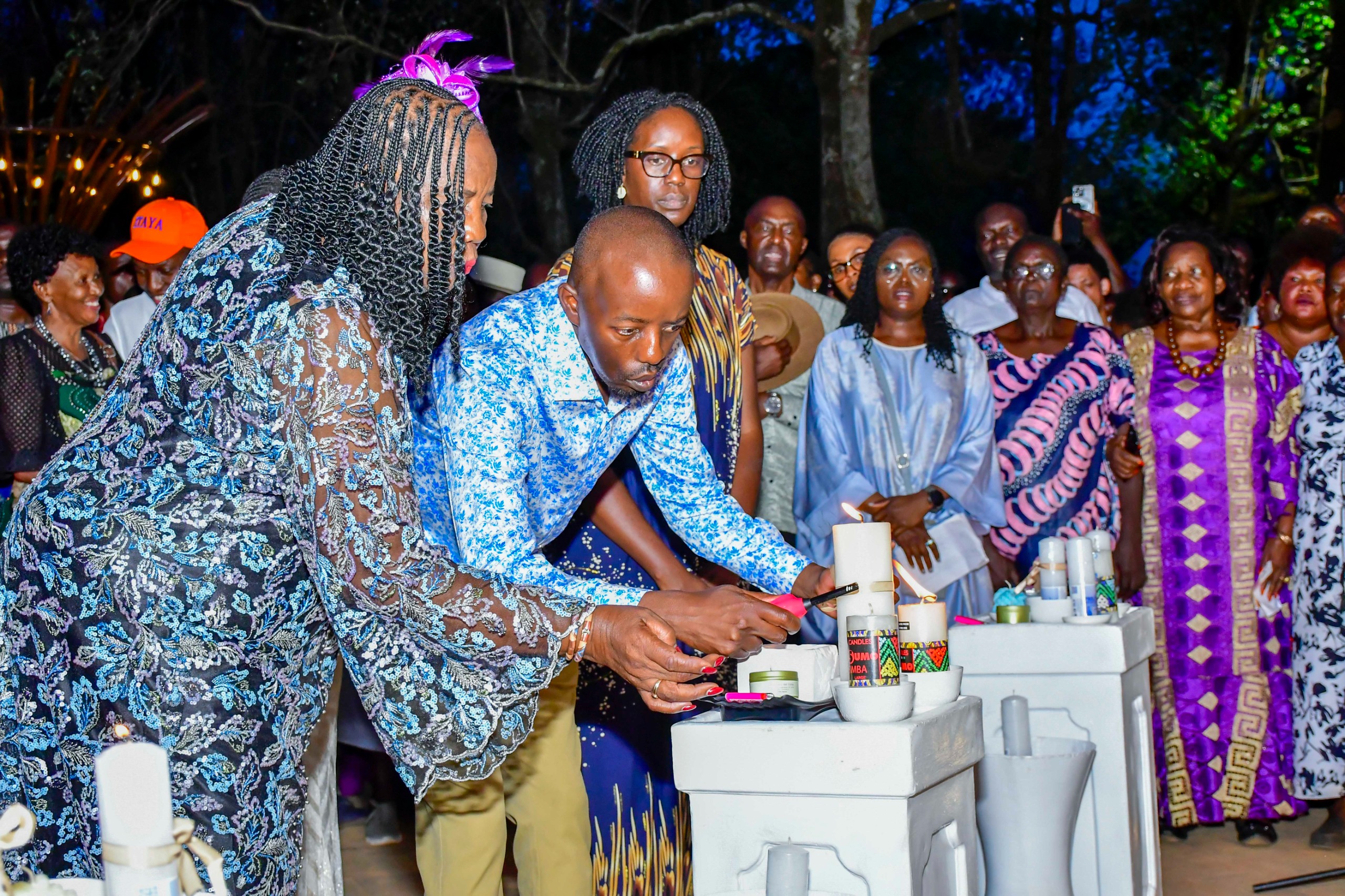

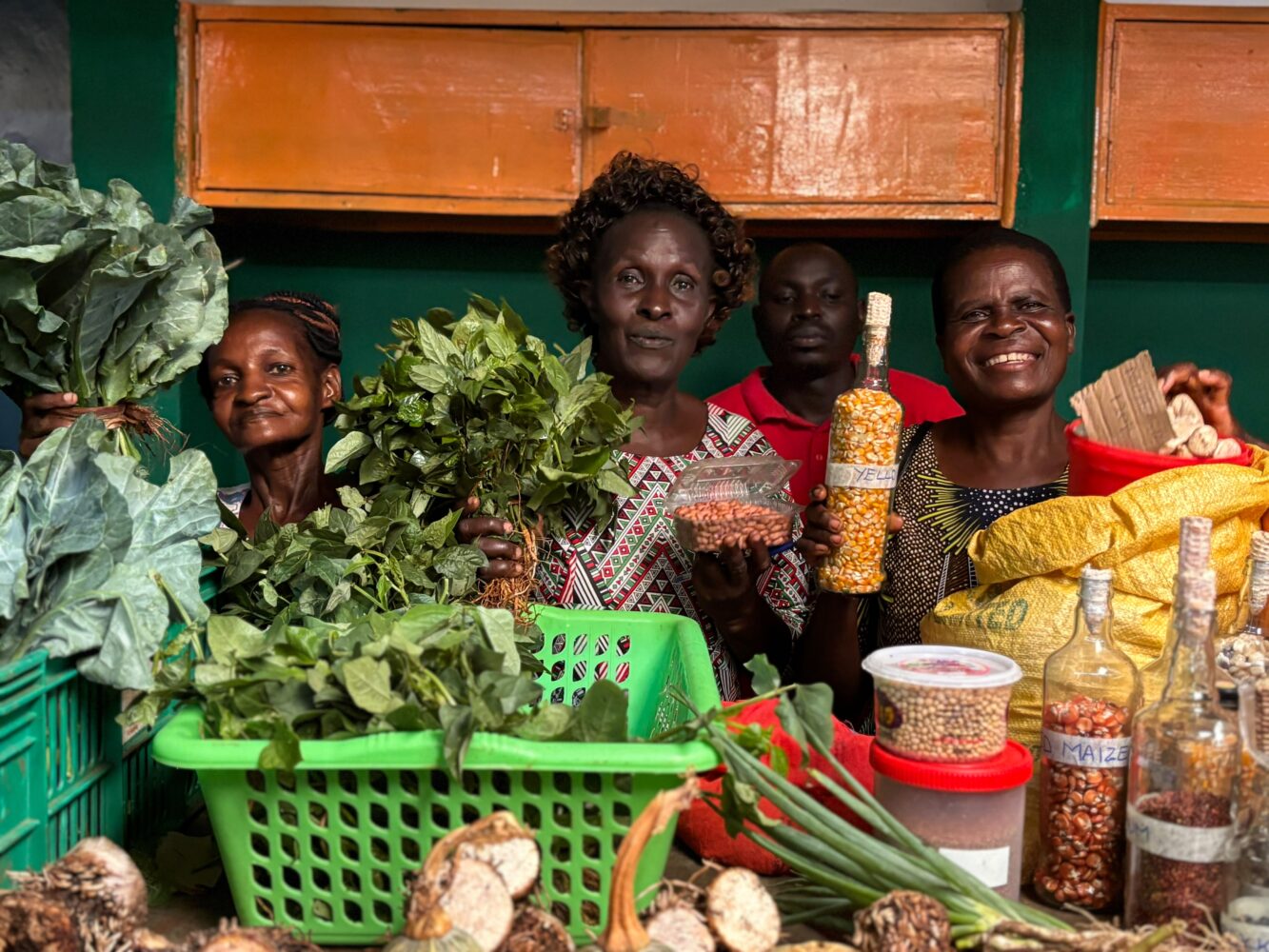
A new organic market has been launched in Busia to boost cross-border trade in Agroecological produce between Kenya and Uganda, while expanding access to chemical-free foods and creating new market opportunities for small-scale farmers.
The market, located at Soko Mawe near the Kenya-Uganda border, is expected to provide farmers practicing Agroecology with a dedicated space to sell their produce, strengthen trade links between the two countries and improve access to markets for consumers seeking organically produced foods.
The initiative brings together the Participatory Ecological Land Use Management (PELUM) Kenya, the Alliance for Food Sovereignty in Africa (AFSA) and the Busia County Government in efforts to promote sustainable agriculture and strengthen the marketing of Agroecological products.
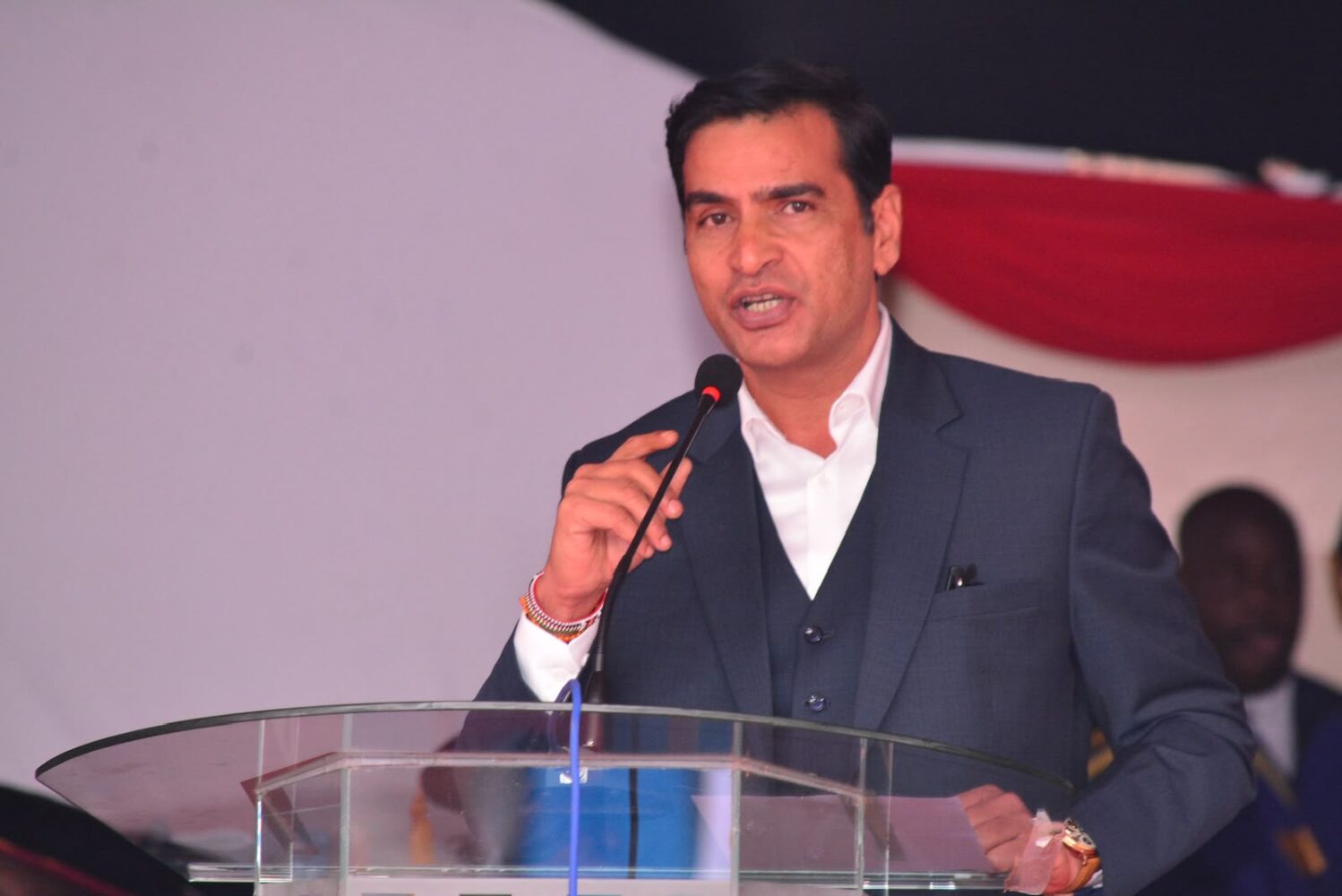
Speaking during the launch, Victor Miriongo, a farmer from Kimaeti Farmers Association, said the market would give farmers an opportunity to sell their produce locally and across the border without struggling to find buyers.
He said the association brings together more than 20 farmer groups with a combined membership of over 10,000 farmers who practice Agroecology and produce food without relying on synthetic pesticides and other chemical inputs.
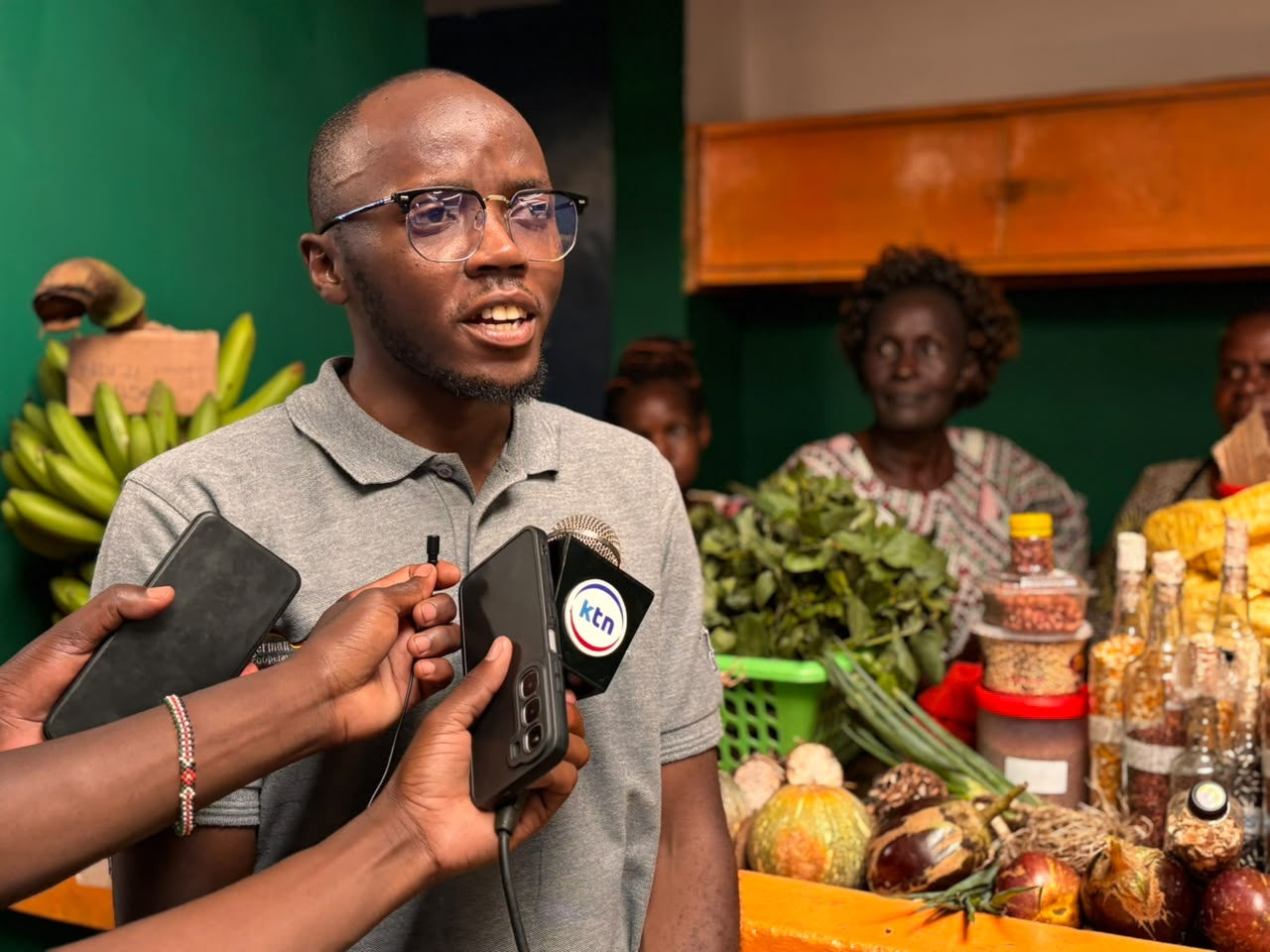
“For us, we decided to engage in Agroecology so that we produce pure foods free from chemicals and protect our people from diseases associated with the use of synthetic pesticides. With the launch of this organic market, our farmers will get a market for their products without struggling,” he said.
Miriongo said farmers under the association grow a variety of crops, including eggplant, cowpeas, kales, spring onions, moringa, soybeans and yellow maize, providing a diverse range of produce for consumers.
He added that some farmers are also producing organic fertilizer to supply nutrients to crops, reducing dependence on synthetic farm inputs and supporting more sustainable production systems.
Miriongo urged residents of Busia and neighbouring areas to visit the market and purchase Agroecological produce, saying increased consumer demand would help farmers sustain their farming activities and improve their incomes.
Michael Maloba, the Busia County deputy director for trade and industry, said farmers practicing Agroecology had previously faced difficulties accessing markets because they lacked a dedicated place to sell their produce.
He said the county government has allocated space at Soko Mawe to help address the challenge and create an avenue through which farmers and traders could connect with customers on both sides of the border.
“The Busia County Government decided to allocate this market space at Soko Mawe, at the border of Kenya and Uganda, to boost Agroecological cross-border trade between the two countries,” Maloba said.
He added that the market is intended to strengthen business activities around the border while giving consumers an opportunity to identify and purchase Agroecological produce alongside conventionally produced foods.
Maloba said the county government is also exploring ways to address challenges related to value addition, which has limited the ability of some farmers to process their produce and access more lucrative markets.
He added that currently the county government is establishing industrial parks and other programmes that would help farmers aggregate their produce, undertake processing and develop finished products for local and external markets.
“We have plans to support our farmers to come up with finished products so that they get to the market with final products,” he said.
He noted that value addition would enable farmers to move beyond selling raw agricultural produce and create opportunities for direct exports, potentially increasing earnings and strengthening the competitiveness of locally produced goods.
Amos Okora, an officer from PELUM, said the organization was championing Agroecological farming among an estimated 1.5 million farmers through its work with farmer groups and county governments.
He said partnerships with county administrations are important in promoting sustainable farming practices and creating market systems that could support farmers beyond production.
Okora described the Busia organic market as a strategic intervention to improve access to Agroecological products for traders operating between Kenya and Uganda, as well as travellers and other consumers passing through the border to destinations in the region.
“This market is one of the key strategies in ensuring that products from those trading from Uganda and those transiting to other countries through the Busia border get an opportunity to access chemical-free products from this market,” he said.