
Health officials in Bungoma County have raised alarm over a worrying rise in non-communicable diseases (NCDs) with hypertension cases surpassing 40,000 and sickle cell patients reaching 1,400, prompting calls for urgent intervention and increased public awareness.
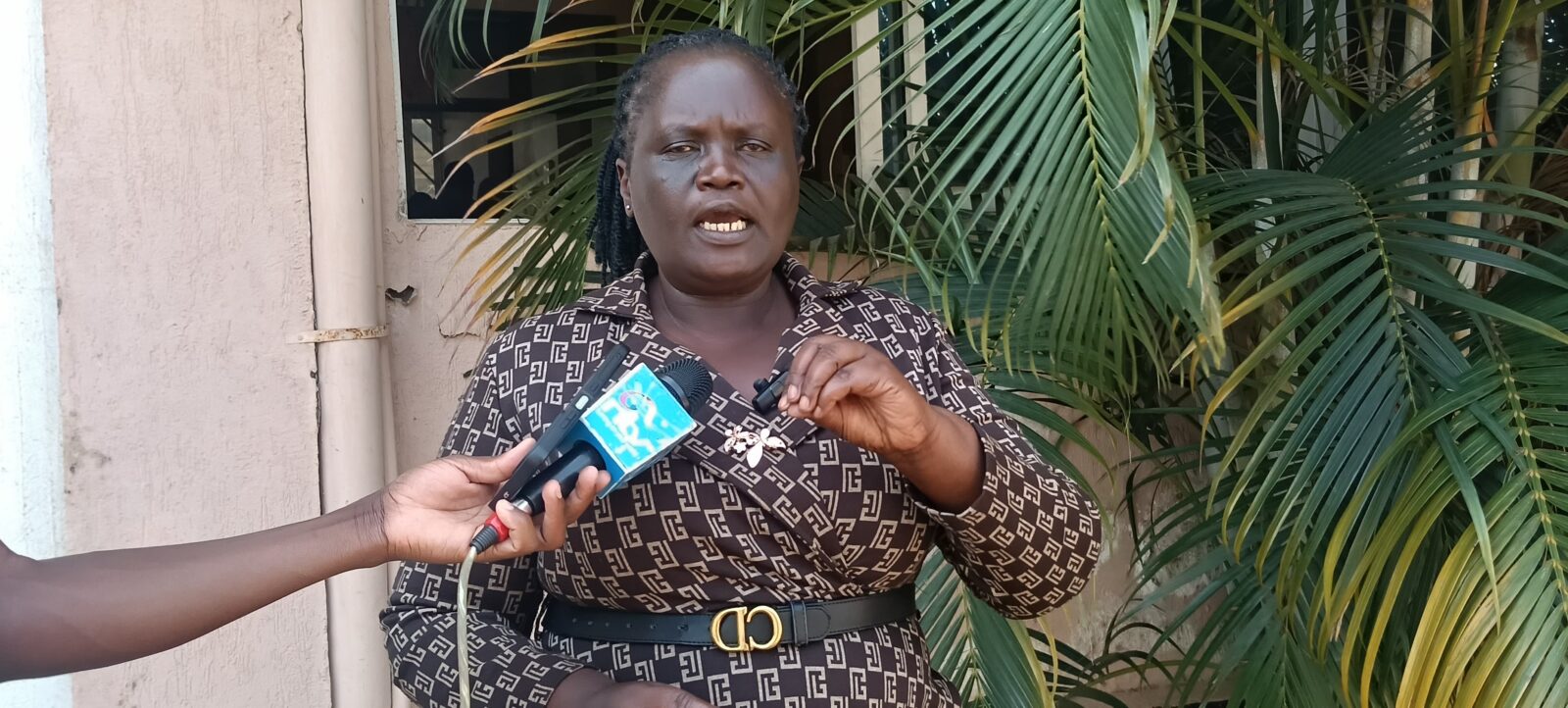
Addressing the media in Bungoma, the County Non-Communicable Diseases Coordinator, Rose Mogoi, said the region is grappling with a growing burden of chronic illnesses.
She revealed that apart from hypertension at least 16,000 residents are living with diabetes while several sub-counties continue to report sickle cell disease cases.
She identified Bumula, Kanduyi, Sirisia, Webuye West, Webuye East and Tongaren as some of the areas in Bungoma with a higher prevalence of sickle cell cases.
“For sickle cell, we have around 1,400 people living with the condition in Bungoma. As far as intervention is concerned we are carrying out screening starting from the community level,” she said.
Mogoi noted that community health promoters (CHPs) have taken a leading role in screening residents for hypertension and diabetes by checking blood pressure and sugar levels at the household level.
Suspected cases are then referred to Level three health facilities for confirmation and subsequent management.
“The CHPs are actively screening households for hypertension and diabetes. For sickle cell they identify affected families and refer them for diagnosis to determine their sickle cell status,” she explained.
Beyond screening, she noted that the county has intensified advocacy and public education campaigns targeting risk factors associated with non-communicable diseases.
Mogoi said efforts are focused on promoting healthy lifestyles, including weight management, proper nutrition and discouraging harmful practices such as tobacco farming and consumption.
She emphasized the need for residents to embrace preventive healthcare measures, noting that early detection and lifestyle changes remain key in reducing the growing burden of NCDs in the county.
However, Mogoi said that they are using sickle cell warriors in the communities to advance awareness.
Dr. Dickens Lubanga, a pediatrician at Bungoma Childrens Hospital (bch) says sickle cell disease (SCD) occurs when a child inherits a defect gene from both parents causing the patient’s red blood cells to be sickle shaped hence making it an inherited disease.
Lubanga said that when one inherits a defect gene from one parent they are healthy and said to be ‘carriers’ of the disease.
“It is therefore important for couples to go and get tested if they have sickle cell trait before planning for a family,” the expert said.
However, Lubanga noted that the number of sickle cell patients visiting the clinic has gone up over the years, “If people took this sickle cell test seriously then the number of children with the disease will go down,”
Lubanga added that sickle cell disease has proven to be one of the most expensive diseases to treat and manage, asking the government to come in and make its medication available to the patients.
“This menace can only be handled if we have national conversations on how counties and national governments can work towards supporting sickle cell testing and treatment,” Lubanga noted.