Treasury Cabinet Secretary John Mbadi has revealed that the 2026/2027 budget was prepared using zero-based budgeting for the first time, marking a significant shift from the previous incremental budgeting approach where allocations were simply built on top of previous years’ figures.
“We prepared the 2026/2027 budget using zero-based budgeting, where every expenditure was justified before being captured,” Mbadi said.
The Treasury CS acknowledged that the full potential of the approach will take about three years to fully actualise.
“For us to actualize full potential of zero-base budgeting, it will take about three years. This is the first year of implementation. There are still challenges, but I am happy that largely we prepared our budget based on zero-based budgeting,” he noted.
Mbadi said the energy sector’s budget was reduced to Ksh 35 billion after a review found that many projects could fund themselves.
He said such projects can instead be implemented through the National Infrastructure Fund and Public-Private Partnerships (PPPs).
Mbadi said a budgeting tool has already been developed and distributed to state departments to support the zero-based approach, though it is still being tested and refined.
“In the next financial year, it will be better, and the third financial year it should be perfect,” he said.
On the question of supplementary budgets, Mbadi said proper planning, not reactive budgeting, is the long-term goal.
He pointed out that Kenya currently has laws governing public finance management, procurement, and asset management, but no law on national planning, a gap he said the government intends to fill this year through a dedicated Planning Bill.
CS Mbadi said last year’s budget came close to not requiring a supplementary budget at all, were it not for external disruptions including the war in the Middle East and revenue underperformance by the Kenya Revenue Authority.
One supplementary budget was done, and a possible second is being considered to align donor-funded projects rather than to add new expenditure.
“In the next two or so years, in the event there is no disruption, we should not have any supplementary budget at all, because that is the ideal. That is what good planning is all about,” Mbadi concluded.
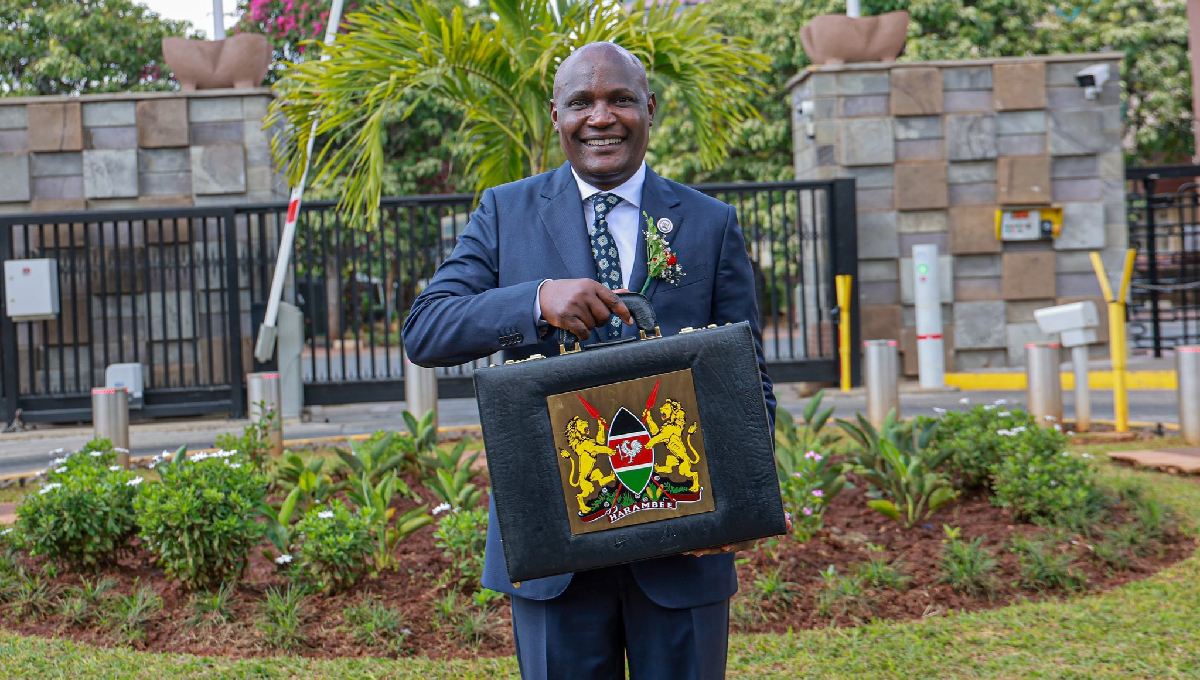
CS Mbadi is set to read the 2026/27 budget today, 11th June, in Parliament at 3 p.m.