
For Isaac John Logova, a computer was once a distant piece of technology he knew little about.
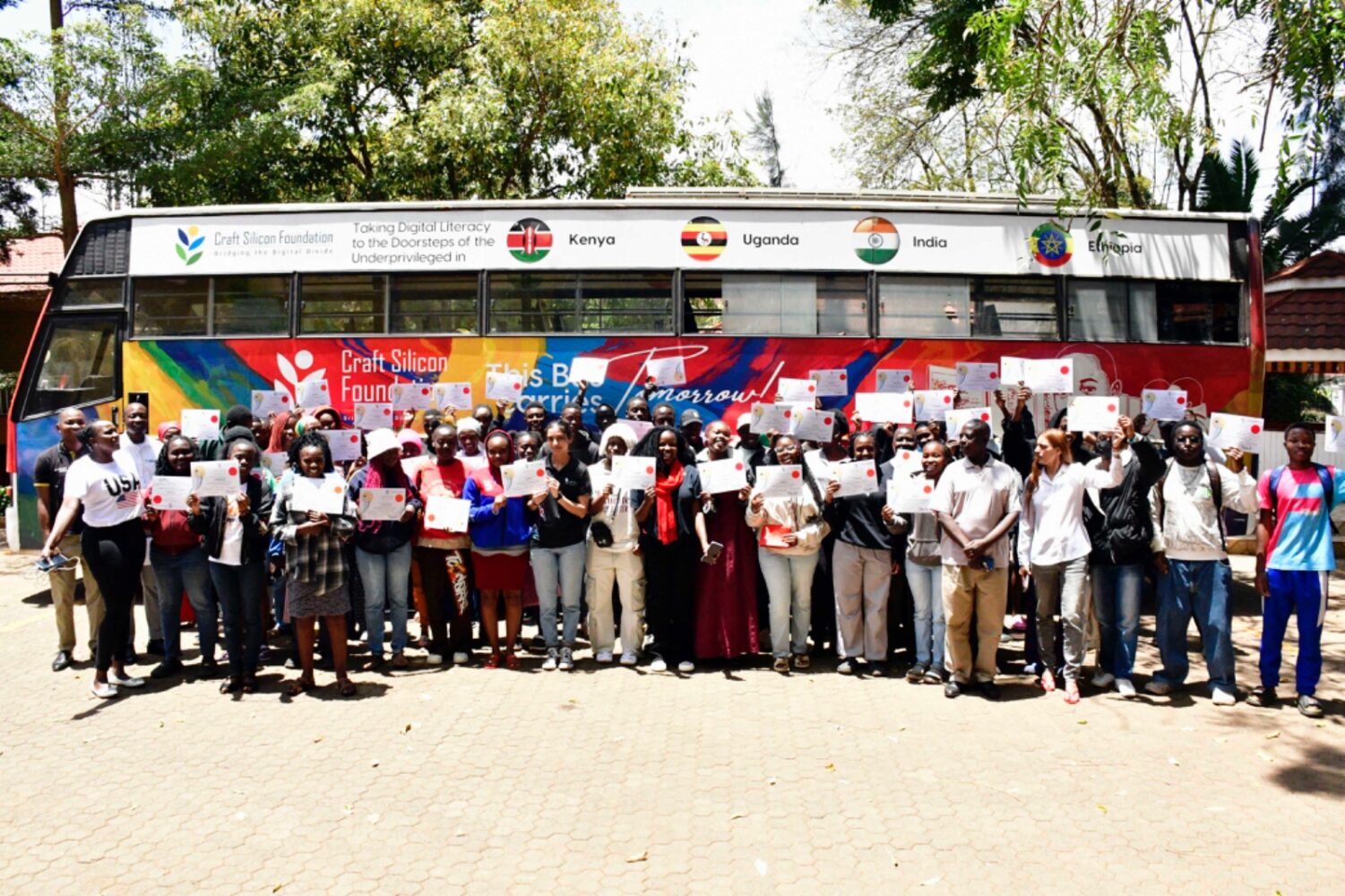
His curiosity changed when he came across a mobile ICT lab operated by the Craft Silicon Foundation, bringing digital lessons to communities that would otherwise struggle to access computer training.
“I was eager to know what was in that bus,” Logova recalls.
He reached out to a teacher and soon enrolled in the foundation’s three-month digital literacy programme.
What followed was a journey from what he describes as almost zero computer knowledge to confidence in using computers, the internet, Microsoft Office applications and basic networking.
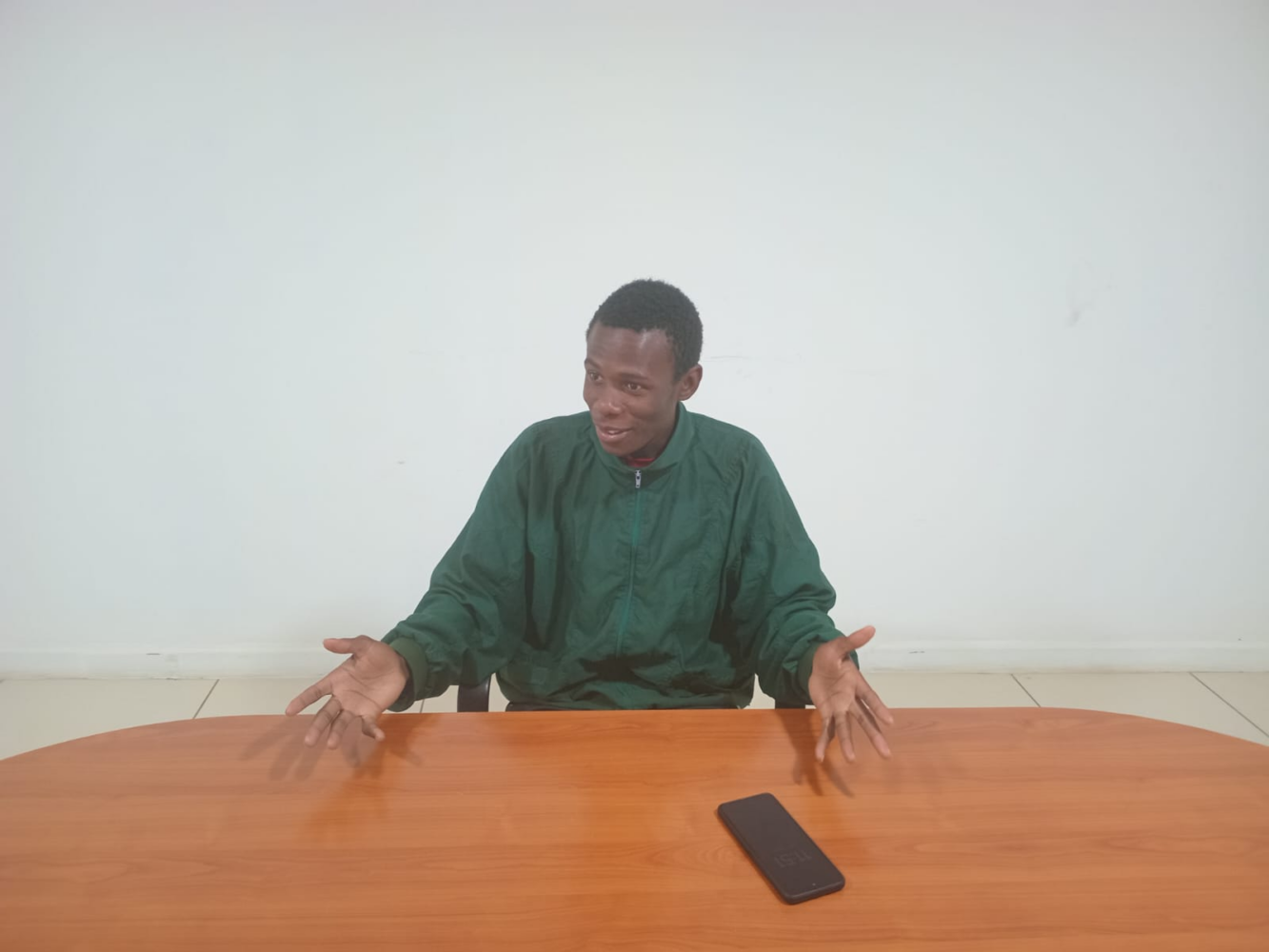
“When I came to Craft Silicon, I was similar to zero. But now, anything in a computer, I can do something,” he says.
Logova, who is also a football player and pianist, now hopes to use the skills to explore opportunities in freelancing while continuing his education.
His story mirrors that of many young people who have passed through the programme, including Natasha Maraga, who says she had barely interacted with a computer before joining the training.
A secondary school graduate, Maraga says she initially viewed computers as something reserved for people with greater access to education and technology.
“I did not even know how to operate a computer,” she says.
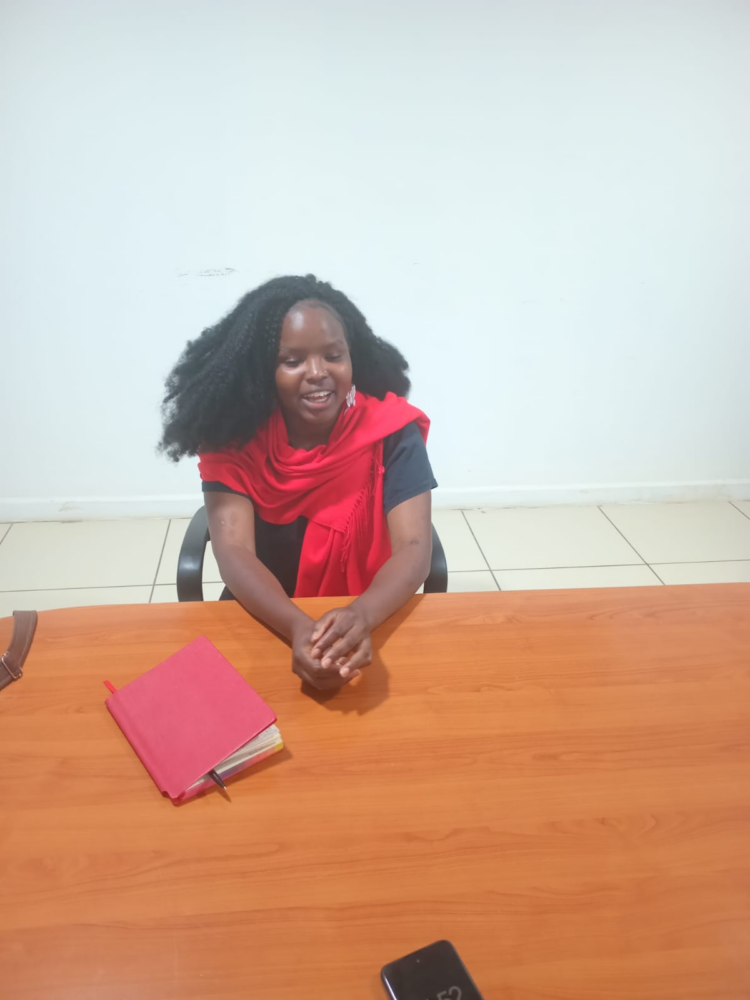
She learnt basic computer operations over three months and now hopes to build on the skills as she pursues her ambition of becoming an accountant.
For both beneficiaries, access was the first hurdle.
Rather than requiring learners to travel to a fixed training centre, the foundation takes its classroom to communities through a mobile ICT laboratory fitted with computers, internet connectivity and solar power.
The approach was born out of the personal experiences of its founder, Priya Budhabhatti.
Budhabhatti says she grew up in circumstances where accessing education was difficult, with transport costs sometimes competing with school fees.
Those experiences inspired the foundation’s mobile model, which she describes as “education on wheels.”
The mobile classroom has 30 computers, with two students sharing a computer, and follows a fixed weekly schedule across different communities.
Each day has three sessions, with about 50 students attending each session.
The three-month course starts with basic computer literacy before progressing to areas such as networking, internet use, Microsoft Office and cybersecurity fundamentals.
For some learners, the first lesson is simply learning what a computer is.
“Some of the students have never even seen what a computer looks like,” Budhabhatti says.
The programme targets young people facing barriers to formal education, including school dropouts and those affected by difficult social circumstances.
The foundation says it works with local administrators to identify people who cannot afford conventional training.
Since its establishment in 2010, the foundation says it has trained more than 8,400 students in Nairobi, with additional beneficiaries in Uganda, Ethiopia and India.
But the journey does not end with graduation.
Selected students are enrolled at the foundation’s knowledge centre for more advanced training, including programming and website development.
The foundation also says it follows up with graduates to establish whether they have secured employment or started businesses.
For Budhabhatti, the ultimate goal is to ensure that a lack of access to technology does not determine a young person’s future.
The foundation currently operates one mobile ICT bus in Nairobi, a limitation that has created a waiting list of prospective learners.
Simian Budhabhatti, AI Consultant at Craft Silicon Group says additional buses would allow the programme to reach thousands more young people.
The foundation also plans to expand its reach across Kenya and has introduced training in artificial intelligence as technology changes the skills required in the workplace.