
The High Court has declined to suspend the implementation of the cooperation agreement between the National Government and Nairobi County, opting instead to fast-track the hearing of two constitutional petitions challenging the deal.
In a ruling delivered on Monday, April 20, the court directed that the petitions be heard expeditiously through written submissions, setting the stage for a substantive determination in the coming weeks.
The petitioners had also urged the court to determine a pending conservatory application seeking to suspend the agreement. However, after hearing arguments from both sides, the court declined to issue interim orders halting implementation and instead directed that the matter proceed directly to hearing.
Parties that had not filed their responses were granted seven days to comply, followed by seven days for the petitioners to file submissions and a further seven days for the respondents to respond. The court scheduled the highlighting of submissions for May 28, 2026, at 10:30 a.m.
Development projects triggered
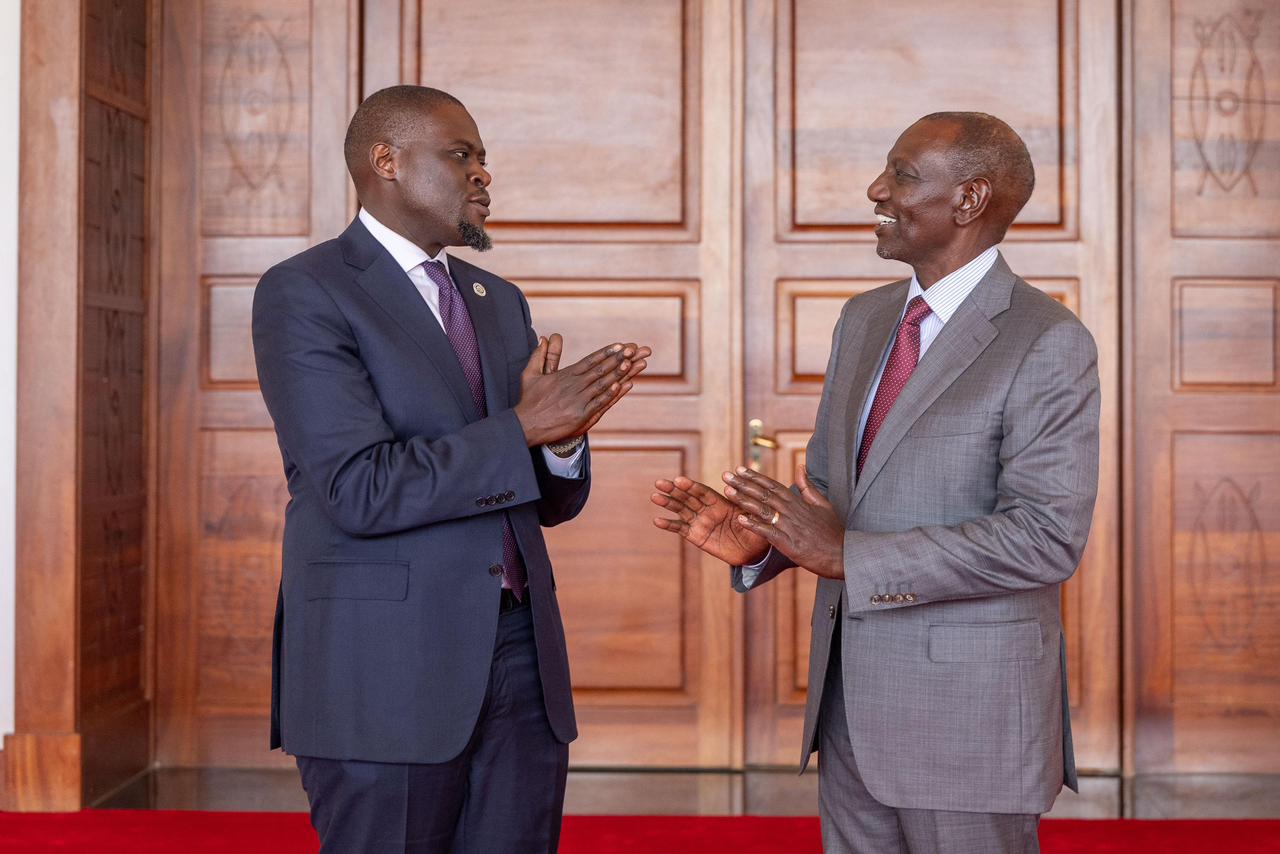
As the legal process unfolds, the cooperation agreement between President William Ruto and Nairobi Governor Johnson Sakaja has already triggered several development projects across the city.
Construction of the new Gikomba Market is currently underway and is expected to transform the area from its current state of temporary structures, muddy pathways, and congestion into a modern, organized trading hub. The project promises improved infrastructure, better layout, and enhanced movement for both traders and customers.
Speaking during the groundbreaking ceremony last week, Governor Sakaja said the market would significantly improve business operations and customer experience.
“You elected me to protect your interests. This new market is a game changer—it is modern, organized, and will improve business operations and customer experience. In six months, the story will begin to change,” he said.
Meanwhile, the reclamation of the Kibagare River is ongoing, with plans to establish a public park at the Westgate area by the end of the year. Similar projects are also expected at Globe Roundabout and Kamukunji Grounds.
The cooperation is also driving the regeneration of the Nairobi River, including the construction of a 54-kilometre sewer line designed to enhance drainage capacity for the next 50 years.
Additionally, the pact includes the construction and maintenance of close to 300 kilometres of roads, installation of approximately 100,000 floodlights across estates and highways.
Both President Ruto and Governor Sakaja have maintained that the cooperation framework is anchored in law, including provisions of the Urban Areas and Cities Act, which allows collaboration between the national and county governments to enhance service delivery.
With the court declining to halt its implementation, the Ruto–Sakaja pact remains in force as the legal challenge proceeds toward determination.