

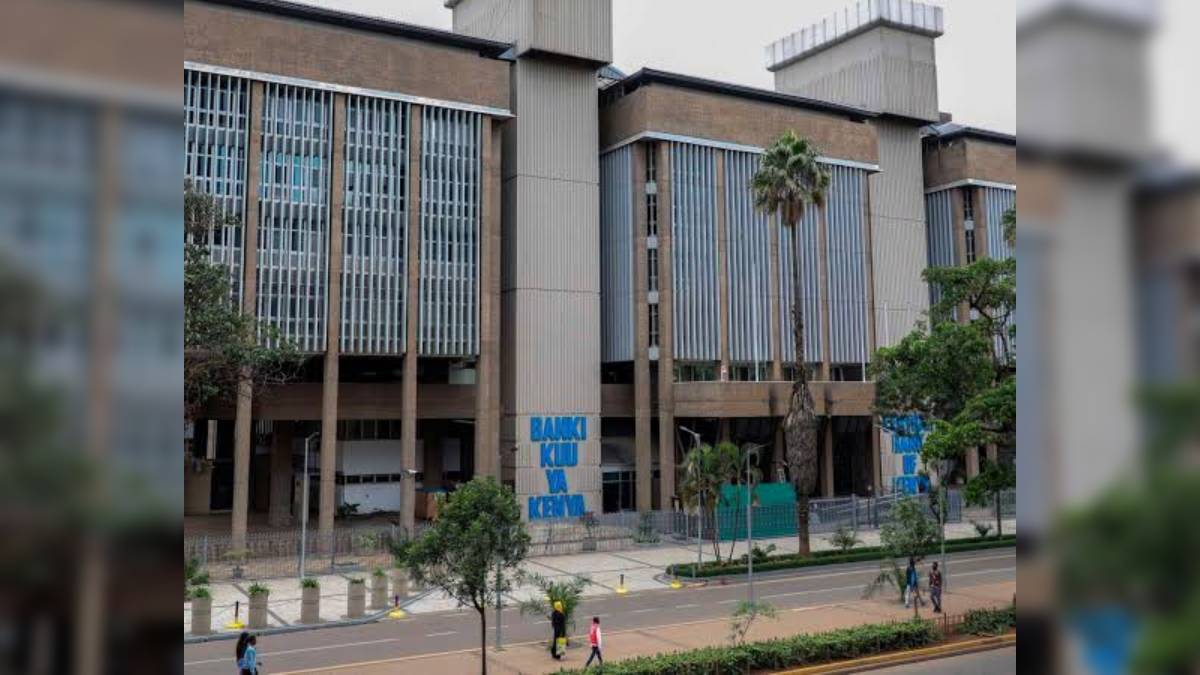
Kenyans are paying more for everyday goods again, and the Central Bank of Kenya (CBK) has decided to hold its policy rate rather than act.
The latest figures show prices rising even as the economy grows faster than forecast and the shilling holds its ground.
Overall inflation rose to 6.8% in September 2026 from 6.6% in August 2026, according to the CBK. Some economic commentators have described this trend as the highest reading since 2024.
The push came mainly from underlying price pressures. Core inflation, which excludes volatile food and energy prices, rose to 4.0% from 3.4%, largely because processed food items became more expensive. In practice, that means the cost of packaged and prepared foods in the shops is creeping up.
The CBK stays put
On 7 October, 2026, the Monetary Policy Committee, chaired by Governor Dr Kamau Thugge, kept the Central Bank Rate at 8.75%, saying inflation remained within the official target range.
It is the eighth straight month the rate has been held, and the CBK cited shocks from the Middle East conflict as a source of pressure.
For borrowers, the message is that loans are unlikely to get cheaper soon. The committee’s view is that the current stance is enough to keep inflation expectations stable while supporting economic activity.
There is encouraging news. The CBK raised its 2026 growth projection to 5% from 4.9%, pointing to stronger industry and services. That compares with 4.6% growth in 2025. The bank cautioned, however, that volatility in global oil prices remains a risk.
The currency has been calm, which helps limit the cost of imported goods. The shilling traded at KSh129.71 to the US dollar on 1 October, compared with KSh129.48 on 24 September. The CBK’s latest bulletin says it remained stable against major currencies in the week ending 8 October. Foreign exchange reserves also give some cushion. One report puts them at US$14.93 billion on 1 October, enough for 6.1 months of imports.
Rain could ease food costs
Food is where relief could come first.
The CBK expects above-average rainfall between October and December, and says this could bring food prices down. If the rains deliver good harvests and cheaper produce, household budgets would feel it quickly. If they disappoint, the pressure on prices could last longer.
Investors continue to line up to lend to the Treasury. At the 8 October Treasury bill auction, bids totalled KSh75.4 billion against KSh28.0 billion on offer, a performance rate of 269.3%.
That signals confidence in government paper. Reports also note that average Eurobond yields rose by 22.28 basis points in the week ending 1 October, a reminder that borrowing costs for the country are still being watched closely.
What to watch
The picture is mixed. Prices are rising, borrowing costs are holding firm, and global oil and conflict risks have not gone away. Against that, growth is being revised upward, the shilling is steady and the rains may help.
The next inflation release from the Kenya National Bureau of Statistics will show whether September’s rise was a blip or the start of a trend.
Until then, households should expect food and fuel to remain the main pressure points, and anyone with a loan should not count on lower repayments in the near term.