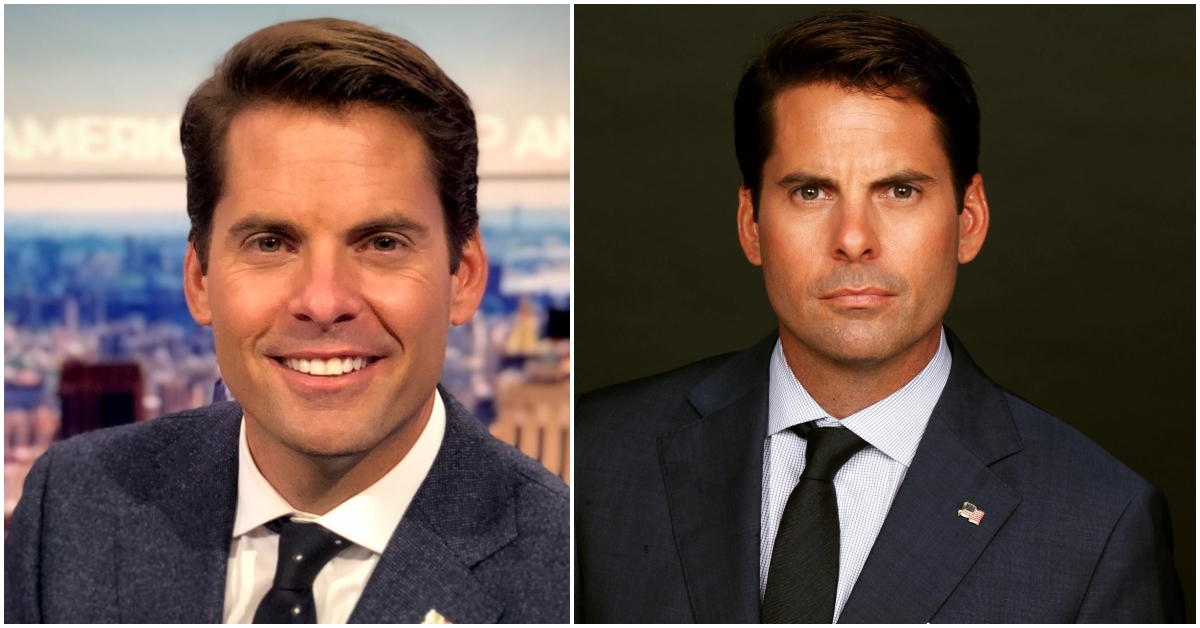

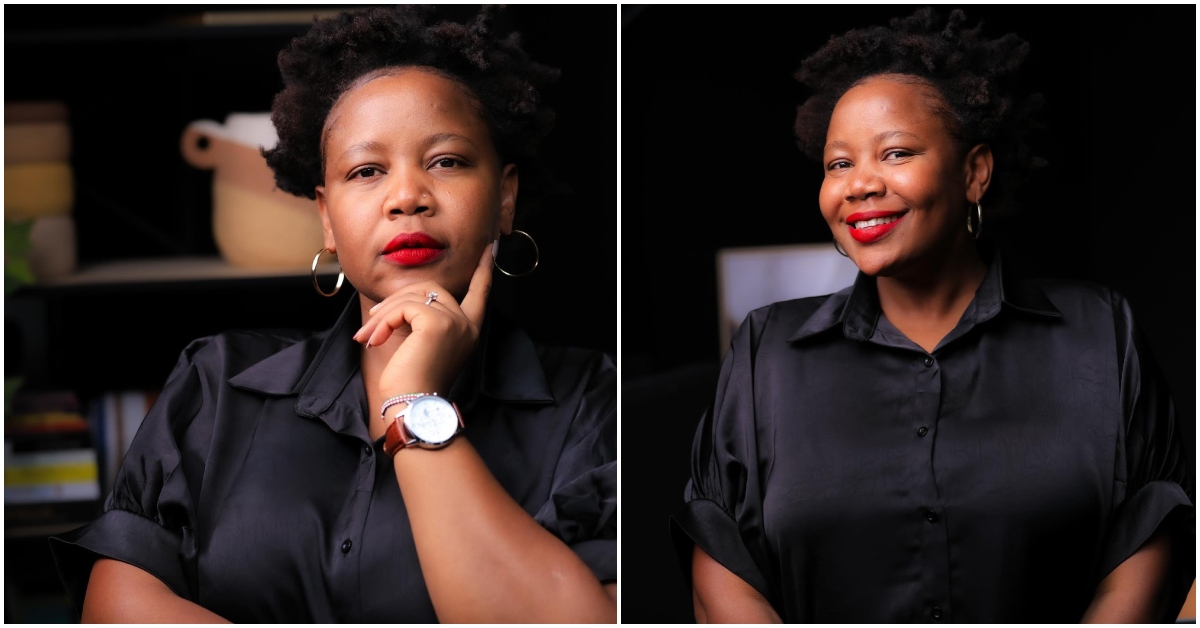
Media Personality Lynn Ngugi has rejected the apology of Rob Finnerty apology to Nairobi residents, accusing the US journalist of expressing regret only after Kenyans called him out over his controversial comparison of Nairobi to New York City.
Kenyan journalist and media personality Lynn Ngugi has launched a scathing response to American television host Rob Finnerty, questioning the sincerity of his apology following the backlash over his remarks about Nairobi.
In a strongly worded statement shared on Tuesday, October 13, 2026, Ngugi challenged the Newsmax presenter to reflect on the thinking behind his comments, arguing that his apology came only after Kenyans publicly challenged him.

Ngugi questioned whether Finnerty had developed any genuine respect for Kenyans and Africans, suggesting that without the public outcry, he might never have reconsidered his remarks.
“You’re pathetic, and your apology is just as pathetic. Let’s not pretend you’ve suddenly developed some respect for Kenyans or Africans,” Ngugi said.
Her response added another powerful voice to the growing criticism of Finnerty, whose comments during a discussion about immigration in the United States had angered many Kenyans.
‘You’re Apologising Because Kenyans Dragged You’
Ngugi argued that Finnerty’s apology was driven by the public reaction rather than genuine regret over the words he had used.
She maintained that had Kenyans remained silent, the presenter might have continued with his work without considering the impact of his comparison.
“You’re apologising because Kenyans dragged you for your ignorance, and had nobody called you out, you’d have gone about your business without thinking twice about what you said,” she said.

For Ngugi, the controversy went beyond an apology. She challenged the circumstances that led to it, questioning whether Finnerty understood why his remarks had offended people in Nairobi and across Kenya.
Her comments reflected the frustration of critics who felt the capital had been unfairly used as a negative example during a discussion about America’s own urban challenges.
Why Did Finnerty Bring Nairobi Into America’s Immigration Debate?
Ngugi also took issue with the decision to invoke Nairobi while discussing immigration and conditions in American cities.
She argued that the Kenyan capital had been dragged into a debate about problems in the United States, despite having no direct connection to the specific immigration issues Finnerty was discussing.
“You were discussing immigration in America, a country with enough problems of its own and lots of rats, but somehow Nairobi became your example of everything wrong with a city. What the hell does Nairobi have to do with your immigration problems?” she said.

Her pointed question captured the central grievance behind much of the backlash: why was Nairobi being used as a negative comparison in a conversation about American immigration?
The remarks also reignited debate about how African cities are portrayed in international media and whether they are too readily invoked as shorthand for urban decline or disorder.
‘That’s How Deeply Ingrained This Ignorance Is’
Ngugi said what particularly angered her was the casual manner in which Finnerty made the comparison.
She suggested that the ease with which he invoked Nairobi pointed to a deeper problem in how some people perceive African cities and communities.
“What annoys me even more is how casually you said it. That’s how deeply ingrained this ignorance is,” she said.
Rather than viewing the controversy as a simple verbal slip, Ngugi challenged Finnerty to examine the assumptions behind his choice of words.
Her criticism placed the focus not only on the apology itself but also on the broader question of how Africa is represented when international commentators discuss immigration, public order and urban life.
‘You’re Not Sorry You Said It, Rob’
Ngugi remained unsparing as she questioned whether Finnerty regretted making the remarks or merely regretted the consequences after they attracted public attention.
“You’re not sorry you said it, Rob. You’re sorry we heard you, understood exactly what you meant and refused to let you get away with it,” she said.
The statement directly challenged the sincerity of Finnerty’s apology, presenting it as a response to public pressure rather than proof that he had reconsidered his original comments.

Finnerty had apologised to the people of Nairobi, acknowledging that he had misspoken and expressing regret to anyone he had offended.
“I want to offer an apology to the people of Nairobi, Kenya. The passion you have for your city and homeland is amazing… We all make mistakes. I misspoke, and I am sorry to anyone I have offended,” he wrote.
However, his apology has not ended the debate, with Ngugi among those who continue to question the remarks and the thinking behind them.
Lynn Ngugi’s Final Message to Rob Finnerty
In her closing remarks, Ngugi dismissed the apology and called on Finnerty to confront what she described as the prejudices behind his comments.
“Keep your apology. What you need is to unlearn the garbage that made you think saying something like that was acceptable in the first place. WANTAM!!” she said.
Her response delivered a blunt message: an apology alone, in her view, was not enough without a willingness to examine the assumptions that had led to the controversy.

The exchange has brought renewed attention to the way Nairobi is discussed on international television, with the debate extending beyond Finnerty’s choice of words to questions of dignity, representation and accountability.
While Finnerty has acknowledged that he misspoke, Ngugi’s response makes clear that she remains unconvinced by his explanation.
For her, the issue is not simply whether the presenter has said sorry, but whether he understands why his remarks provoked such a strong reaction in the first place.