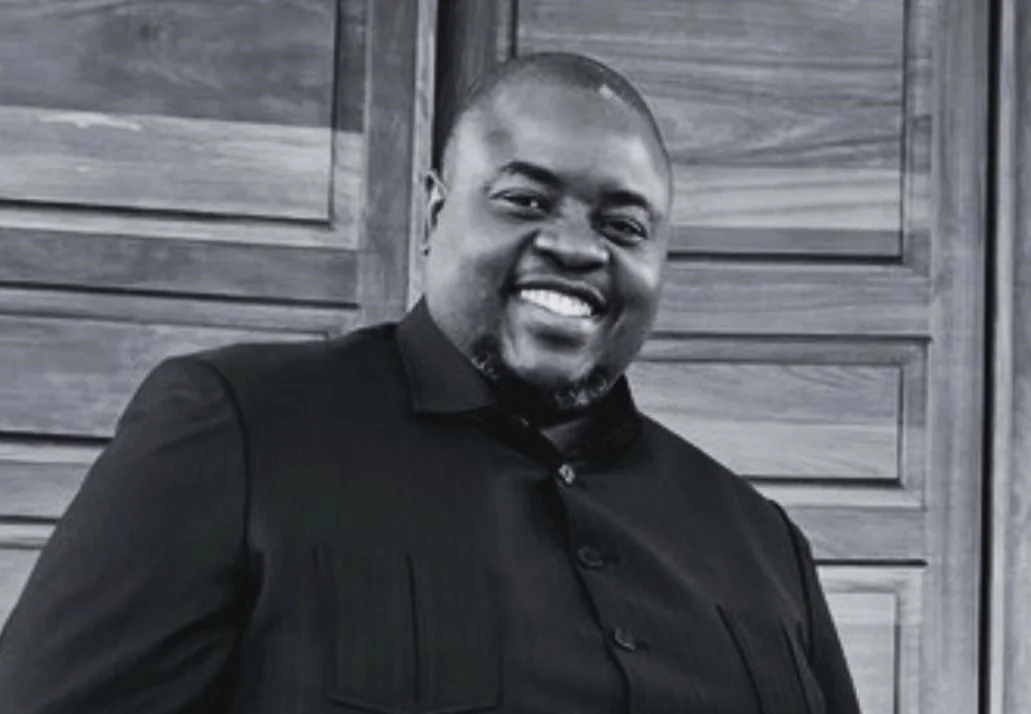

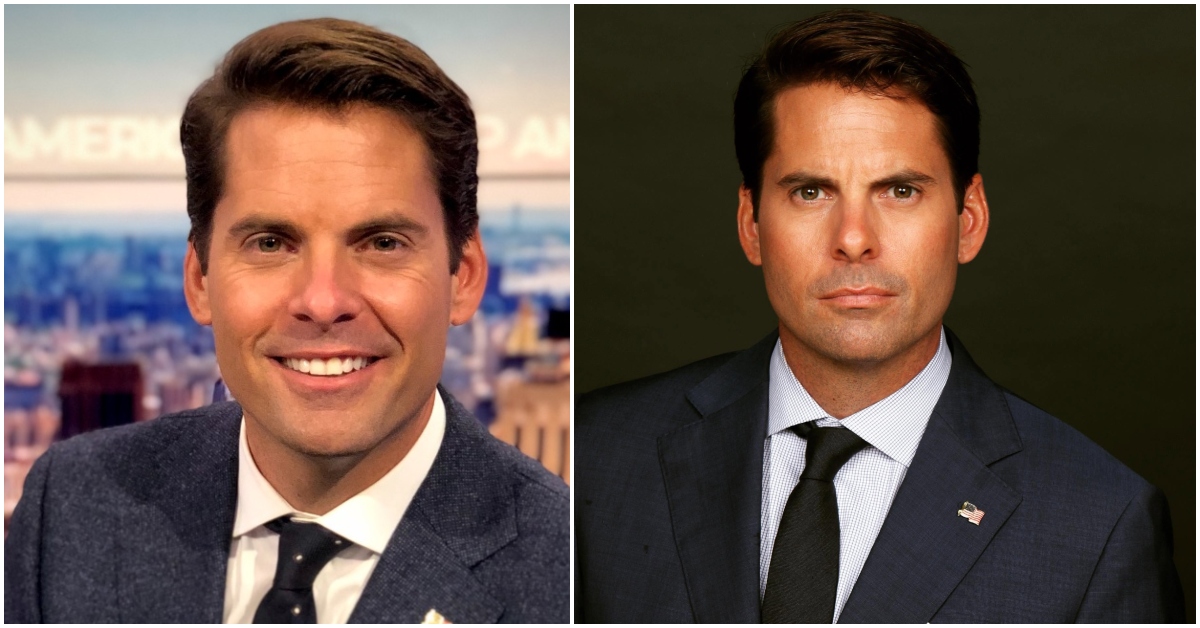
US television host Rob Finnerty has apologised to Kenyans after sparking outrage over remarks suggesting that some American cities were beginning to resemble Nairobi amid changing immigration patterns.
The Newsmax presenter faced criticism after comparing New York City to the Kenyan capital during a discussion about immigration, with many Kenyans objecting to Nairobi being invoked as a negative example in a debate about disorder and changing urban conditions.
The backlash prompted Finnerty to address the controversy publicly, acknowledging that his remarks had offended people and expressing regret over his choice of words.

In an apology posted on social media on Tuesday, October 13, Finnerty recognized the passion Nairobi residents have for their city and homeland.
“I want to offer an apology to the people of Nairobi, Kenya. The passion you have [for] your city and homeland is amazing… We all make mistakes. I misspoke, and I am sorry to anyone I have offended,” he wrote.
His apology came as Kenyans pushed back against what they viewed as an unfair portrayal of their capital, a city whose name had been drawn into a heated debate about immigration and conditions in major American cities.
The Nairobi Remark That Sparked Outrage
The controversy erupted during a Newsmax segment in which Finnerty discussed immigration, street conditions and delivery workers in New York City.
During the broadcast, the host argued that immigration from developing countries under former US President Joe Biden had changed the character of some American cities.
“They move to blue sanctuary cities, and the cities then start to look more like Nairobi than New York City,” Finnerty said.

He also argued that the media was not adequately covering the changes he described, drawing comparisons between developments in the United States and those in the United Kingdom and France.
However, it was his reference to Nairobi that drew particular attention from Kenyan audiences, many of whom questioned why their capital had been used as a negative point of comparison.
Why Kenyans Took Issue With The Comparison
For critics, the issue was not simply that Nairobi had been mentioned on American television. It was the context in which the city was invoked as a comparison in a discussion portraying immigration as a force behind deteriorating urban conditions.
Kenyans questioned the fairness of using Nairobi in that way, particularly when the segment featured interviews with people who identified themselves as being from countries including Guatemala, Bangladesh, Burkina Faso, Senegal, Mexico and Guinea.
None of the individuals shown in the supplied clip identified themselves as being from Kenya or Nairobi.

That detail fuelled questions about why Nairobi had been singled out in a discussion centred on immigration from several other countries.
The reaction highlighted the sensitivity surrounding how African cities are represented in international media, especially when their names are used to illustrate problems or reinforce negative perceptions.
Rob Finnerty Had Apologized Earlier
Tuesday’s statement was not Finnerty’s first response to the criticism.
On October 12, the journalist had issued a shorter apology, writing: “Hey, I hear you loud and clear… I apologise, and I will try to do better!”
His subsequent message went further by directly addressing the people of Nairobi, acknowledging their attachment to their city and expressing regret for his remarks.
While the apology acknowledged the offence caused, the controversy also raised a broader question about the language used to describe cities and communities in discussions about immigration.
For many Kenyans, the objection was straightforward: Nairobi should not be casually reduced to a negative comparison in a debate about another country’s challenges.
Finnerty has now apologised, but the episode has renewed scrutiny of how international broadcasters frame African cities when discussing immigration, urban change and public order.