
The International Policy Group (IPG) has called for a fact-based national debate on the proposed $16 billion Dangote East Africa Petroleum Refinery in Lamu.
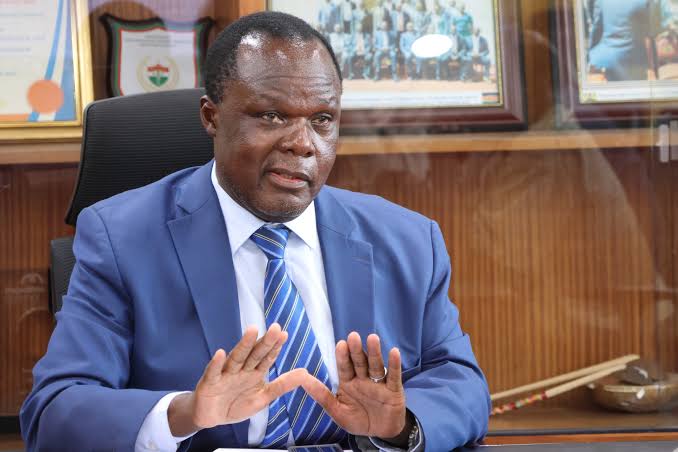
Speaking during a media briefing in Nairobi, IPG Chief Executive Officer Dr Kenneth Orengo said the project presents a major opportunity to transform Kenya’s industrial and energy landscape but also carries significant financial, governance, environmental and regional risks.
“Public discussion on strategic investments of the scale of the Lamu refinery must be anchored in verifiable facts, credible evidence and informed analysis rather than political interests, speculation or sensationalism.” Said Orengo.
Orengo further said the project, could help revitalise the LAPSSET corridor, expand trade across a regional market of and strengthen Kenya’s position in the regional transport and energy corridors.
He however called for a national conversation that is beyond political positions to discuss how Kenya can reap the economic benefits of the project while protecting the public interest.
“Kenya must however manage complex structural risks, including sovereign equity exposure, debt ceilings, consumer protection, environmental concerns and regional security,” he said.
While urging the government to strengthen its governance capacity by engaging civil society organisations, think tanks, industry experts and other stakeholders in the development process, Orenngo also challenged the civil society to contribute constructive analysis, independent research and evidence-based recommendations.
“Their responsibility should not be limited to holding governments accountable or supporting government initiatives , they should provide both positive and negative criticism grounded in reliable information, independent research, and evidence-based analysis,” he said.
Speaking during the forum, Principal Secretary for Industrialisation Juma Mukhwana defended the proposed refinery, describing it as a major investment that could accelerate manufacturing, industrialisation and job creation in Kenya.
“The project presents an opportunity for Kenya and the wider African continent by stimulating industries linked to refining and expanding the country’s industrial capacity.” Said Mukhwana.
The PS said the refinery should be viewed alongside other planned and ongoing investments along the coast and elsewhere in the country.
Mukhwana acknowledged that the refinery project carried risks but said he did not consider them insurmountable.
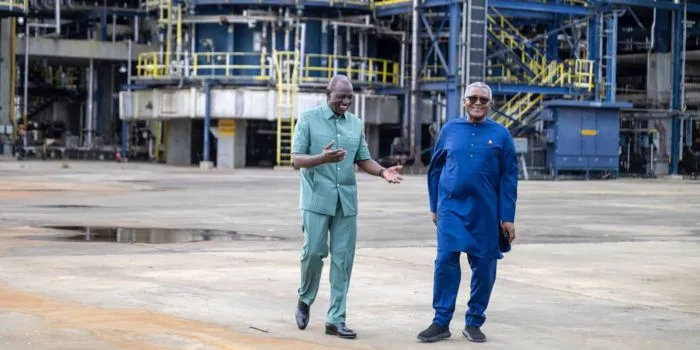
The KSh2.2 trillion project launched in September is designed to process up to 700,000 barrels of crude oil per day and create about 60,000 direct and indirect jobs.