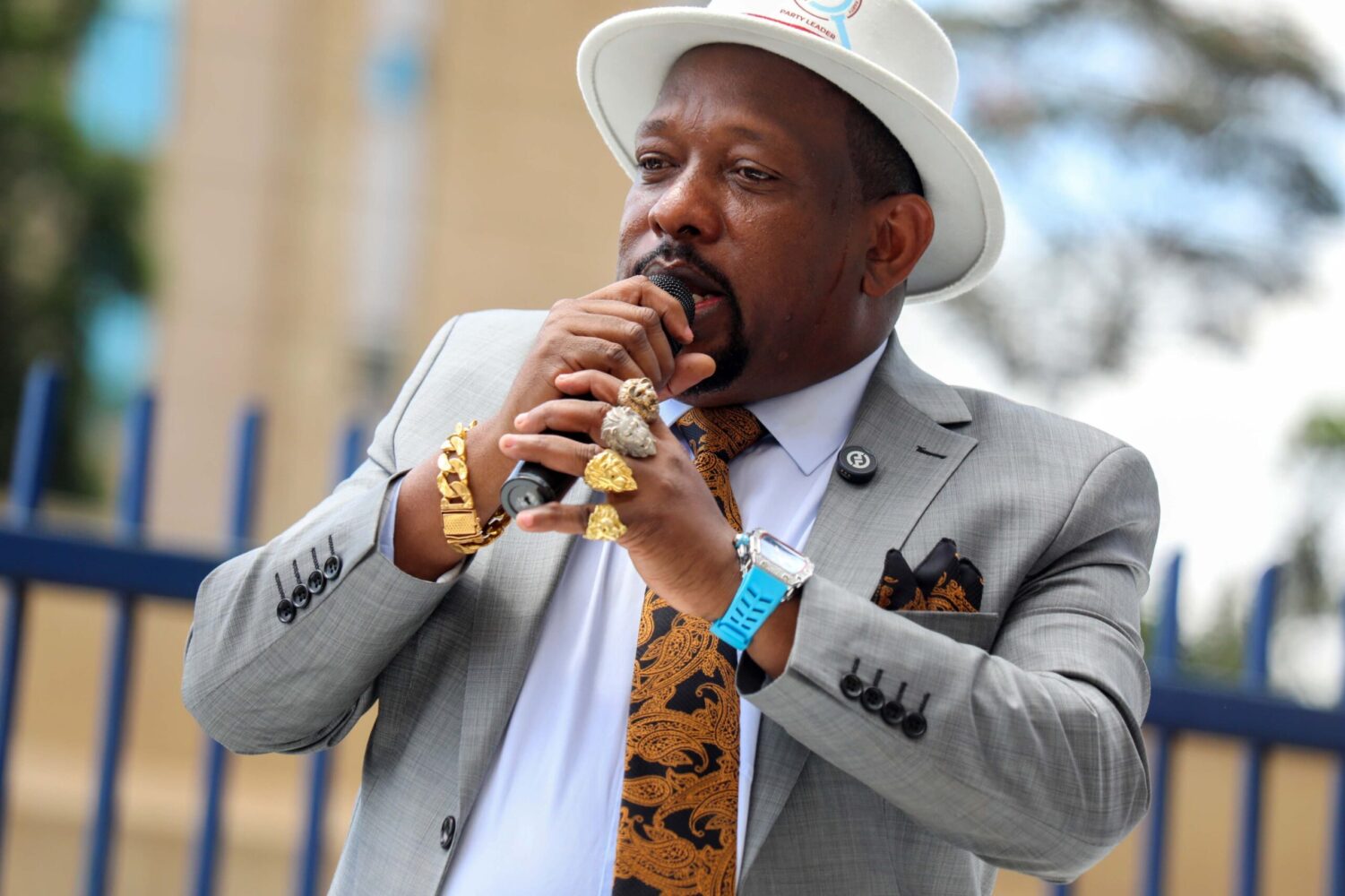
The Kenya Copyright Board (KECOBO) has intensified its nationwide campaign to safeguard the country’s creative industry, using a grassroots sensitization drive in Siaya County to rally support for a legislative overhaul aimed at curbing digital intellectual theft.
The outreach comes as KECOBO aggressively pushes for the enactment of the Copyright Bill 2026, a new legislative framework designed to replace the current Copyright Act. The proposed law seeks to introduce stringent regulations to protect intellectual property in the fast-evolving online environment and significantly expand the powers of the Copyright Tribunal.
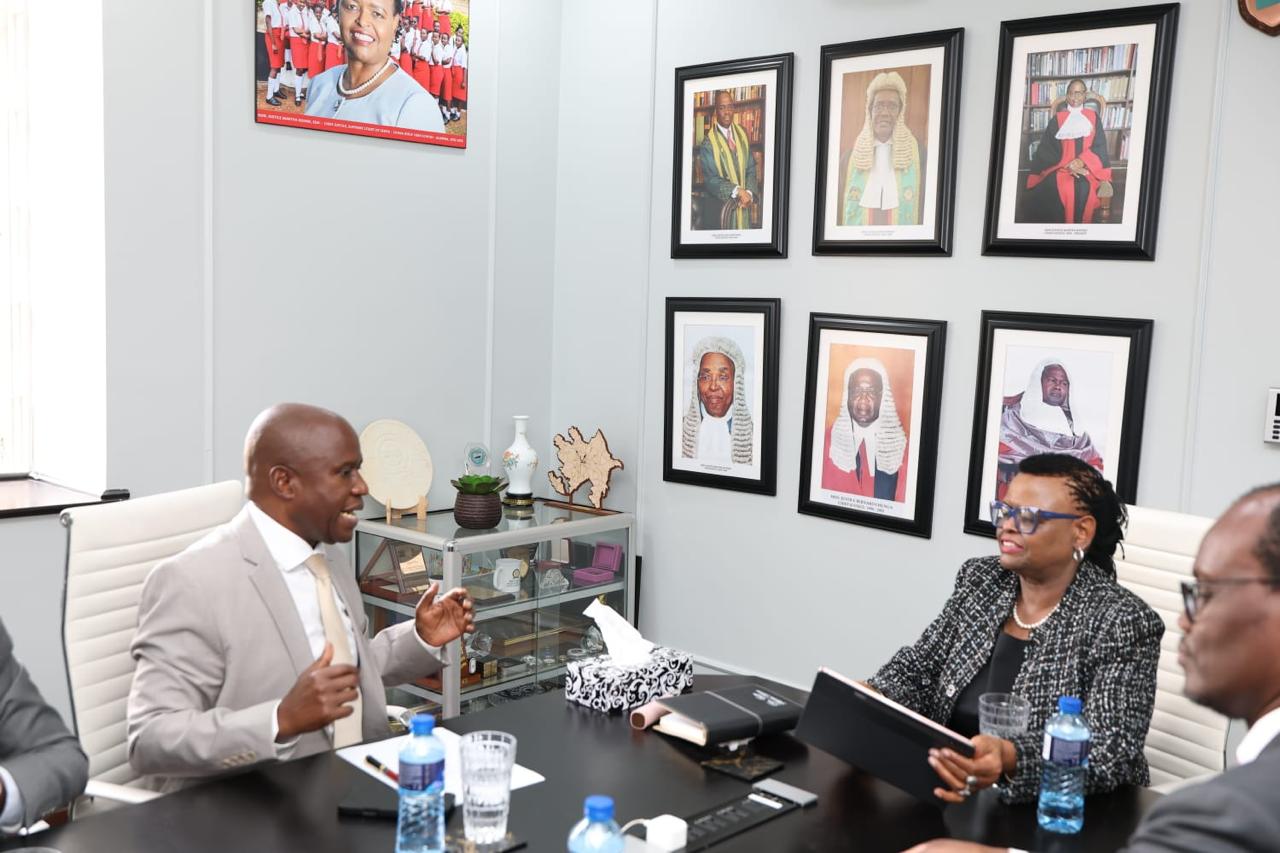
Speaking during the workshop in Siaya, KECOBO Deputy Executive Director Sharon Chehale Wata revealed that the initiative, running under the banner “Faidika na Sanaa Yako” (#OwnYourArt), has now reached nearly 15 counties since its launch last year.
“We want to overhaul the Copyright Act just to keep up with the times, especially regarding the online environment,” Wata said. “The bill is quite extensive in terms of being current. The 2010 Constitution specifically provides for the protection of intellectual property law, and we want to keep up with the laws of the land.”
Wata also addressed deep-seated frustrations regarding the management of artist royalties by Collective Management Organizations (CMOs). She noted that under current regulations, licensed bodies such as the Kenya Association of Music Producers (CAMP) and the Performers Rights and Audio-Visual Society of Kenya (PRISK) are legally mandated to distribute at least 70 percent of their collections to artists—a threshold that has historically been difficult to enforce.
To rectify this, Wata stated that a presidential directive is currently being implemented alongside institutional partnerships to ensure transparent collection and distribution.
“We are looking forward to a time in the very near future where we are not going to hear creatives crying again that they received 1,000 or 500 shillings from royalties,” Wata added.
On enforcement, the deputy director emphasized that KECOBO officials retain the statutory power to arrest copyright infringers and seize pirated materials. The board is also actively training police officers on investigation protocols to ensure copyright cases are effectively prosecuted in court.
The training provided immediate dividends for several local artists in Siaya, who registered their works on-site.
Marenya David, a local creative and innovation artist who claims to have previously lost proprietary designs to unauthorized foreign production, successfully copyrighted 15 of his works during the session.
“Sometimes you do an innovation, then you share it. Before you know it, it has been taken and you see it in another media,” David said, calling the training ‘God-sent.’
However, David urged the government to address operational bottlenecks stifling local talent: “I call upon the government to work on the issues of multi-taxation or rather multi-licensing. It is actually killing the creatives because you have to pay for a lot of licenses when you are just picking up.”
The forum attracted a large turnout of younger artists, commonly referred to as Generation Z, eager to learn how to monetize and secure their digital footprints.
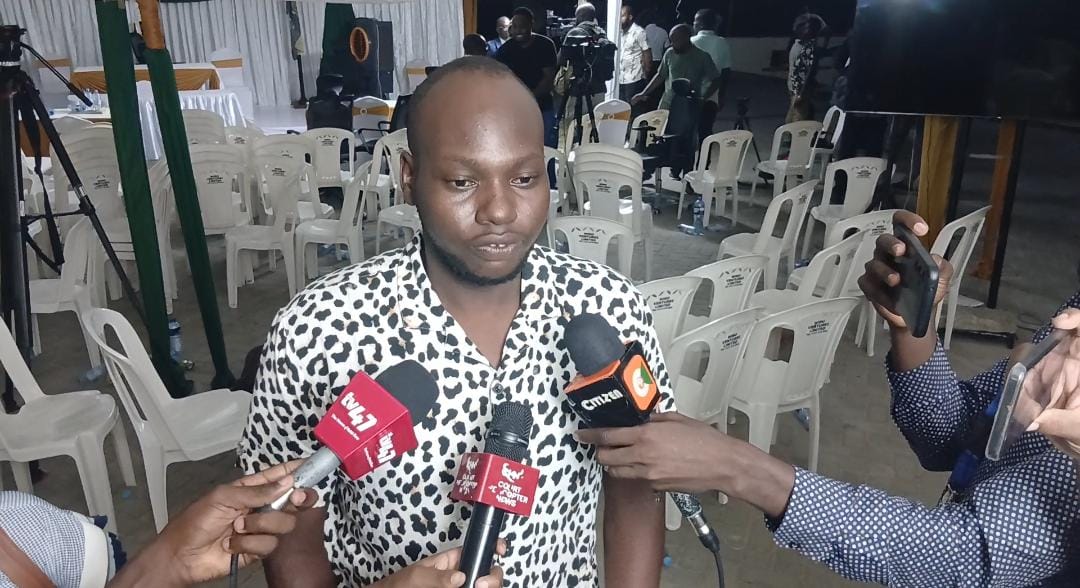
Joffrey Oduor, a local scriptwriter and Master of Ceremonies known popularly as MC Jeff 001, noted that the digital age has made young creators highly vulnerable to plagiarism.
“I came here to learn how I can protect my art of script writing and content creation so that someone else doesn’t just come and steal it,” Oduor said. “I also wanted to know the consequences I might face if I happen to steal someone else’s work. I thank God I’ve learned how to protect a script I’ve written.”
Millicent Atieno, a social worker and artist known as Mishi Bangs, urged fellow youth to utilize the board’s registration services. “Come out in numbers and register your creations with KECOBO. It pays,” Atieno said, adding that the training also equipped her to educate wider communities on intellectual property rights.
KECOBO has urged the public and stakeholders to review the Copyright and Related Rights Bill 2026 on its digital platforms as public participation channels remain open for memorandum.