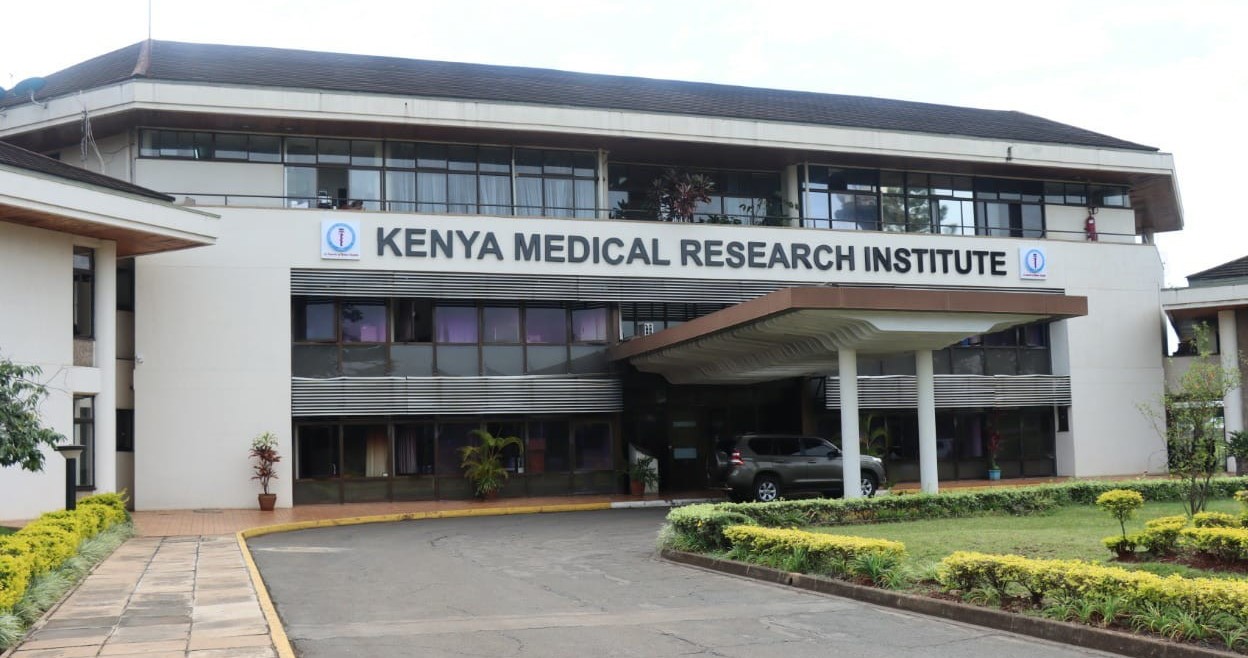
The Kenya Medical Research Institute (KEMRI) is set to establish Kenya’s first dedicated Hepatitis B Research and Treatment Centre in Marigat, marking a major milestone in the fight against the disease.
Speaking after the signing of a Memorandum of Understanding (MoU) between KEMRI and the Baringo County Government, KEMRI Director General Prof. Elijah Songok said Hepatitis B prevalence in Baringo stands at 10 percent, among the highest rates in the country.
He noted that the high burden of the disease informed the decision to establish the facility in Marigat.
The centre will focus on research, screening, treatment, disease surveillance and public awareness to strengthen efforts against Hepatitis B.
Once operational, the facility will provide specialized care to patients while serving as a national hub for scientific research and innovation on the disease.
Prof. Songok further revealed that residents of Baringo are also set to benefit from the development of what could become the world’s first Kala-azar vaccine, a breakthrough expected to significantly strengthen the fight against the neglected tropical disease that has affected communities in the region for decades.
The project is expected to improve access to healthcare services for affected residents and position Baringo as a leading centre for Hepatitis B research and treatment in Kenya.
Baringo Governor Benjamin Cheboi welcomed the initiative, describing it as a major boost to healthcare in the county.
He reaffirmed the county government’s commitment to supporting programmes that strengthen health services and improve the well-being of residents.
The MoU also outlines collaboration in other strategic health research areas, including the development of a Kala-azar vaccine and snake venom harvesting for scientific research and the production of life-saving antivenom, further positioning Baringo as a key centre for medical research and innovation.