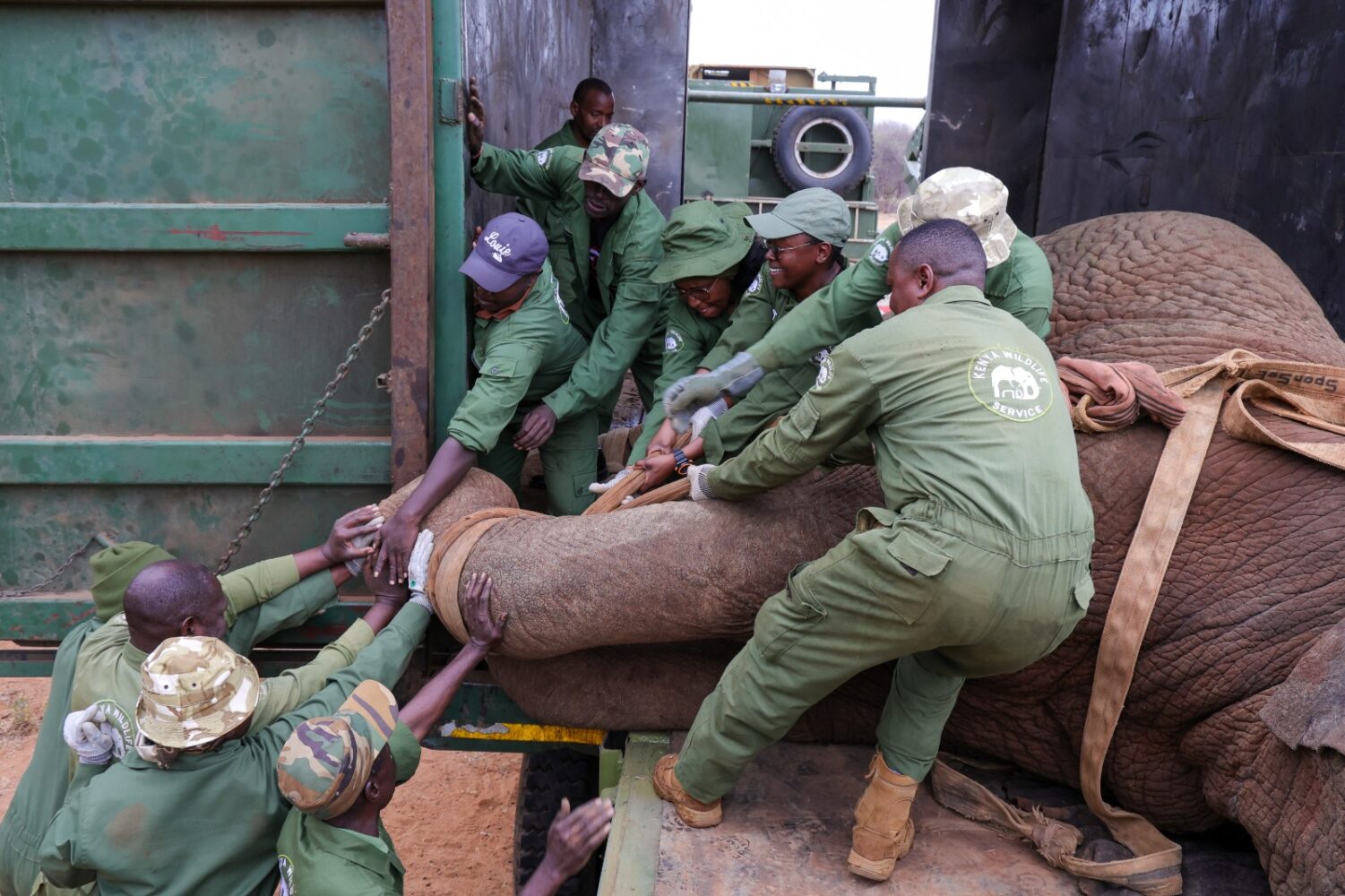
The Kenya Wildlife Service (KWS) has launched extensive investigations following the deaths of 15 elephants in the Amboseli Ecosystem over a one-month period, with preliminary findings pointing to a possible toxic substance as the cause of several of the fatalities.
In a statement, KWS said the elephant deaths were recorded between June 24 and July 24, 2026, across Amboseli National Park, Kimana Sanctuary and the Kuku Ranch area.
According to the wildlife agency, 10 of the elephants displayed similar clinical signs before dying, including partial paralysis that left them unable to stand. The affected animals died within one to two days after the symptoms appeared.
The remaining five elephant carcasses were either too decomposed or had been scavenged, preventing investigators from determining the cause of death.
KWS noted that the condition mainly affected adult female elephants and their calves, with only one adult male among the recorded deaths.
Following the first reports, the Service dispatched veterinary teams from Nairobi, Tsavo and Amboseli to investigate the incident. The teams treated sick elephants, conducted post-mortem examinations and collected samples for laboratory analysis.
The samples were submitted to the University of Nairobi, the Government Chemist and other specialized laboratories for toxicological and pathological testing.
Preliminary laboratory results from the University of Nairobi detected a potential toxic substance in samples collected from several of the affected elephants. However, KWS said further quantitative analysis is underway to determine the concentration and significance of the substance, while investigations continue to establish its source.
Meanwhile, preliminary tests conducted by the Government Chemist returned negative results for the toxic substances examined so far. Additional testing for other potential toxins is ongoing.
KWS has also expanded its investigations to include environmental assessments, with experts analyzing water sources and other possible environmental contaminants in the affected areas to determine whether the elephants were exposed to a common source.
The wildlife agency emphasized that there is currently no evidence that the incident poses a risk to human health.
“The condition observed is confined to the affected elephants, and there is no indication that it is transmissible to humans,” KWS said.
As investigations continue, KWS has intensified surveillance across the Amboseli Ecosystem and is closely monitoring elephant populations in collaboration with scientific partners to establish the definitive cause of the deaths.