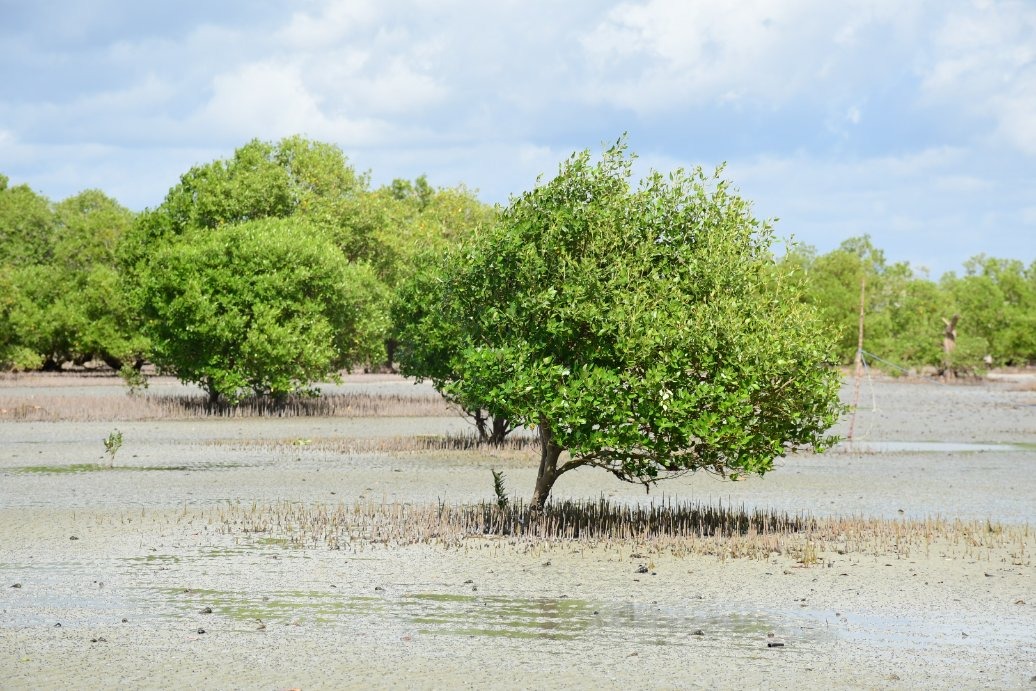
Kenya’s largest mangrove ecosystem could shape the future of coastal conservation across the country, with stakeholders meeting in Lamu County underscoring the need for coordinated action to safeguard forests that are increasingly under pressure from human activity and climate change.
The message emerged during the National Mangrove Stakeholder Forum, where government agencies, county governments, conservation organisations, researchers, Community Forest Associations, development partners and private sector representatives are reviewing progress made under the National Mangrove Ecosystem Management Plan (2017–2027).
The two-day forum, convened by the State Department for Forestry, is serving as a precursor to the 2026 World Mangrove Day celebrations scheduled for July 26 in Mokowe, Lamu County.
According to the State Department, Kenya’s mangrove forests cover approximately 61,271 hectares along the country’s 536-kilometre coastline.
Lamu alone accounts for 61 per cent of the national mangrove cover, making it the country’s most significant mangrove landscape and a critical focus for conservation efforts.
Mangrove forests provide some of the country’s most valuable ecosystem services, including shoreline protection, climate change mitigation through blue carbon storage, biodiversity conservation, fisheries enhancement and livelihood support for coastal communities.
However, the ecosystems continue to face growing threats from illegal wood harvesting, encroachment, pollution, coastal development, sedimentation, climate change and reduced freshwater inflows resulting from upstream river damming.
According to the State Department for Forestry, these pressures have contributed to degradation of mangrove forests and associated marine ecosystems, reducing fisheries production and accelerating the loss of seagrass beds and coral reefs.
Kenya currently records an annual mangrove cover loss rate of 0.7 per cent, higher than that of other forest ecosystems.
Participants at the forum are reviewing achievements and lessons learned under the current National Mangrove Ecosystem Management Plan while identifying priority actions to guide the next phase of mangrove governance.
Discussions are focusing on strengthening coordination among stakeholders, promoting community-led stewardship, mobilising restoration financing, encouraging private sector investment and improving governance structures.
Expected outcomes include a comprehensive review report on implementation of the current management plan, strategic recommendations for improved mangrove governance and an action framework to strengthen future conservation efforts.
Organisers say the forum also supports broader national priorities, including the 15 Billion Trees Programme by 2032, biodiversity conservation, climate change commitments, ecosystem restoration and the growth of the blue economy.
As preparations gather pace for World Mangrove Day in Lamu, stakeholders say protecting Kenya’s largest mangrove ecosystem will be critical not only to securing the country’s coastal biodiversity but also to setting a benchmark for mangrove conservation across the wider region.