Kenya could soon review taxes on fuel as the government moves to shield consumers from the impact of the ongoing Middle East conflict.
Treasury Cabinet Secretary John Mbadi now says the state is considering adjustments to the value-added tax on petroleum products to stabilize pump prices amid global uncertainty.
Despite fears of a spike in fuel prices, the government insists there will be no immediate increase, with current supplies expected to sustain the country in the coming weeks.
As of the end of March, Kenya had 16 days of petrol, 19 days of diesel, and about 49 days of jet fuel and kerosene. Additional shipments scheduled between March and April are expected to boost reserves and stabilize supply.
“The current fuel pricing cycle, March 15, 2026, to 14th April 2026, is not likely to be affected since the product concerned was delivered before the Middle East conflict,” said Mbadi.
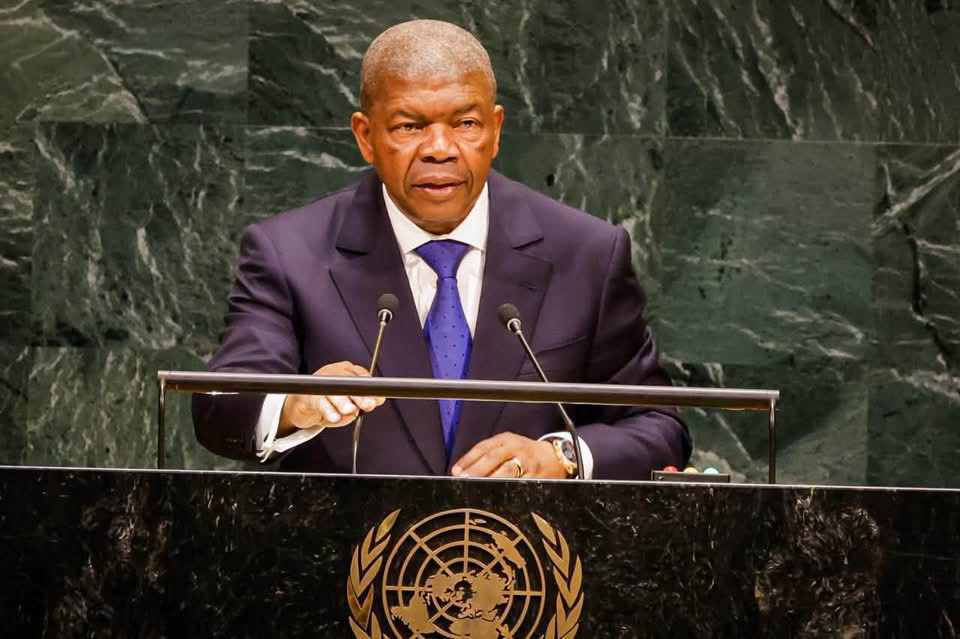
Appearing before the national assembly’s finance committee, Treasury CS John Mbadi says the government is considering reviewing key levies on petroleum products to keep fuel affordable in the coming months, amid price volatility driven by the Middle East conflict.
“If, for example, the price was to increase by about Ksh. 60, especially diesel, which is the most significant for our economy, if it were to increase by Ksh. 60 per litre, if you take off VAT, that comes down to about Ksh. 51. We bring in that Ksh. 51 and try to moderate it. I may not go into the details of how much we are trying to cover with the stabilisation fund because again, it is the responsibility of EPRA to announce the prices,” noted Mbadi.
Shipping disruptions, particularly around key global routes such as the Strait of Hormuz, have already driven up freight costs and delayed exports worldwide. For Kenya, a net importer of fuel, the effects are beginning to be felt, with rising transport and logistics costs likely to push up the price of goods and services.
“Our suppliers, especially the ones we have a G2G arrangement with, are actually loading from other areas that are not affected, like Europe and India,” Mbadi stated.
For now, Kenyans are being urged not to panic, with the government maintaining that fuel supply remains stable even as it keeps a close watch on global developm