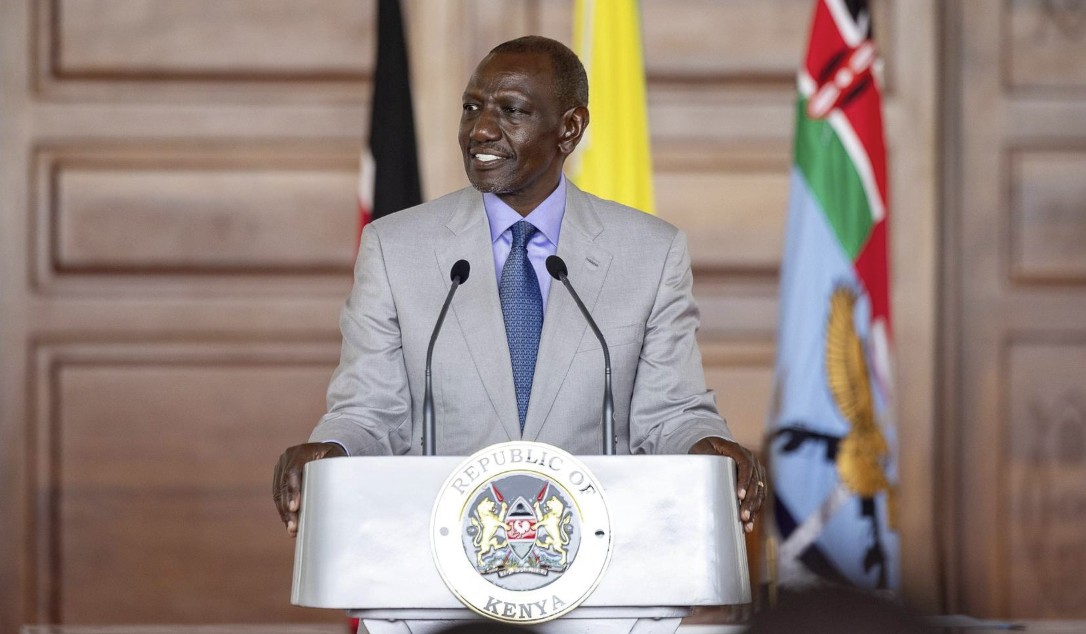
President William Ruto, you occupy an important office, but you do not own Kenya. The presidential seal, official motorcade, security detail and applause of loyalists cannot convert an electoral mandate into a title deed over the republic. Your authority is temporary. Our citizenship does not expire when your term ends. That distinction must govern every exercise of public power.
Kenya belongs equally to those who applaud you and those who question you. It belongs to the unemployed graduate, the struggling trader, the farmer calculating production costs and the parent wondering how to keep a child in school. None needs presidential approval to belong. None becomes less Kenyan by refusing to celebrate government policy.
Our Constitution settles the matter at its foundation. Article 1 places sovereign power in the people, exercised in accordance with the Constitution. Article 2 binds every person and every State organ to that supreme law. The presidency therefore exercises delegated authority. It cannot place itself above the citizens from whom that authority originates.
Yet our political culture too often reverses this relationship. Leaders expect gratitude for services financed by taxpayers. Public projects become personal gifts. Questions become insults. Criticism becomes disloyalty. Citizens are encouraged to behave like grateful beneficiaries rather than the people entitled to demand results. This is how a republic gradually acquires the habits of a royal court.
Mr President, Kenyans are not defeated because they are tired. A mother who spends her day finding food may lack the energy to argue online. A businessman trying to save his enterprise may stop attending political meetings. A young person searching for employment may withdraw from public debate. Their silence cannot reasonably be counted as endorsement.
There is a political mistake in assuming that people have forgotten simply because they have resumed their daily routines. They must work, raise children, care for relatives and survive. Life continues even under disappointment. Returning to work does not mean withdrawing a demand for accountability. Survival is not a vote of confidence.
Nor should citizens be required to perform outrage every morning to prove that their convictions remain intact. Democratic resolve can be quiet. It can take the form of studying a budget, preserving evidence, supporting litigation, organising neighbours or preparing to vote. The most consequential political decisions often mature far from microphones and television cameras.
What matters is that frustration becomes purposeful civic action. Article 37 protects peaceful, unarmed assembly, demonstration, picketing and petitioning. Article 38 protects political choice and participation, including voting rights. These constitutional avenues belong to citizens who support the government and those seeking its replacement. Their exercise must never depend on pleasing the administration.
Our answer must therefore be disciplined, peaceful and constitutional. Violence destroys lives and weakens the very freedoms citizens seek to defend. Tribal hostility divides people whose economic concerns often overlap. The task is to build solidarity around accountable government, lawful institutions and opportunities for ordinary Kenyans, while respecting the equal citizenship of those who disagree.
The same discipline demands consistency. Opposition politicians cannot claim ownership of our conscience either. We should question their promises, scrutinise their alliances and demand credible plans. Replacing one administration with another achieves little if public office continues to reward arrogance, secrecy and personal enrichment. Citizenship requires independent judgment before an election and sustained scrutiny afterwards.
For President Ruto, the appropriate response to criticism is evidence. Explain what public money has achieved. Answer difficult questions clearly. Allow institutions to discharge their duties. Treat adverse judgments as obligations to respect, rather than personal humiliations. A confident administration understands that scrutiny can expose weaknesses before those weaknesses become national disasters.
The citizen asking about taxes is entitled to an answer. The family questioning healthcare deserves clarity. The community seeking water should receive a plan it can assess. These are ordinary demands of responsible government. They should bring ministers closer to public concerns, rather than provoke lectures about gratitude and patience.
For citizens, the challenge is equally practical. Register to vote, examine policy proposals, participate in public hearings and demand answers through lawful channels. Insist that electoral institutions administer the process impartially. Defend the rights of journalists, civic organisations and political opponents. A constitutional democracy survives through habits of participation, not declarations of courage alone.
We should also reject the suggestion that loyalty to Kenya requires loyalty to its president. A country is larger than its incumbent. Its future stretches beyond the calculations of a campaign team. Patriotism includes protecting public resources, defending institutions and refusing to excuse wrongdoing merely because the person responsible belongs to our preferred political camp.
Every president eventually leaves office. Citizens inherit the consequences: debts to repay, institutions to rebuild, opportunities gained or squandered, and precedents that shape the next administration. That is why we must think beyond personalities. The standard we tolerate today may become the weapon another ruler uses tomorrow. Constitutional restraint protects everyone.
So let this be our declaration: we remain citizens with minds of our own, voices of our own and responsibilities we cannot outsource. We will question without hatred, organise without violence and pursue change without surrendering principle. Temporary authority cannot demand permanent obedience. Mr President, govern within the law and answer to the people. Kenya is ours to protect, together.