The National Police Service (NPS) has defended a controversial KSh1.9 billion allocation for government building security and VIP protection amid growing concern from Members of Parliament over rising expenditure during a period of financial constraints.
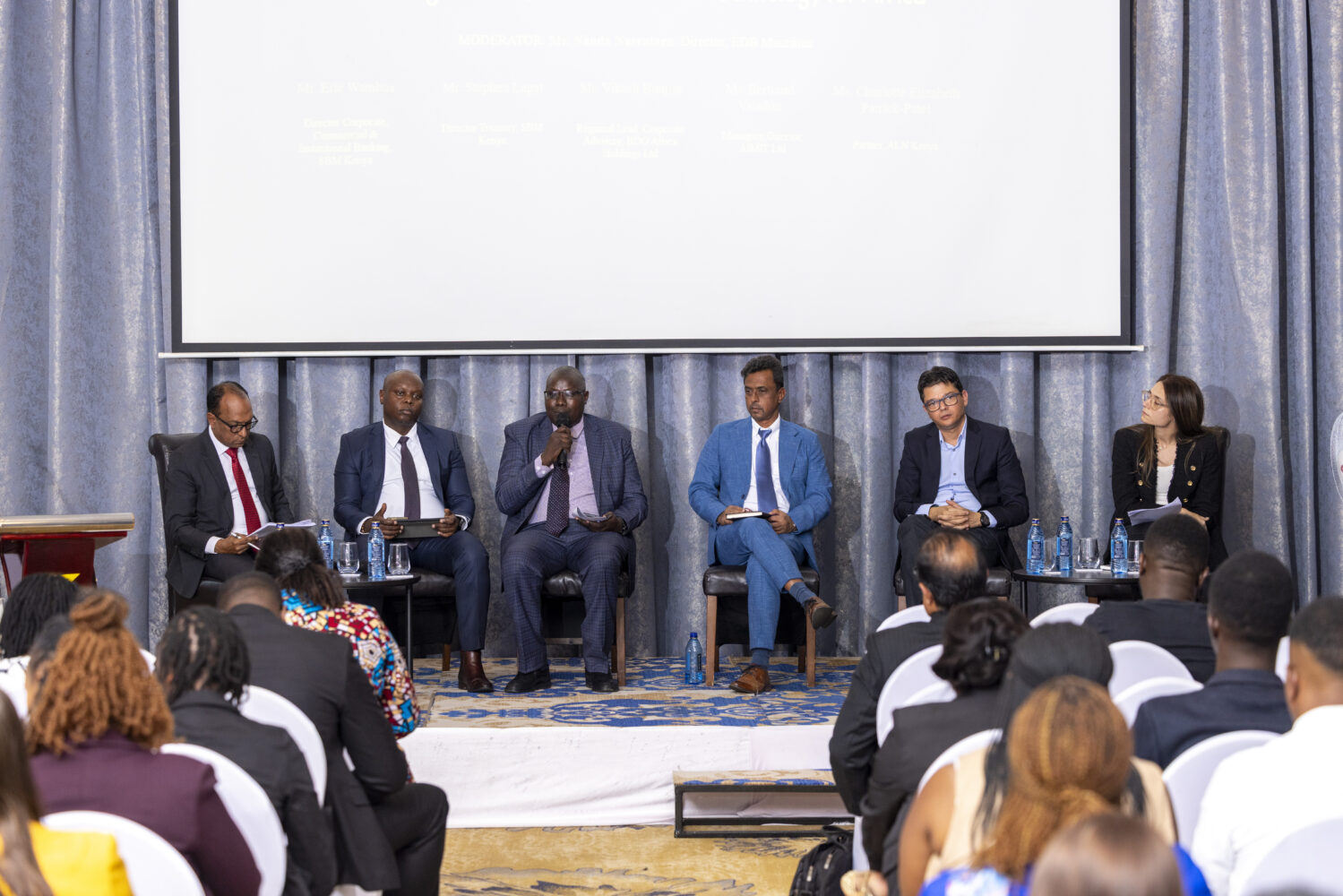
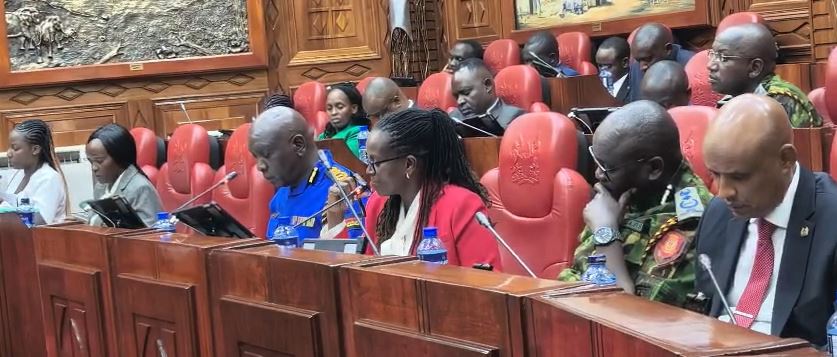
Appearing before the National Assembly Departmental Committee on National Administration and Internal Security during consideration of the 2026/2027 budget estimates, senior police officials were pressed to explain the new budget line, with legislators questioning its necessity and impact on service delivery at grassroots police stations.
Committee Chairperson and Narok West MP Gabriel Tongoyo sought clarification on the expenditure, noting that security personnel assigned to Parliament, the Judiciary and other State institutions are ordinarily facilitated under those institutions’ budgets.
“Maybe explain to members exactly what this is meant for,” Tongoyo said, questioning why nearly KSh2 billion had been allocated to VIP protection despite what he termed as “pathetic” conditions in many police stations across the country.
The lawmakers also demanded details on an additional KSh5 billion to KSh6 billion injected into ward policing and police station operations, seeking assurance that the funds would directly improve facilities and services.
In response, National Police Service Secretary Administration and Accounting Officer Bernice Lemedeket explained that the government had recently shifted police officers from private medical insurance providers to the Social Health Authority’s Public Officers Medical Scheme Fund.
She said the transition followed a government directive issued on March 31 and affected more than 140,000 police officers and prison warders.
Previously, the medical scheme was managed by a consortium of private insurers led by APA Insurance, Britam, First Assurance and Jubilee Insurance.
Lemedeket said the new scheme was expected to provide enhanced benefits similar to those enjoyed by civil servants and teachers, although implementation challenges had already emerged.
She, however, admitted that the cost of the new arrangement remained largely similar to the previous one.
“It’s like-for-like. We were doing about KSh8.6 billion for medical insurance and KSh4.2 billion for group life cover,” she told MPs.
She warned that inadequate funding continued to cripple the police insurance programme, especially group life cover, which caters for work injury benefits, death compensation and funeral expenses.
“Most of the time you see widows and widowers camping at the Inspector General’s office asking for compensation because insurers cannot process claims without full premium payments,” she said, appealing to Parliament for additional support.
Chief Finance Officer Arthur Nduati clarified that the government buildings and VIP protection allocation was not entirely new, but had previously existed as a sub-head under the Critical Infrastructure Protection Unit.
He explained that most of the KSh1.8 billion allocation under the programme would go towards salaries for newly recruited officers expected to graduate and be deployed to guard government installations.
“Out of the KSh1.8 billion allocated to that item, KSh1.8 billion is for salaries, leaving only KSh66 million for Operations and Maintenance,” Nduati said.
He further disclosed that the expanded ward policing budget would largely finance salaries for the incoming recruits, enhanced food rations for suspects in police custody, and strengthened security operations.
For the first time, the police service has also allocated KSh137.5 million specifically for refurbishment of dilapidated police stations.
The officials also revealed major funding gaps in police insurance schemes, saying the service requires more than KSh2 billion for medical cover and an additional KSh8 billion for group life insurance.
According to Nduati, failure to fully fund the programme had delayed payment of accident claims and funeral benefits for officers who die in the line of duty.
The committee was also updated on efforts to operationalise the long-awaited police hospital, with officials confirming that pending bills linked to the project had been fully provided for in the upcoming budget.
Inspector General of Police Douglas Kanja separately appealed to lawmakers to support the modernisation of the police air wing, revealing that the service currently has only three operational aircraft.
Kanja said the police inherited a depleted aviation unit after the aircraft were previously moved away from the National Police Service, forcing the agency to rebuild almost from scratch.
“We have three operational aircraft, two fixed-wing aircraft and one Mi-17 helicopter but we have nine aircraft at the hangar that can be restored with some investment,” he said.
The Inspector General disclosed that the service had already budgeted KSh102 million for refurbishment of the Mi-17 helicopter and additional funds to repair another helicopter grounded due to gearbox problems.
He further called for the purchase of two new fixed-wing aircraft with a carrying capacity of between 19 and 24 passengers to strengthen police operations, disaster response and surveillance capabilities.
Kanja said the existing Mi-17 helicopter had proved critical during operations in North Eastern Kenya and other emergency deployments.
“We are almost starting from scratch and we need a lot of support in that direction,” he told the committee.