When Kenya gained independence in 1963, founding father Jomo Kenyatta set out a mission to eradicate three key issues;- poverty, ignorance, and disease.
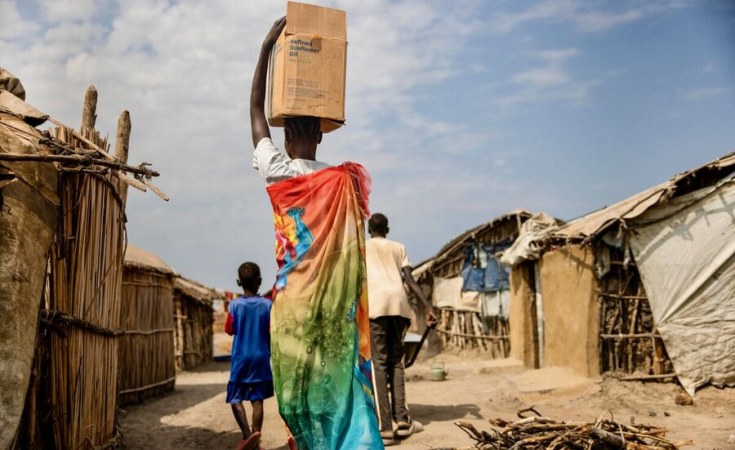
Unfortunately, more than six decades down the line, Kenya, and to the extent, Africa, is still grappling with the aforementioned issues. In fact, a November 2025 report by Oxfarm Kenya indicates that 77% (or 43 million) Kenyans live in poverty, with 46% living on less than KSh130 a day. Additionally, 7 million more Kenyans have fallen into poverty recently.
As a continent, Africa’s extreme poverty rate –according to World Bank data — stands at 38%, the highest of all regions. The data also says that Africa has over 60% of the global extreme poor population.
Poverty eradication in Africa remains one of the continent’s most urgent but complex challenges. Despite decades of efforts, no single program has eliminated poverty. Instead, governments, regional bodies, and international partners have focused on reducing its severity and improving living conditions.
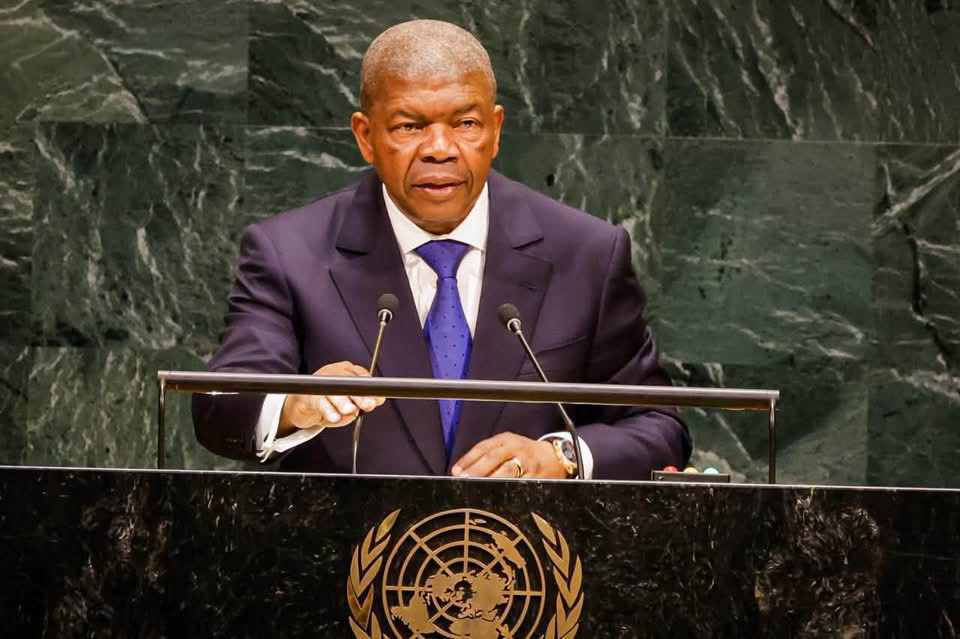
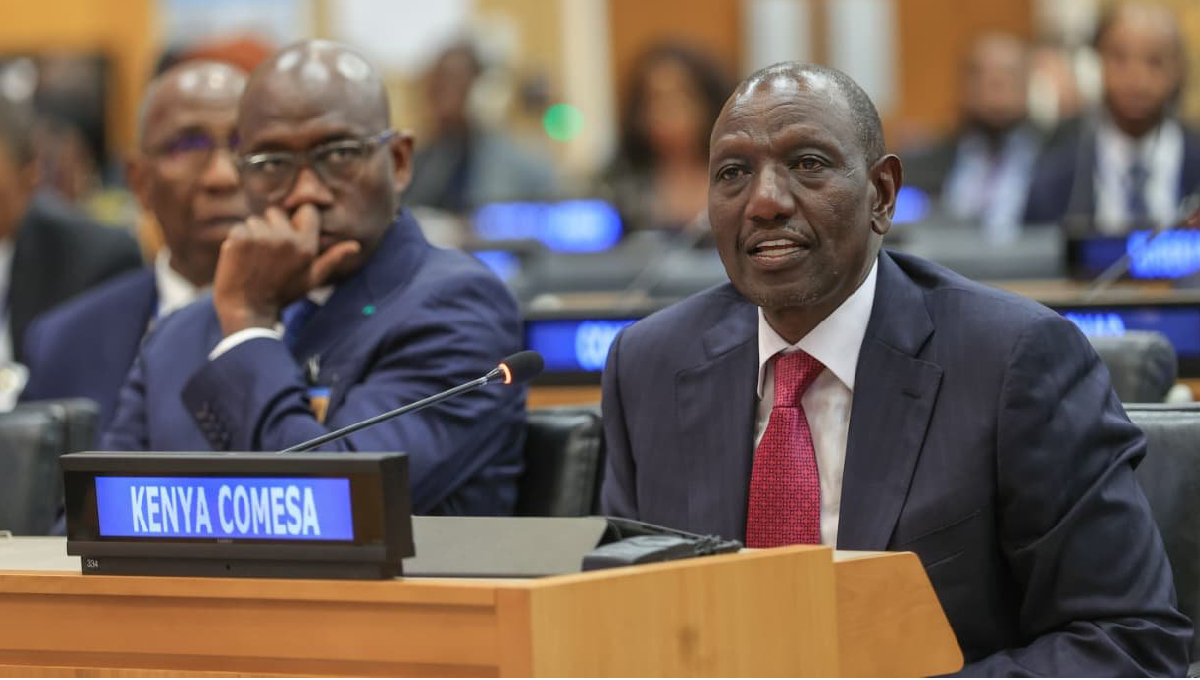
The African Union (AU) leads long-term development planning through Agenda 2063, which aims to transform Africa into a prosperous and self-sustaining region. This vision aligns with the United Nations Sustainable Development Goals, particularly the target of ending extreme poverty by 2030.
However, progress has been uneven across countries.
One of the most widely used strategies is cash transfer programs. Countries like Kenya and South Africa provide direct financial support to vulnerable populations. For instance, Kenyan government gives KSh2,000 monthly to those above 70+ years to help alleviate their situation. These programs help households afford food, healthcare, and education, offering immediate relief, albeit inadequate.
However, they do not create sustainable income streams, meaning beneficiaries often remain dependent on aid.
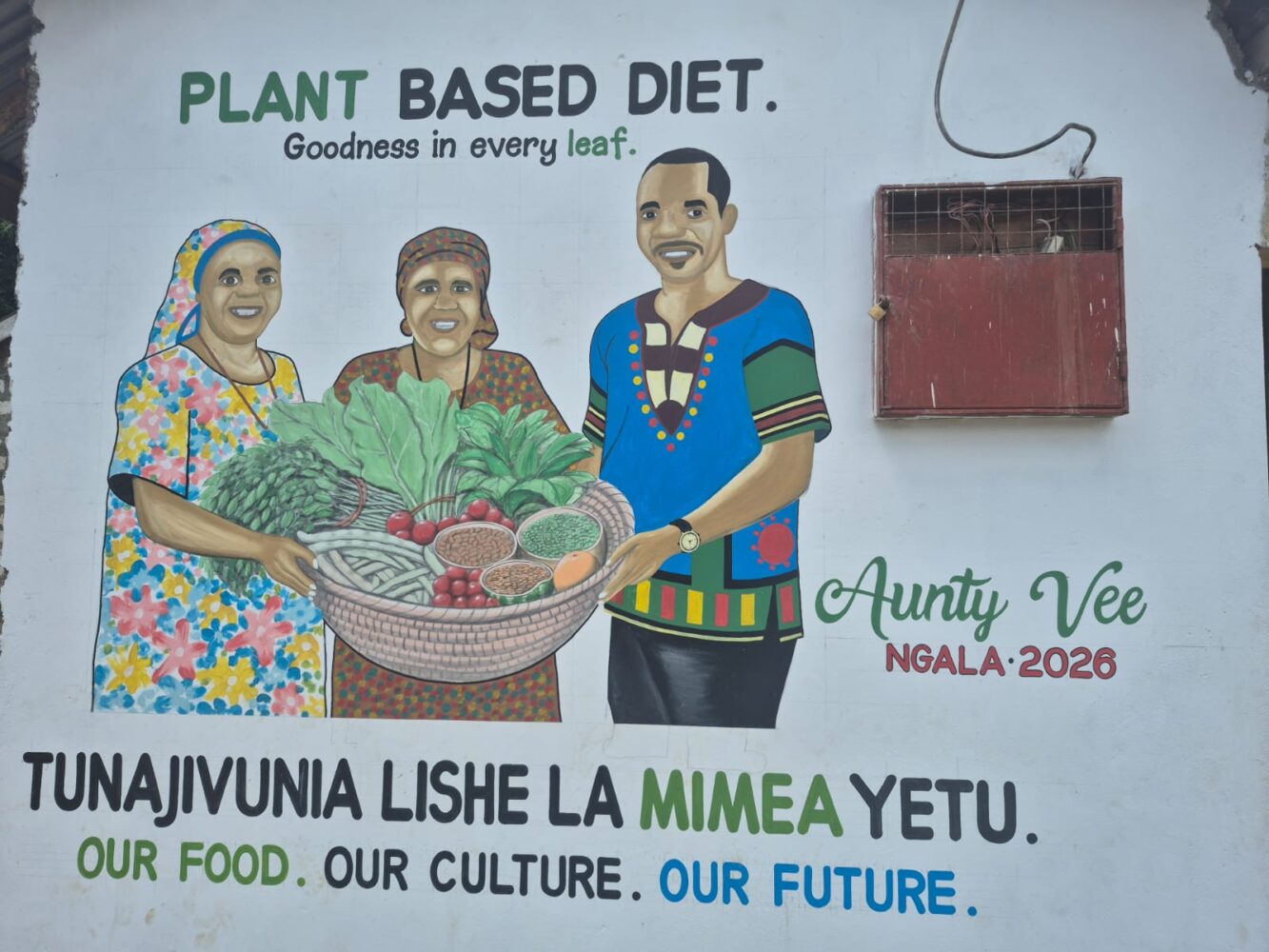
Agriculture also plays a central role in poverty reduction. Many African economies rely heavily on small-scale farming, so governments invest in subsidies for seeds and fertilizers, as well as farmer training programs. While these initiatives can boost production, challenges such as climate change, poor infrastructure, and limited market access continue to hold farmers back.
According to the International Food Policy Research Institute (IFPRI), African farmers produce far less food per hectare than the world average, because food production, distribution and consumption systems are not functioning optimally.
“Millions of people live with hunger and malnutrition, and there is too much waste and inefficiency in the farming sector,” IFPRI says.
Microfinance and small business support programs have also been promoted, often with backing from institutions like the World Bank. These initiatives aim to empower individuals to start businesses and generate income. In reality, high interest rates and limited market opportunities often restrict their long-term success.
On this end, governments have tried to introduce grants, as opposed to loans, to its young citizens to start income-generating businesses to be able to sustain themselves. The Kenyan government has recently rolled out an extensive National Youth Opportunities Towards Advancement (NYOTA), a five-year World Bank-funded programme that will see KSh5 billion distributed to 820,000 unemployed young people to uplift their lives.
Education remains a critical tool in breaking the cycle of poverty. Many African countries have introduced free primary education and vocational training programs to equip young people with skills. However, gaps in quality and the mismatch between education and job markets continue to limit impact.
Infrastructure development—such as roads, electricity, and internet access—has been supported by governments and institutions like the International Monetary Fund. These investments are essential for economic growth but require consistent funding and strong governance to be effective.
Despite these efforts, poverty persists due to structural issues including corruption, unemployment, population growth, and climate-related shocks. The reality is that most programs reduce hardship rather than eliminate poverty entirely. Long-term solutions will depend on job creation, industrial growth, and accountable leadership across the continent.