
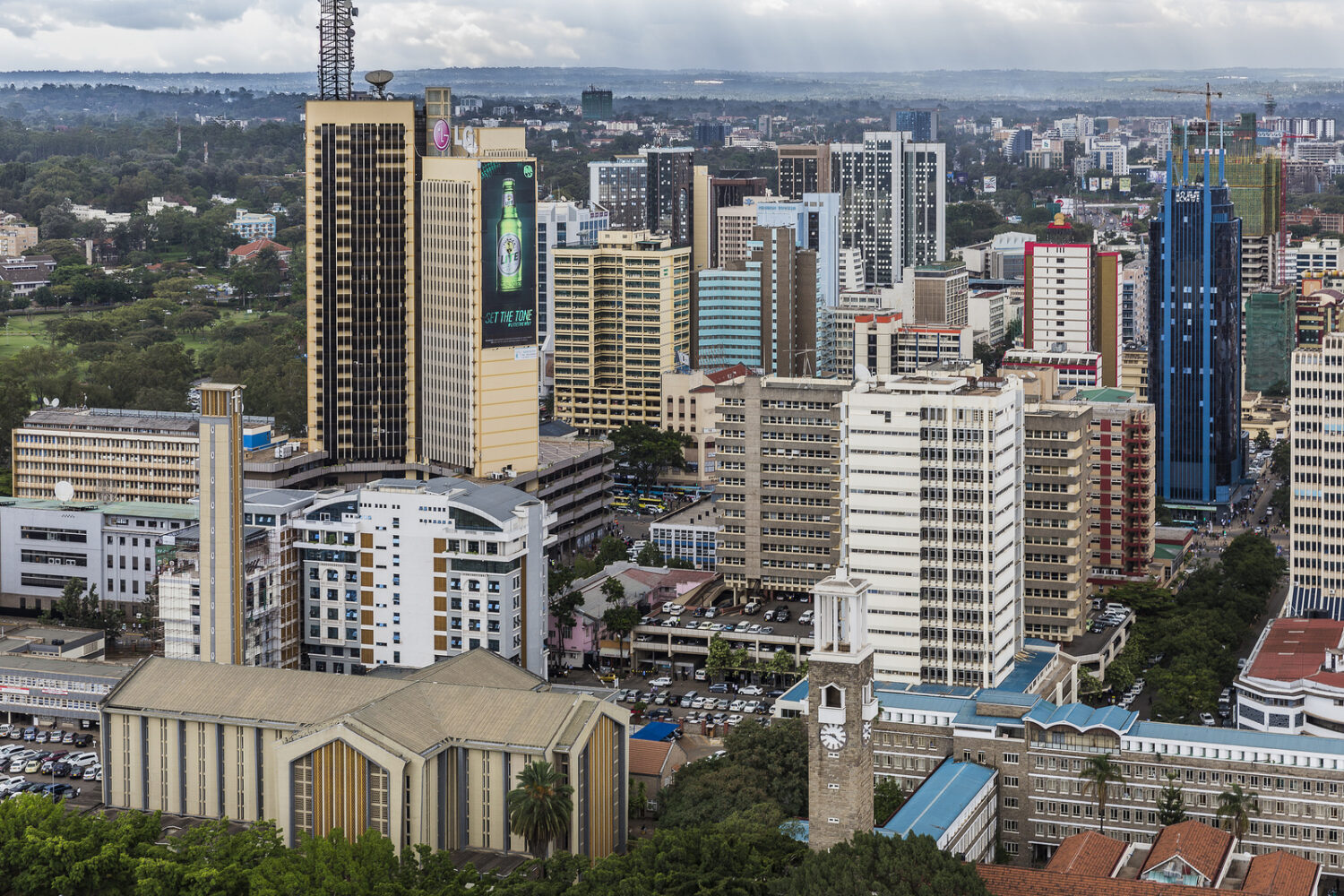
Across Nairobi, the city continues to grow, new buildings continue to rise and demand for space remains strong.
However, beneath the visible progress lies a less discussed reality, the gradual aging of commercial buildings that were never designed for today’s intensity of use, evolving safety expectations and modern operational demands.
Many of these buildings remain in active use and occupy prime locations. They house offices, retail spaces, and institutions that form the backbone of urban life.
However, while they continue to function economically, their underlying systems often tell a different story.
Structural components age, mechanical and electrical systems become outdated and safety standards evolve faster than buildings are upgraded. Over time, what once met expectations begins to fall behind them.
The challenge is that this decline rarely appears suddenly. It builds quietly through small, repeated compromises.
A plumbing system that is patched rather than replaced, a lift that operates beyond its intended lifespan, fire safety systems that have not been fully tested or modernized.
Electrical systems that are stretched to handle loads far beyond what they were originally designed for.
Individually, these issues may seem manageable but together, they form a pattern that weakens the safety, efficiency and long-term value of a property.
Many buildings that still attract strong tenants require significant behind-the-scenes intervention to remain safe and competitive.
The market often rewards location and occupancy over condition, which allows aging infrastructure to persist without adequate reinvestment.
This creates a gap between a building’s economic appearance and its physical reality. Financially, older buildings tend to become increasingly expensive to maintain.
Emergency repairs replace planned maintenance, energy efficiency declines and insurance considerations become more complex as risk profiles rise.
Over time, these factors reduce returns for owners and investors who did not fully account for lifecycle costs at the outset. The human cost is even more important.
Tenants and occupants experience unreliable systems, reduced comfort and in some cases, compromised safety conditions.
Buildings are not just financial assets, they are daily environments where people work, collaborate and spend significant portions of their lives. Building conditions directly affect wellbeing, productivity and trust.
There is also a reputational dimension that is often underestimated. In today’s real estate market, perception matters as much as location.
Tenants are increasingly aware of building safety, environmental performance and operational standards. A property that fails to modernize risks losing relevance, even if it sits in a prime business location.
In this way, neglect does not only affect physical infrastructure, it gradually erodes market competitiveness.
However, this is not an unsolvable problem. Aging buildings are a natural part of any growing city. In many global markets, older building stock continues to perform effectively because it is actively managed, upgraded and adapted over time.
The difference lies in approach and discipline. What is required in Kenya’s context is a stronger shift toward proactive asset management.
This means moving from reactive maintenance (fixing problems after they occur), to planned lifecycle management that anticipates risk and addresses it early.
It also means treating buildings as long-term systems that require continuous investment, not static assets that can be left to age without structured oversight.
Property management must evolve into a discipline that prioritizes safety, performance, and long-term value preservation.
This includes regular structural and systems assessments, phased retrofitting of outdated infrastructure and honest evaluation of when redevelopment becomes more viable than continued patchwork maintenance.
Kenya’s commercial property sector remains strong and full of opportunity, but its long-term sustainability will depend not only on new developments, but also on how responsibly we manage what already exists.
Aging buildings are an active responsibility that requires foresight, discipline and timely action.
If addressed early, we protect lives, preserve value and strengthen the resilience of our cities. If delayed, we risk turning gradual deterioration into avoidable failure.
The writer, David Kilui, is the Head of Property Management, PDM (Services)