The ongoing nationwide nurses’ strike has sparked growing concern over the state of healthcare delivery, with patients in urgent need of medical attention bearing the brunt of the industrial action.
Among those affected are Technical University of Mombasa (TUM) students injured in a tragic bus accident at Ngere, Awasi, in Kisumu County, who were traveling for the funeral of their leader Elvis Otieno, otherwise known as the Beast.
The students, many of whom sustained serious injuries, are currently receiving treatment at Jaramogi Oginga Odinga Teaching and Referral Hospital in Kisumu. Some remain in critical condition, with shards of broken glass lodged in their bodies, requiring specialized care. However, the strike has left the hospital grappling with a shortage of nurses, raising fears about the quality and timeliness of treatment.
Speaking from his hospital bed, James Wanjiru, one of the injured students, described the ordeal.
“I still have glass pieces inside my body, and I need urgent treatment. The doctors are trying their best, but without enough nurses, everything is slow ” he said.
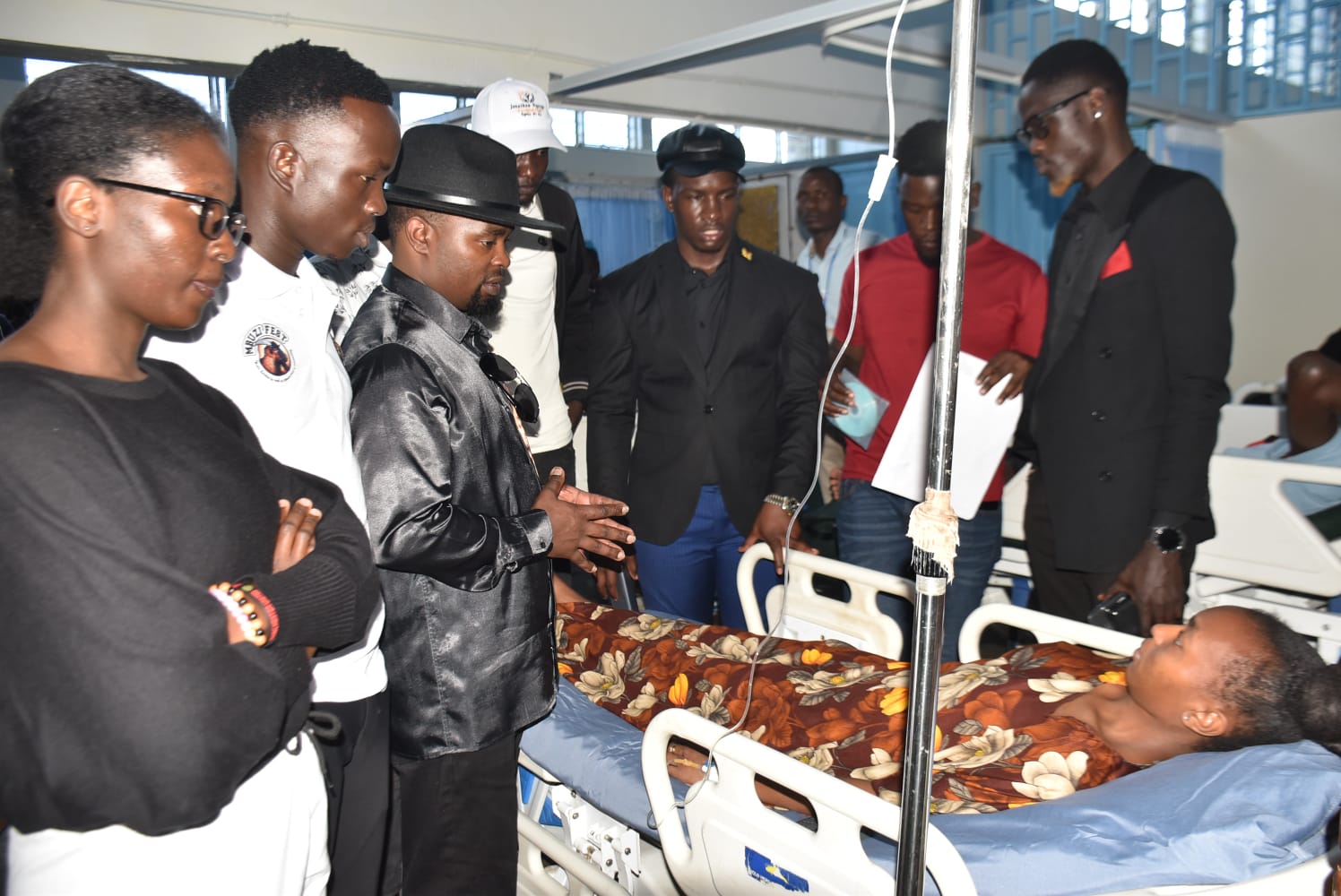
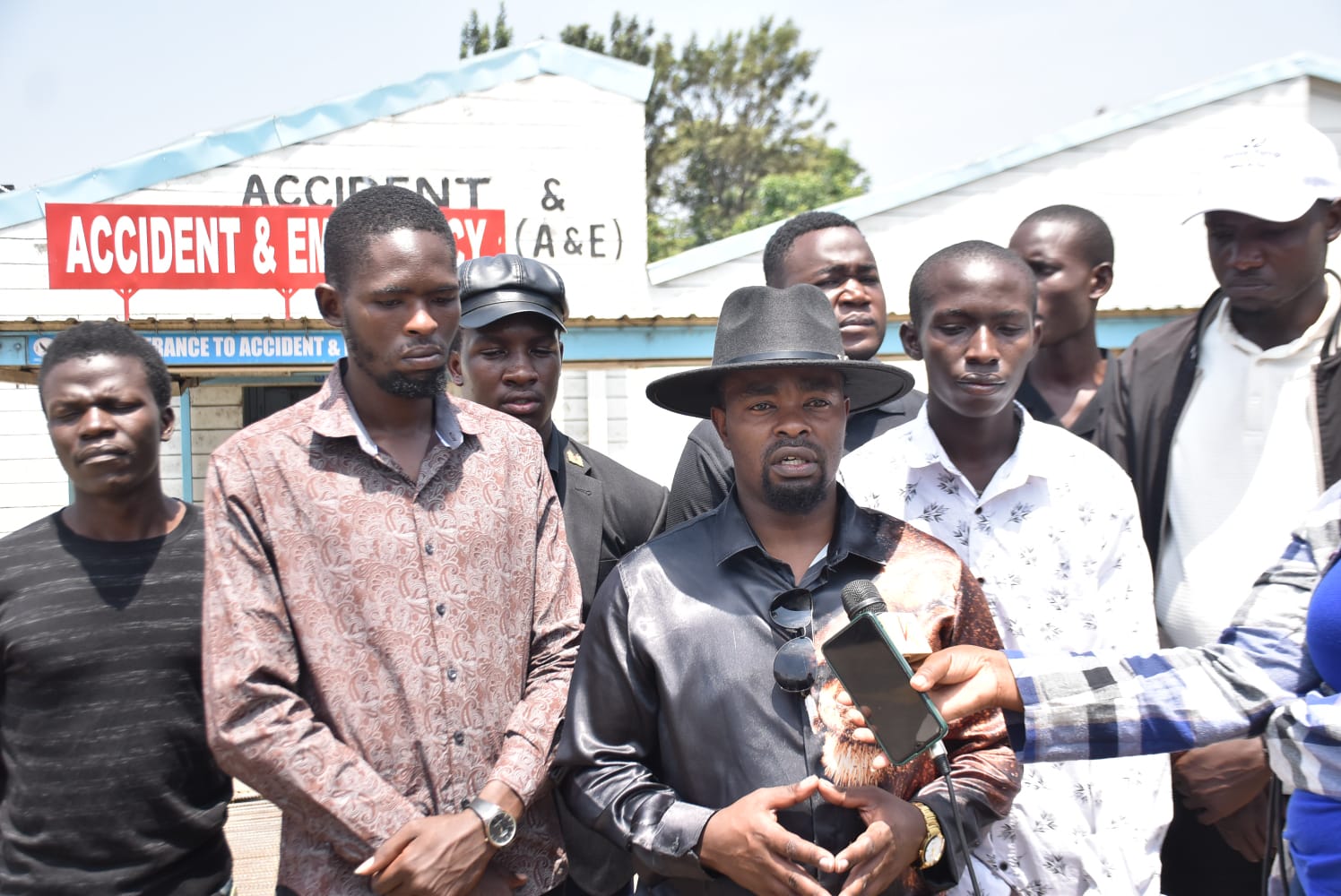
The situation has prompted calls for immediate government intervention. Anthony Manyara, President of the Kenya Universities Students Organization (KUSO) and Deputy Chairperson of the National Economic Development Party (NEDP), urged the Ministry of Health to resolve the dispute without delay.
“This strike is putting lives at risk. Students injured in the Ngere accident and many other patients across the country are suffering. The government must address nurses’ grievances and ensure they return to work,” Manyara stated.
He emphasized that the welfare of nurses is directly linked to the wellbeing of patients, adding that prolonged industrial action could lead to preventable deaths.
“It is crucial for both the government and nurses to reach a quick agreement. Every minute lost in this crisis means more patients are exposed to danger,” he added.
The strike has highlighted the fragile state of Kenya’s public healthcare system, where hospitals often struggle with limited resources and staffing shortages.
For the survivors of the Ngere accident, the urgency is palpable. With broken bones, internal injuries, and lingering trauma, they require consistent medical attention. Yet, the absence of nurses threatens to derail their recovery journey.
As the standoff continues, pressure is mounting on the Ministry of Health to act decisively. The plight of the injured students has become a stark reminder of the human cost of unresolved labor disputes in the health sector.