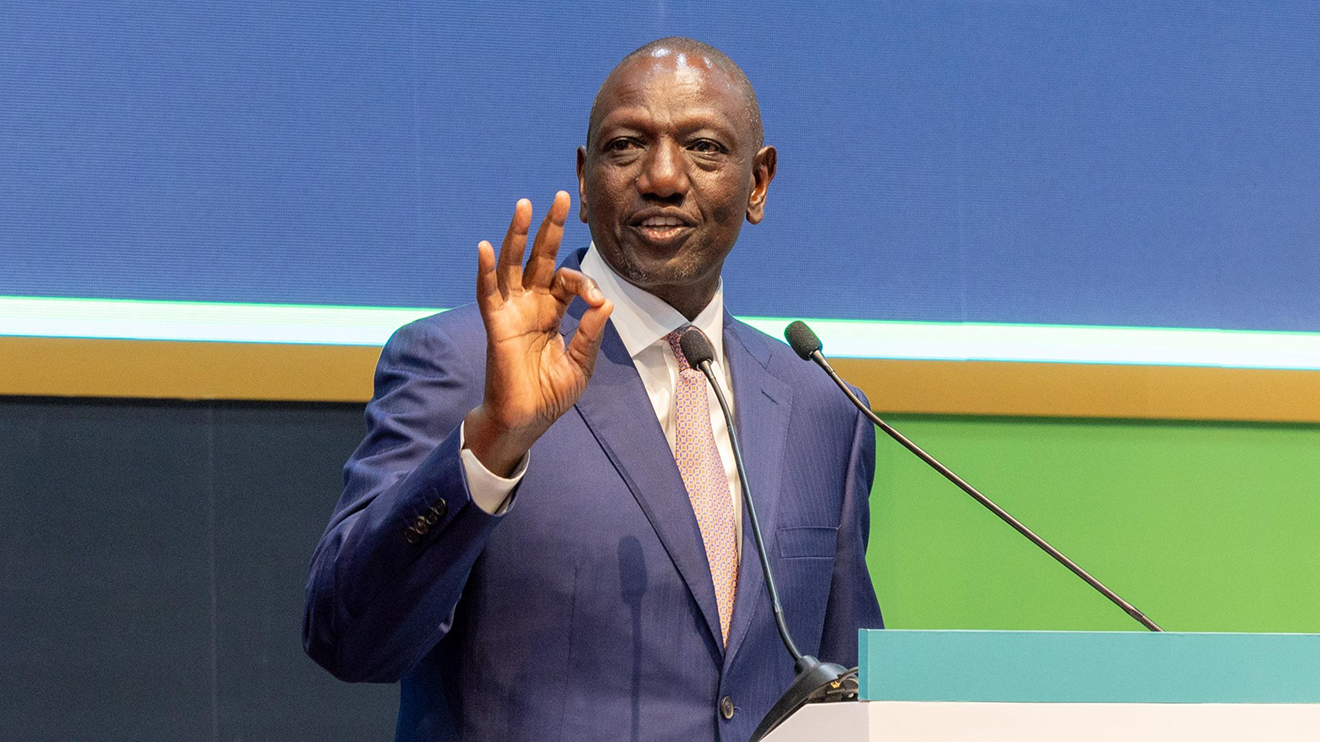
President William Ruto has shed light on why fuel costs in Kenya are often higher than in neighboring countries, attributing the difference to the country’s economic status, taxation, and infrastructure demands.
Speaking during a Sunday service at Karen Africa Gospel Church, Ruto said many comparisons made by the public fail to consider key economic differences between Kenya and its neighbors.
“I know many people in Kenya keep asking, why is it that sometimes prices of fuel are different in Kenya from our neighbors?” he posed, adding that such concerns require proper context.
The President explained that Kenya’s classification as a middle-income economy sets it apart from neighboring nations, many of which fall under least developed countries.
“Kenya is a middle-income country. Our neighbors are the least developed countries. There is a big difference,” he stated.
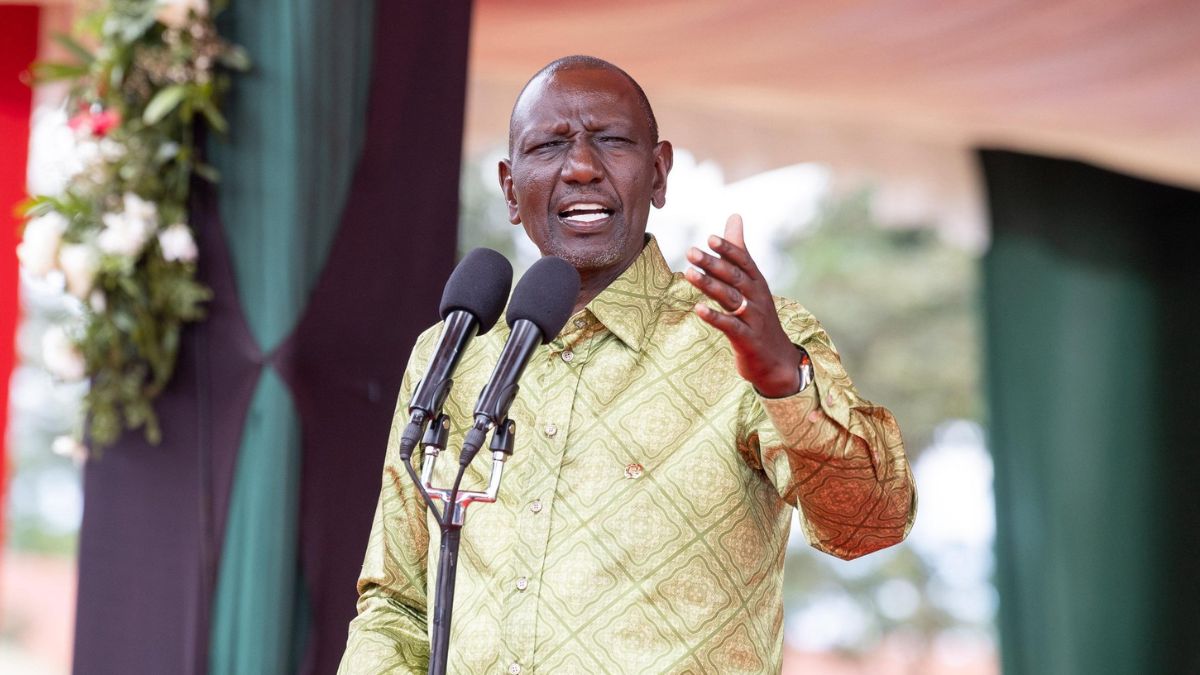
He urged Kenyans to compare fuel prices with countries at a similar economic level for a more accurate picture.
“If you want to compare Kenya fairly with others, compare Kenya with other middle-income countries,” he said.
Ruto also pointed to the country’s tax framework and the need to support a vast road network as key contributors to fuel pricing.
“Our fuel supports transport infrastructure,” he noted, highlighting that Kenya maintains over 20,000 kilometers of paved roads, with thousands more under construction.
“20,000 kilometers of tarmac is actually the same for the other six or seven East African countries combined,” he added.
The President further cited global factors, including instability in the Middle East, as contributors to rising fuel costs.
“I know there are situations that affect transport routes and logistics, escalating prices,” he said.
Ruto also commended Parliament for swiftly approving tax adjustments, including a reduction in VAT on fuel, which he said has helped ease prices.
“And that has significantly adjusted the prices downwards,” he said, adding that the government will continue to monitor the situation.