The Government has reiterated its commitment to bridging the digital divide through aggressive infrastructure investment and targeted policy interventions, emphasising a strategic transition from short-term digital pilots toward permanent national systems aimed at sustaining rural communities and youth-led innovation.
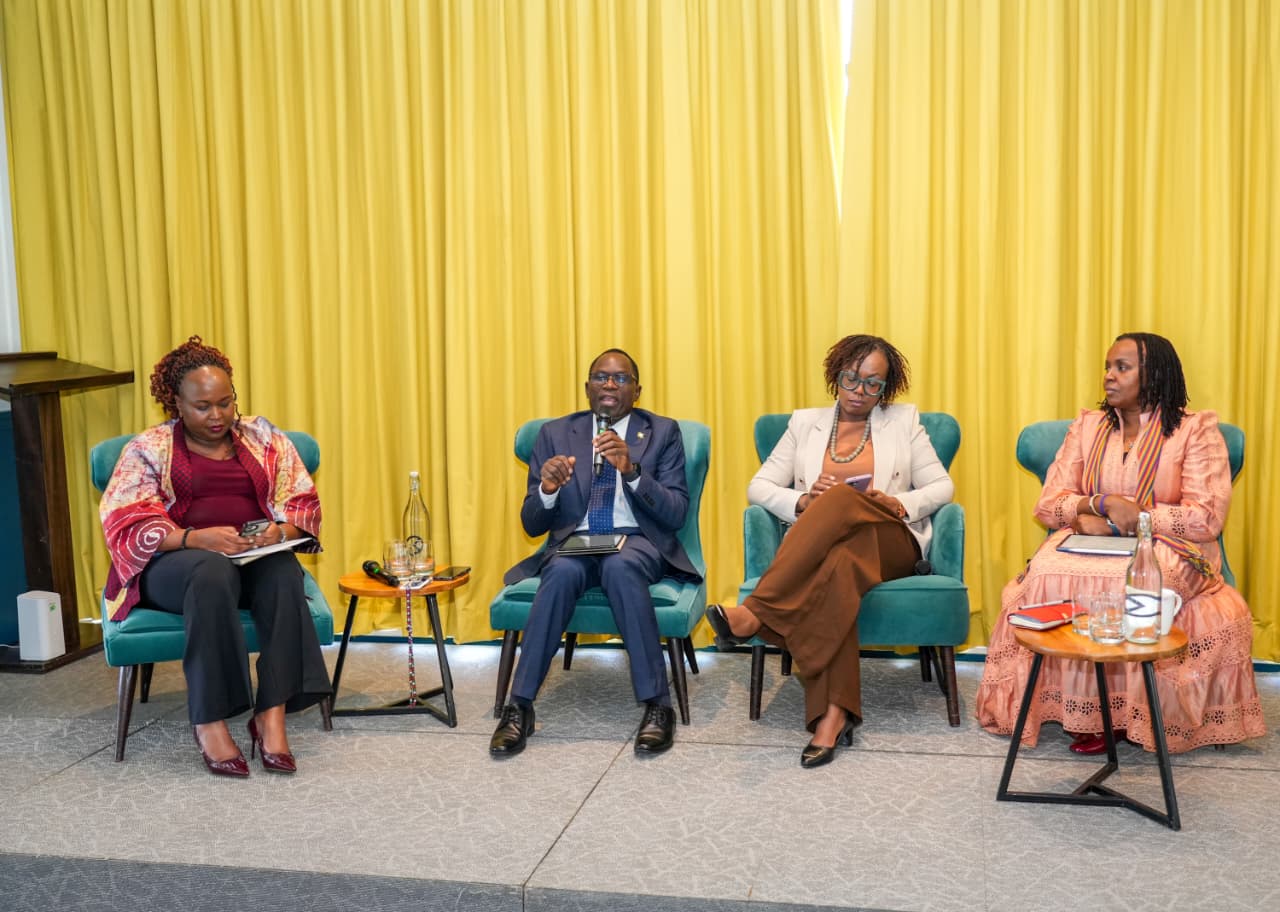
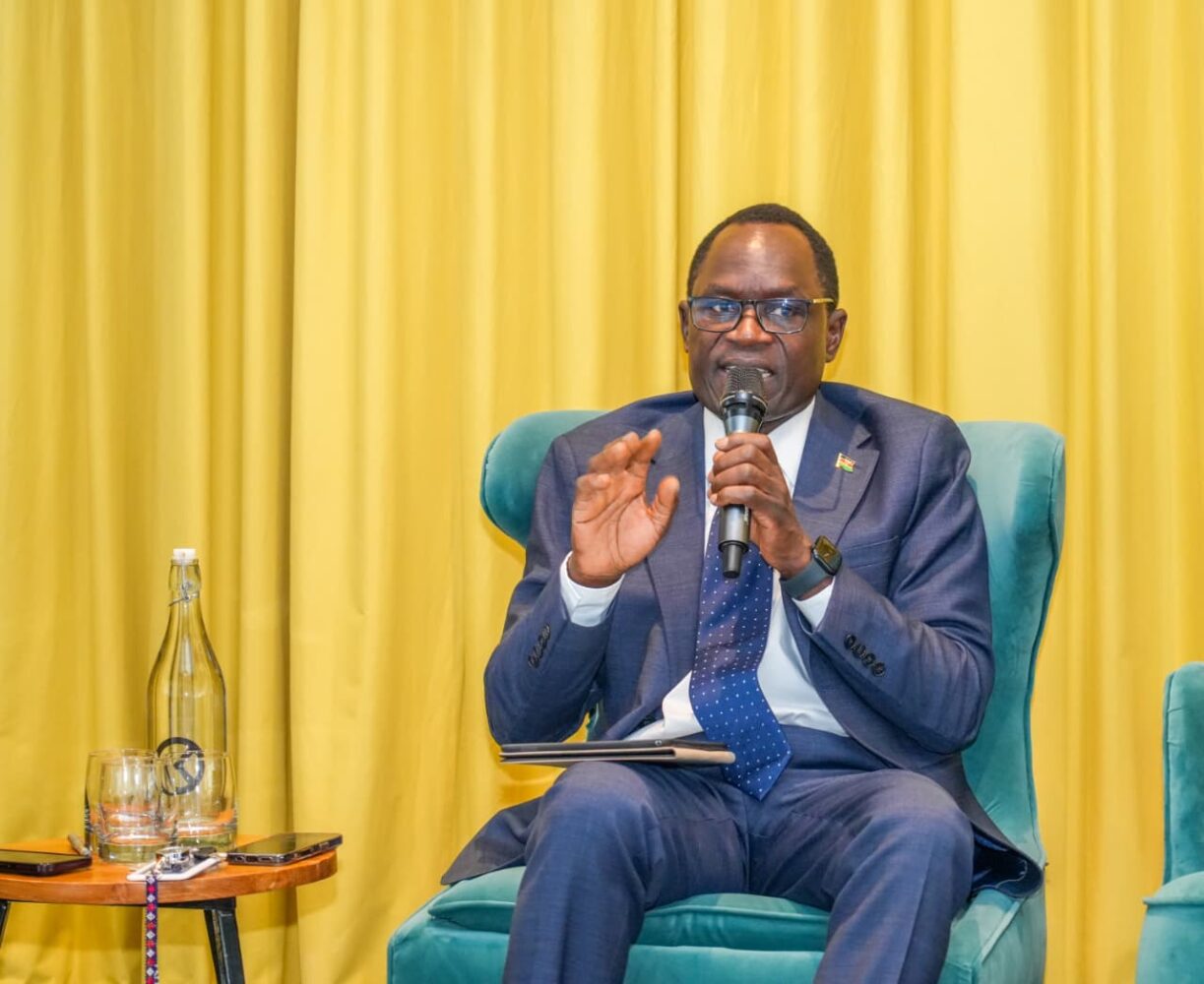
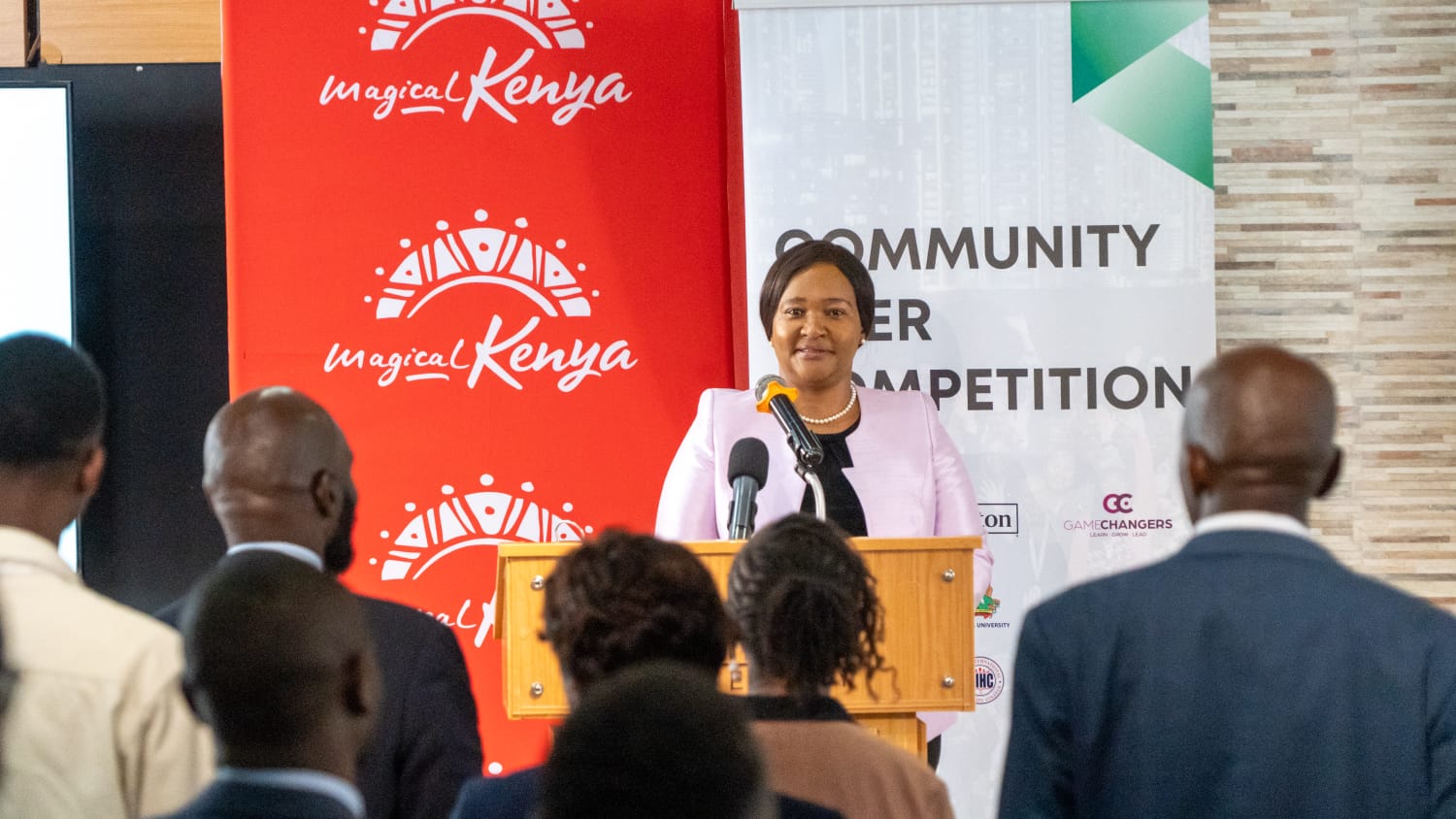
Broadcasting and Telecommunications Principal Secretary Stephen Isaboke affirmed this strategy on Tuesday, June 9 during a panel session at the Global Growth and Opportunities Leadership Team mid-year retreat, hosted by the Gates Foundation in Nairobi.
Addressing directors from the foundation’s Global Growth & Opportunity Division who are evaluating frameworks ahead of the organization’s 2045 end date amid declines in Official Development Assistance, PS Isaboke positioned Kenya as an infrastructure-enabling hub transitioning from aid dependency to transactional economic autonomy.
“In Kenya, digital connectivity is treated as a baseline public right, exactly like roads, water, or electricity rather than an urban or high-income commercial commodity,” said PS Isaboke.
He added that the national government directly funds the primary physical infrastructure, handling the heavy upfront financial burden that private telecom operators avoid due to low rural returns.
“Beyond physical connectivity, long-term sustainability relies heavily on human capital, community-driven solutions, and forward-looking governance frameworks. There is a need for sustained capacity building and AI readiness. We must be deliberate with pathways that grant the younger generation greater opportunities to lead, innovate, and shape the digital economy,” he stated.
Digital transformation remains one of the greatest opportunities of our time, he noted, adding that through collaboration and inclusive policies, the state will ensure no one is left behind. The PS acknowledged existing village-level bottlenecks, noting that local cash-liquidity shortages and long transit distances frequently force rural women into steep transaction fees and travel costs, turning digital transfers into a manual chore.
To bypass these barriers, he explained, “Kenya’s approach is based on the principle that digital public infrastructure becomes transformative when combined with inclusion measures,” adding that the state is deploying “shared access points through Huduma Centres and county facilities” alongside thousands of market-based Wi-Fi hotspots to bring the digital economy directly to the village center.
The complexity of this divide was highlighted during the retreat’s legal and advocacy frontier discussions by legal expert Maria Mbeneka, who urged development partners to examine how regional laws are operationalized.
“For the Gates Foundation, jurisdiction is key, as you have to check how laws are operationalized in different regions,” Mbeneka pointed out, adding that “when you think about women farmers, digital tools have been known to have excluded them” and that “we wanted a government that is responsive and takes up technology. The government now became so technologically savvy such as the SHA, eCitizen, ArdhiSasa platforms, but the citizens have been left behind.”
She called on the government to make it easier for all populations to access these innovations, while warning that “the government is perceived to be following money (tax) when they talk about digital transactions. This has made citizens shy away from them as they believe their own efforts and investments (phones,internet, etc.) are not being considered in any digital tax policydiscussions.”
To bridge these gaps under the Bottom-Up Economic Transformation Agenda (BETA), the Ministry ofInformation, Communications, and the Digital Economy has accelerated an extensive infrastructure rollout. The National Fiber Backbone Infrastructure has laid 80,633 km of a targeted 100,000 km of fiber-optic cabling, with public sector fiber accounting for 30,454 km.
To bypass delays, the state partnered with Kenya Power to run fiber along existing electricity grids to reach rural public facilities. Additionally, through the JiConnect Program, the government is targeting 25,000 free community hotspots to eliminate data costs for micro-traders, with 1,563 hotspots already operational inside open-air fresh produce markets like Githurai, Sikhendu, Kiminini, and Diani.
Highlighting the direct impact of these interventions, PS Isaboke said, “this allows women entrepreneurs to access e-commerce and price-discovery tools at zerocost. The state has also built the National Farmers Register to map millions of smallholders, ensure accurate subsidy distribution, and eliminate middle-tier leakage by dropping input e-vouchers and financial support directly intoverified profiles.”
On organic technology adoption by farmers using WhatsApp and USSD shortcodes, PS Isaboke noted that the paradigm has completely flipped from “happening despite the system to happening because of it.”
Under the Kenya Agricultural Data, Information, and Digital Policy, the government is transforming state-held agricultural, mapping, and meteorological databases into secure, open APIs via national data governance initiatives, allowing private sector agritech startups to legally plug into state data rails, verify user identities against the National Farmers Register, and scale safely at a national volume.
When challenged on how the state ensures the financial sustainability of platforms beyond donor cycles, PS Isaboke cited the eCitizen portal as the country’s premier benchmark, noting that the platform has scaled from 350 services in 2022 toover 23,000 digitized services today.
Crucially, the system is funded entirely by an integrated transaction fee that covers operational, hosting, and security upgrades without relying on donor funds or the exchequer. Furthermore, Kenya is pioneering public sector asset commercialization through the proposed National Data Governance Policy, which treats public data as a strategic national asset and a factor ofproduction.
This framework commercializes anonymized, aggregated non-personaldatasets through a state-run, council-managed data market place using tiered subscription models, where regional crop production data is sold to fintechs and insurers to price micro-insurance for smallholders, while aggregated transport and corporate data help developers spot economic growth hubs and fuel domestic artificial intelligence training models.
Recognizing that digital transformation fails without citizen buy-in, the panel focused on data governance and privacy as the bedrock of civic trust. “Data Meaningful compliance must transcend rigid regulatory checklists and be treated as a fundamental social responsibility. Data protection has a core element of trust. When you start talking about compliance, we have to talk about trust,” she said.
She urged the unpacking of trust to “ensure meaningful compliance” to ensure that it becomes a social responsibility, working based on values.
For compliance in the agricultural space, Commissioner Immaculate Kassait outlined three pillars: trust built through transparency and accountability, lawful processing, and consent managed through clear information when onboarding farmers/entrepreneurs, addressing the issue of what the information being collected is going to be used for.
Reaffirming this regulatory synergy, PS Isaboke explained that the ministry works hand-in-handwith the Office of the Data Protection Commissioner to bake privacy directly into the code of the Maisha Namba biometric framework via a privacy-by-designmodel.
“The ODPC actively audits public identity tracks, enforces access controls, minimizes dataretention, and provides localized consent logs,” said PS Isaboke.
He warned that “trust is lost if personal data is harvested without consent or if automated systems expose citizens to unregulated risks like predatory lending”. He emphasized that “any private platform tapping into national agricultural or financial data rails must prove compliance with the Data Protection Act(2019) before receiving API clearance.
By transitioning digital platforms into core, revenue-generating government functions protected by robust legislative guardrails, Kenya is establishing a blueprint for developing nations to achieve permanent, trusted digital inclusivity.
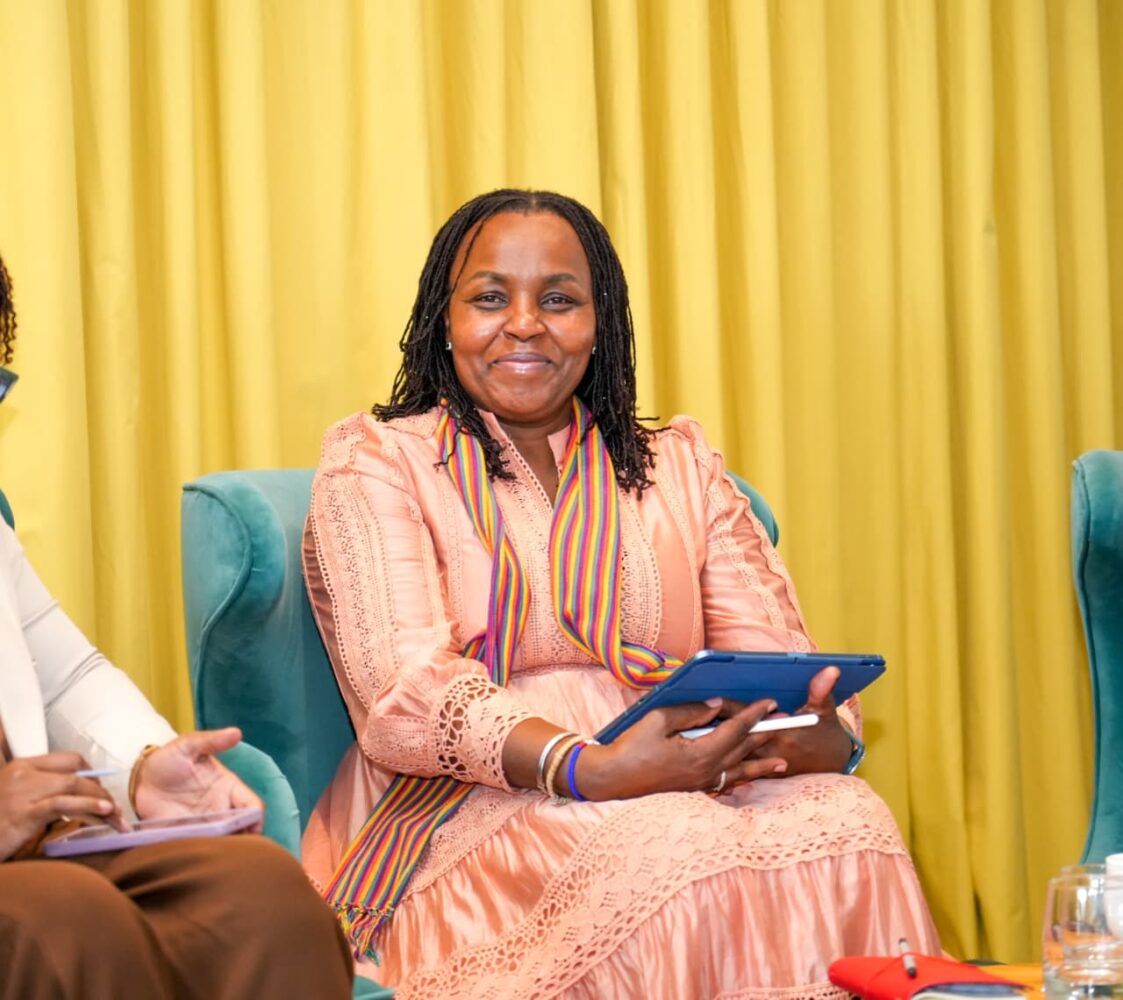
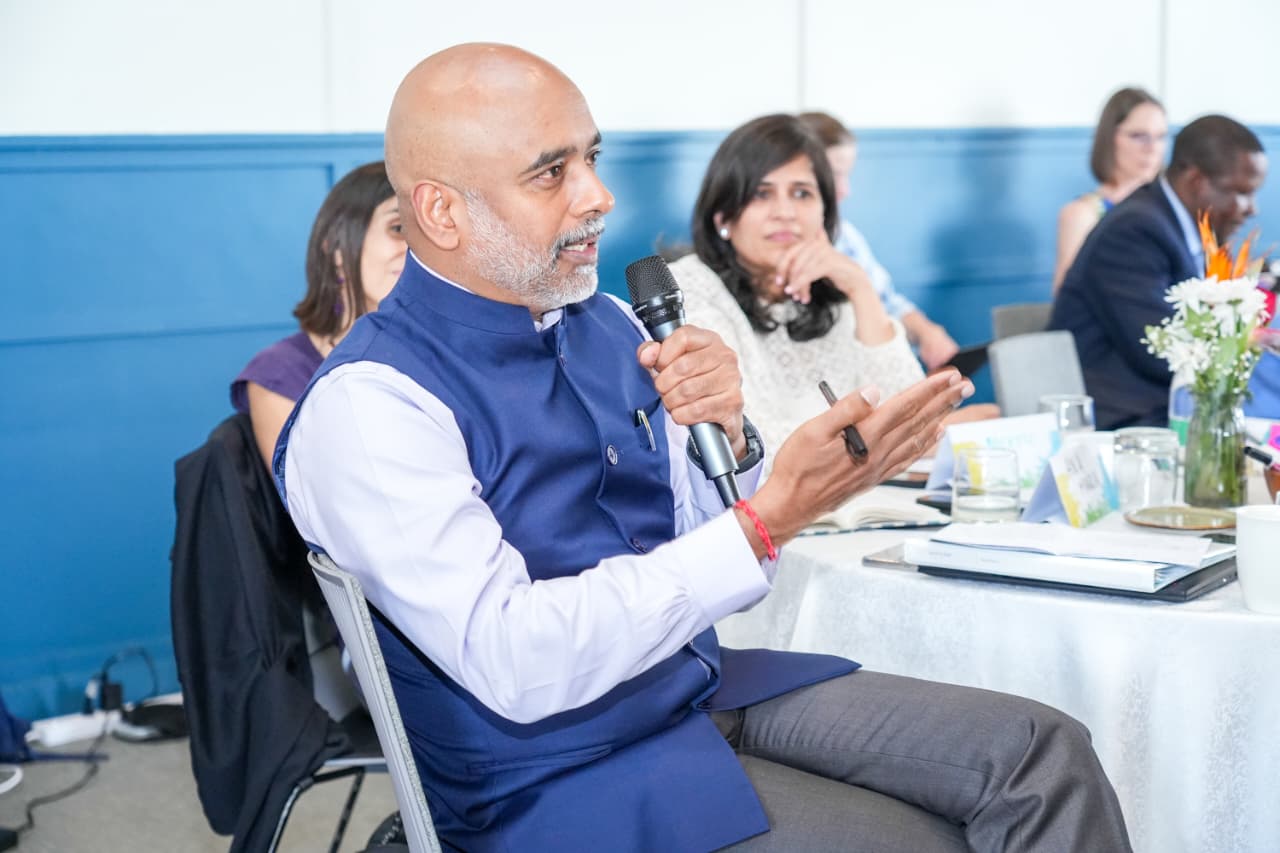
The high-level session brought together prominent continental and global figures in data governance, digital rights, and the private sector. Present was Hari Menon, the president of the Global Growth and Opportunity division at the Gates Foundation. The panel also featured the Data Protection Commissioner Immaculate Kassait, SC; Maria Mbeneka, a pan-African digital rights and data governance lawyer and Ory Okolloh, a partner at Verod-Kepple Africa Ventures, alongside other senior officials from the Foundation.