
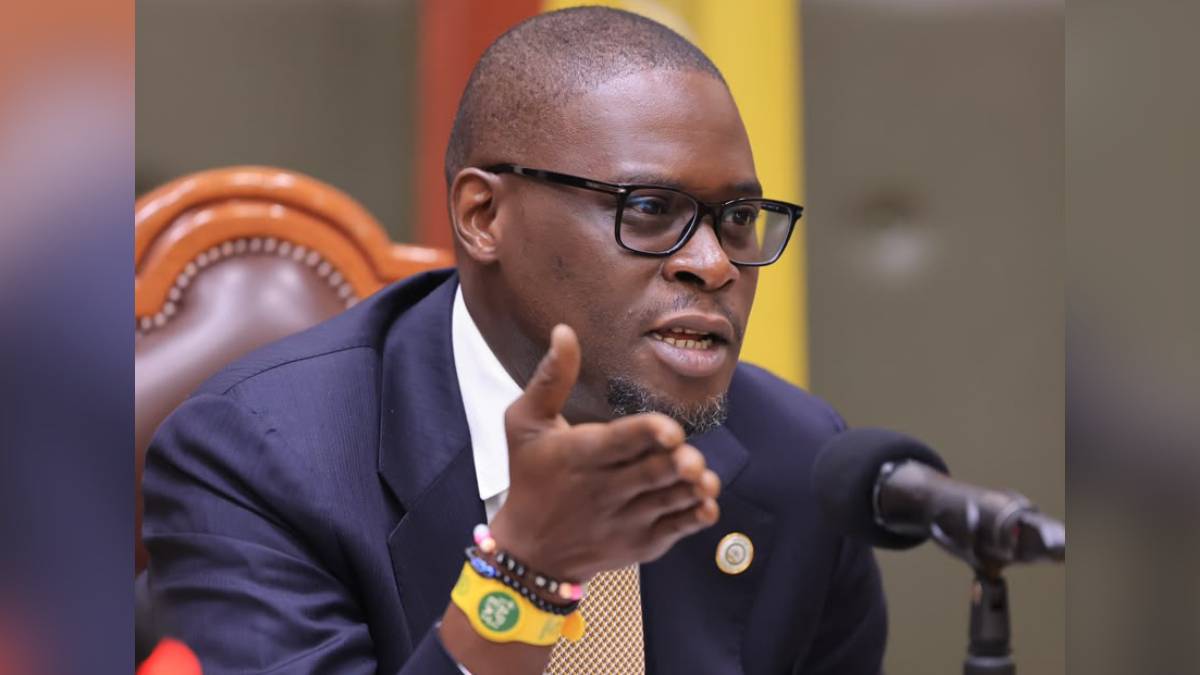
Nairobi Governor Sakaja Johnson has reported significant progress in the city’s El Niño preparedness efforts, revealing that 80 per cent of clearance and rehabilitation works along the Nairobi, Mathare and Ngong rivers have been completed.
Speaking during the National Development Implementation Committee meeting at the Kenya School of Government, where he presented Nairobi’s El Niño preparedness report, the Governor said infrastructure projects worth Sh5 billion were underway, covering road construction and rehabilitation, drainage systems, tarmacking and pedestrian walkways.
Sakaja said the projects, being implemented in collaboration with the Kenya National Highways Authority (KeNHA) and the Kenya Urban Roads Authority (KURA), were aimed at improving road infrastructure, enhancing drainage capacity and reducing flood risks across the capital.
“Infrastructure works worth Sh5 billion are underway in Nairobi, involving KeNHA and KURA. They include tarmacking, construction of drainage systems and walkways, among other interventions. We are optimistic that the ongoing works will continue before, during and after the El Niño rains to ensure the city is better prepared,” Sakaja said.
He noted that the projects were critical to improving road conditions, strengthening drainage systems and ensuring Nairobi was better equipped to cope with heavy rainfall.
The Governor identified Mombasa Road, Thika Road, Lang’ata Road, Ngong Road and Kangundo Road among the major roads requiring attention, noting that the works fall under national government road agencies.
He called for closer coordination between the national and county governments to ensure the timely implementation of infrastructure projects and the completion of critical interventions to minimise disruptions during the rainy season.
On river rehabilitation, Sakaja said county teams had made substantial progress through desilting, deepening river channels, removing obstructions and restoring riparian corridors along the Nairobi, Mathare and Ngong rivers.
The interventions are intended to improve water flow, clear waterways and reduce the risk of rivers overflowing during periods of intense rainfall.
He said completing the remaining 20 per cent of river clearance works would require sustained mobilisation of personnel, effective coordination among implementing agencies and continued implementation of outstanding drainage and infrastructure projects.
Sakaja maintained that river clearance and drainage improvements remained central to Nairobi’s flood preparedness, particularly in neighbourhoods vulnerable to flooding.
The Governor also called on the National Environment Management Authority (NEMA) to strengthen enforcement against plastic pollution, saying teams had encountered significant quantities of plastic waste while clearing rivers and drainage channels.
“In our efforts to clean and unclog the waterways and rivers, we have found a lot of plastic waste. We call upon NEMA to address this. Plastics were banned, but their use and disposal remain a challenge. This needs to be addressed,” he said.
He warned that indiscriminate disposal of plastic waste continued to obstruct drainage systems and undermine flood mitigation efforts, urging stronger enforcement and responsible waste disposal by residents and businesses.
The Governor emphasised that effective flood preparedness required sustained investment in infrastructure and collective responsibility in keeping the city clean and its waterways free of obstructions.
As the rains approach, Sakaja said the county would continue prioritising river clearance, accelerating road and drainage works and strengthening coordination between national and county government agencies.
He said the completion of 80 per cent of river clearance works marked significant progress in Nairobi’s preparedness efforts, adding that the remaining interventions needed to be expedited to protect residents, safeguard property and minimise disruptions during the rainy season.