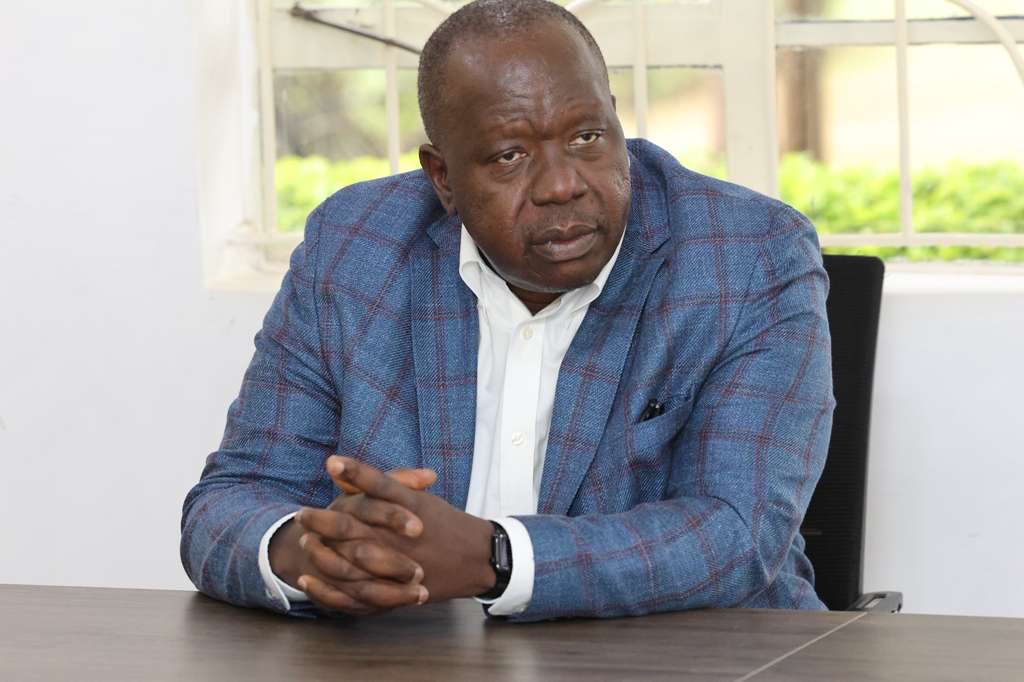


Bungoma Governor Kenneth Lusaka has emerged as Kenya’s best-performing governor in the latest TIFA Research Public Approval Ratings Survey 2026, cementing his growing reputation as one of the country’s most effective county leaders.
According to the survey, Lusaka leads the national rankings with a 70 percent approval rating, with residents praising his administration’s commitment to infrastructure development, healthcare expansion, market modernization, youth empowerment, and agricultural support programmes aimed at improving livelihoods across Bungoma County.
The TIFA survey reflects a growing shift among Kenyans towards performance-based leadership, where governors are increasingly being evaluated based on visible development projects, accountability, accessibility, and efficient service delivery rather than political rhetoric.
Narok Governor Patrick Ole Ntutu ranked second nationally with a strong 69 percent approval rating, followed closely by Kericho Governor Erick Mutai who secured 67 percent.
Kirinyaga Governor Anne Waiguru was ranked fourth with 66 percent, continuing to receive recognition for her administration’s investments in healthcare, agriculture, women empowerment, and service delivery programmes.
Garissa Governor Nathif Jama secured fifth position with a 65 percent approval rating, while Taita Taveta Governor Andrew Mwadime followed closely with 64 percent.
Uasin Gishu Governor Jonathan Bii Chelilim ranked seventh with 62 percent, reflecting growing public confidence in his county development agenda and economic empowerment initiatives.
Makueni Governor Mutula Kilonzo Jr. secured eighth place with 61 percent, while Murang’a Governor Irungu Kang’ata ranked ninth nationally with a 60 percent approval rating.
Lamu Governor Issa Timamy rounded off the top ten rankings with 59 percent, earning recognition for his continued efforts in improving tourism, infrastructure, and socio-economic development within the coastal county.
According to TIFA Research, the survey highlights the increasing importance of performance, accountability, and responsiveness in Kenya’s devolved governance system. The findings indicate that wananchi are becoming more informed and actively engaged in evaluating the effectiveness of county leadership through tangible development outcomes and consistent engagement with the public.
The report further underscores the growing pressure on governors to deliver meaningful development, attract investment, improve public services, and implement sustainable programmes that directly improve the lives of ordinary citizens.