
Training and supply gaps are hampering efforts by Community Health Promoters (CHPs) in Bungoma County to provide households with accurate family planning information and link clients to health facilities for contraceptive services, raising concerns over access to informed reproductive health choices.
CHPs are often the first point of contact between households and the health system, providing health education during home visits, identifying clients in need of services and referring them to health facilities.
However, some CHPs say inadequate refresher training, delayed payments and shortages of family planning commodities at health facilities are making it difficult for them to effectively support communities seeking contraceptive services.
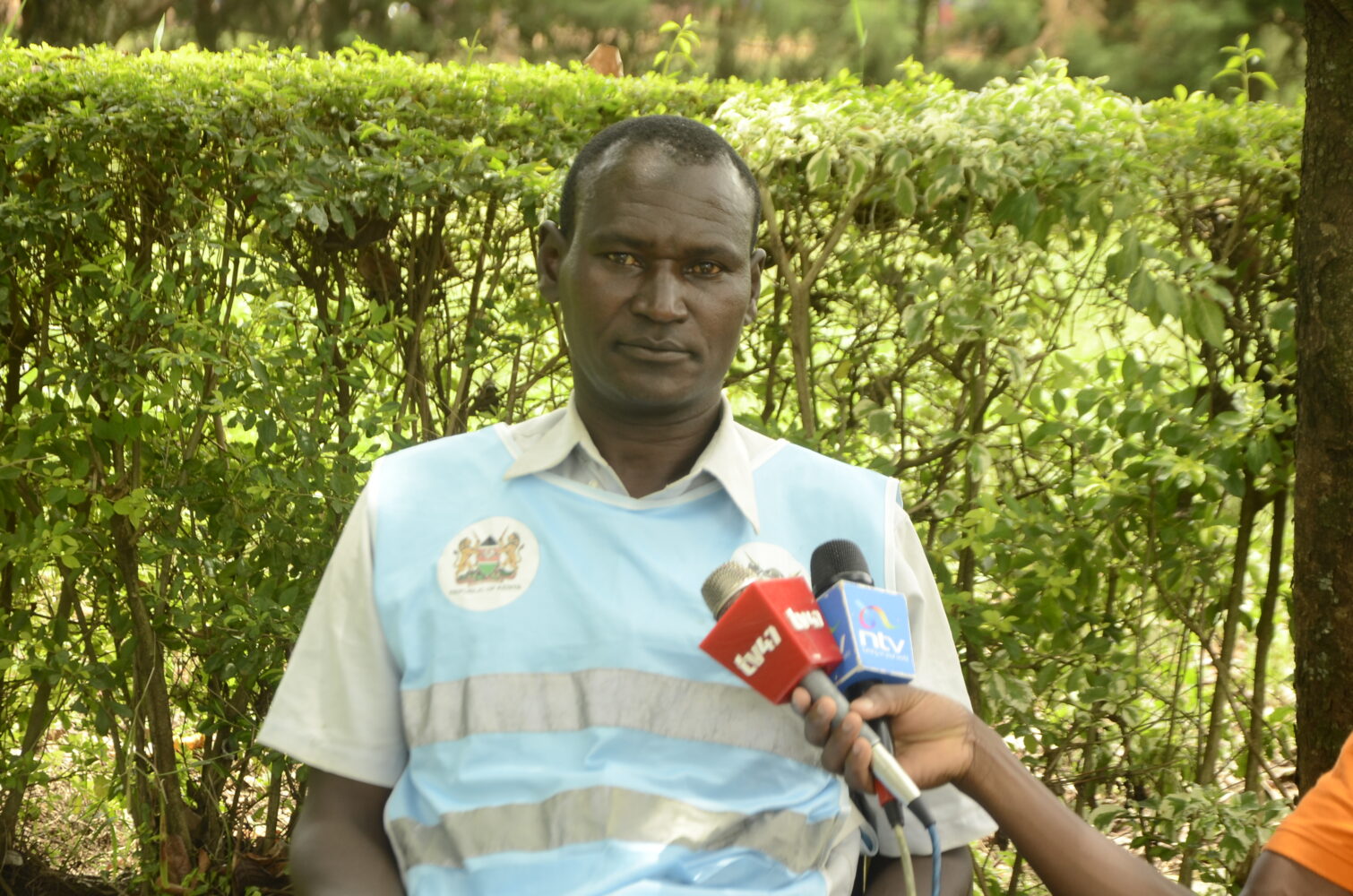
Speaking during World Contraception day, Benedict Kusimba, a CHP attached to Mechimeru Model Health Centre, said family planning is important in helping individuals and couples determine the number and spacing of children according to their circumstances.
Kusimba said he has been at the frontline of providing family planning information to households within his area, helping couples understand available options and make informed decisions.
“Family planning plays a critical role in the families’ development and growth. It helps control the number of children one would have,” he said.
He said family planning education is important in addressing teenage pregnancies, adding that CHPs engage young people with information on reproductive health and encourage them to make responsible choices.
“Bungoma is one of the counties that is grappling with teenage pregnancies. That is why, as CHPs, we have taken the frontline in our communities sensitizing sexually active teenagers to abstain or use condoms in their engagements to reduce the rate of unwanted pregnancies,” Kusimba said.
Kusimba said although CHPs have received training on family planning methods, there is a need for regular refresher training to keep them updated on available contraceptive options and appropriate counseling and referral approaches.
Kusimba who serves 110 households said many community members have embraced family planning services, although myths and misconceptions about contraception remain a major challenge.
He said some clients still require detailed counseling before accepting particular contraceptive methods because of fears surrounding side effects and misinformation circulating within communities.
Kusimba also raised concerns over delayed payments to CHPs, saying the delays affect their ability to conduct household visits and provide services effectively.
“Sometimes they take long to pay us, yet we need to move around the community and educate the community about family planning. Even our gadgets need data bundles for us to feed in information,” he said.
He called on the government to ensure CHPs receive their payments on time to enable them to continue reaching households and reporting community health information.
Jacqueline Sifuna, a CHP serving Mutomolo village, said closely spaced pregnancies remain a concern among some families in her area.
Sifuna, who serves 101 households, said short intervals between pregnancies could place additional health and financial pressure on mothers and families, particularly where households have limited resources.
“There is a case I experienced in my community where a mother was giving birth after every one year and her health and the babies were at risk,” she said.
She also identified opposition from some men as one of the barriers preventing women from accessing family planning services.
Despite the challenges, Sifuna said uptake of family planning is growing in her area, with more than 50 women of reproductive age among the households she serves having embraced family planning.
She said continued household-level education is necessary to address misconceptions and encourage couples to discuss family planning openly.
Dr. Walter Obita, Country Director of MSI Reproductive Choices Kenya, noted that World Contraception day provides an opportunity to celebrate the transformative power of reproductive choice while highlighting the urgent need for action.
“World Contraception Day is an opportunity to celebrate the power of reproductive choice and recognize what access to contraception makes possible for women, girls and their families. But celebration must go hand in hand with action. With contraceptive supplies under increasing pressure, we urge leaders to recognize the essential role that contraception plays in protecting health, expanding opportunities and supporting women to thrive,” he said.
He affirmed that access to contraception doesn’t just change one life, it changes the world. That’s why, this World Contraception Day, MSI Reproductive Choices Kenya is calling for leaders to protect and increase funding for contraceptive supplies, help meet growing global demand and ensure everyone can make decisions that are right for them and their families.
“We urge the government and donors around the world to heed our call and help close the funding gap for contraceptive supplies. Reproductive choice is fundamental to women’s health, rights and equality, and we will continue to advocate for change until this becomes a reality,” added Dr. Walter Obita.
Rebecca Otieno, a nursing officer in charge and family planning expert at Mechimeru Model Health Centre, said the facility serves a population of about 25,920 people and provides a range of family planning services.

The services include implants, intrauterine contraceptive devices (IUCDs), both hormonal and non-hormonal, injectable contraceptives and oral contraceptive pills.
Otieno said CHPs play an important role in creating awareness about family planning and referring clients to the facility for further counseling and services.
“The CHPs linked to this facility, when they go out, they talk about birth preparedness and family planning. Even those who have given birth, they talk to them about health messages on family planning,” she said.
She said CHPs also help identify clients who need services during household visits and encourage them to seek care at health facilities.
“CHPs play a critical role in referrals to the health facilities,” Otieno said.
However, she said the effectiveness of community sensitization was being affected by shortages of contraceptive commodities at the facility.
For the past three months, Otieno said, facilities in Bungoma have experienced a stock-out of several family planning commodities, leaving IUCDs as one of the available options despite many clients preferring other methods.
“We are currently grappling with a shortage of family planning commodities, so it has been a challenge to some of our clients because when they come, we counsel them before they make an informed choice for the method they want to use,” she said.
Otieno said implants, which she identified as the most commonly used family planning method at the facility, were currently unavailable.
For the time being, Otieno said health workers were encouraging clients to consider available options, including condoms and abstinence, while waiting for supplies of other contraceptive methods.
She stressed the importance of ensuring that clients receive accurate information and are allowed to make informed choices based on available family planning options.
Otieno also called for more training for CHPs and health workers to strengthen family planning counseling at community level.
She commended MSI Reproductive Choices, formerly Marie Stopes, for previously supporting training for CHPs and some family planning service providers.
However, she said the training was conducted some time ago and that there was a need for refresher sessions to equip CHPs with knowledge about updated family planning methods and counseling approaches.
“Some CHPs have not been empowered and some have not gone through the family planning packages,” she said.
Otieno urged partners working in reproductive health to support the county by providing additional training and technical support for CHPs.
She said strengthening the knowledge of CHPs would help ensure that households receive accurate information before being referred to facilities for contraceptive services.
“Onboarding more partners to support CHPs in terms of adding them more knowledge on family planning methods is important,” she said.