
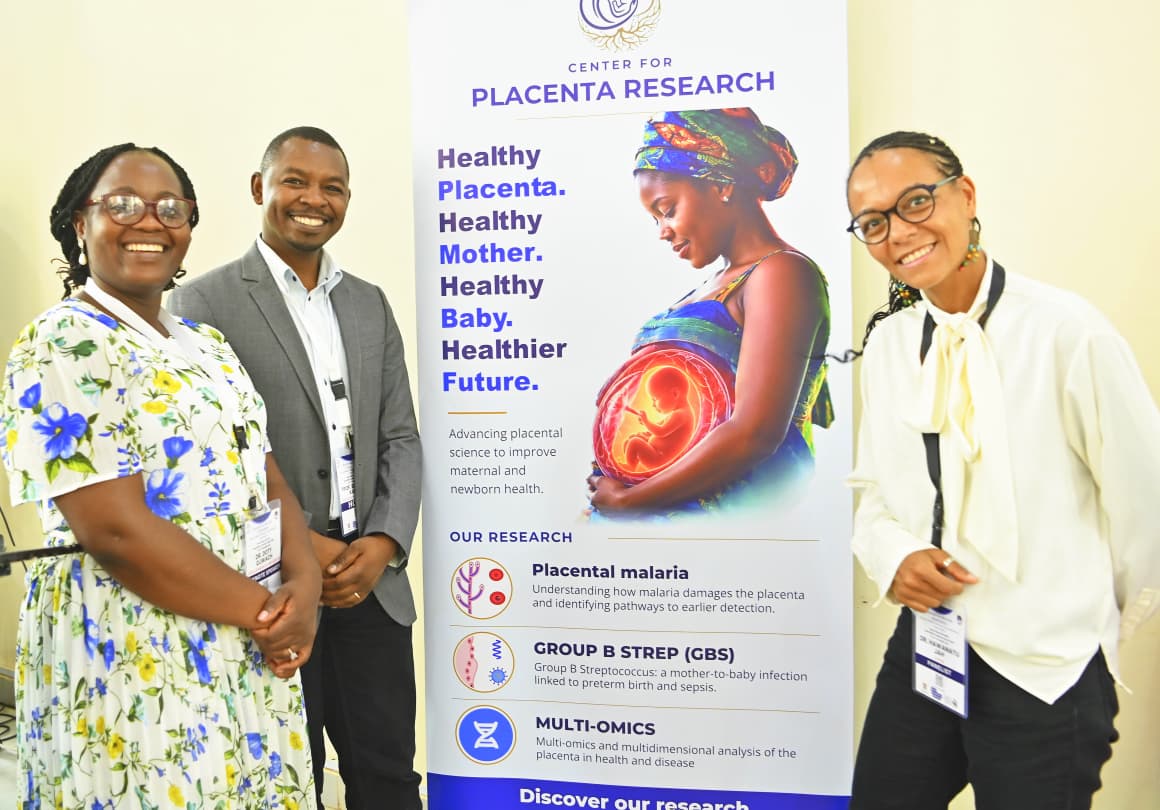
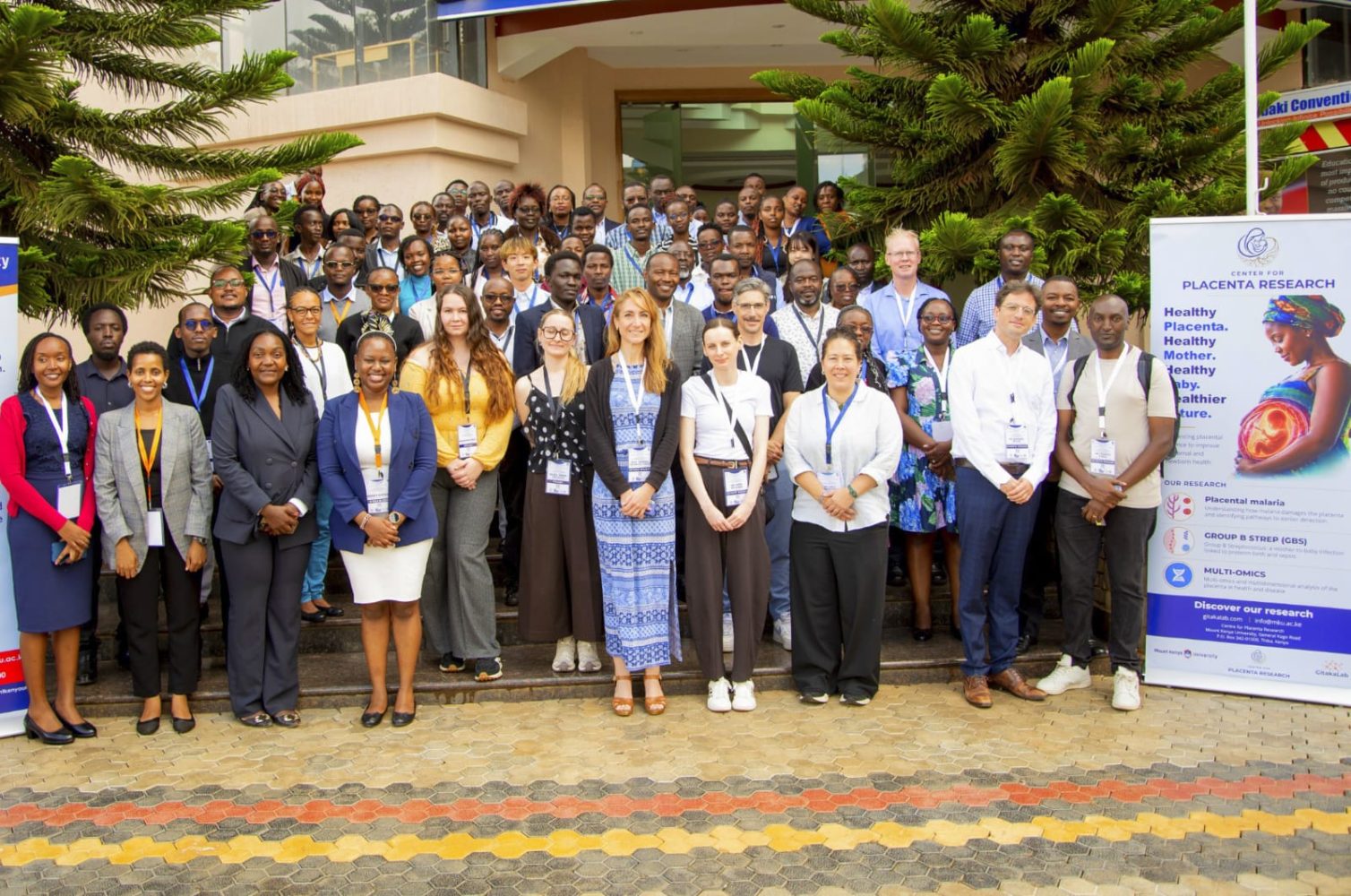
Researchers and health professionals from across the world gathered at Mount Kenya University (MKU) for a two-day symposium on placental health, infections during pregnancy and ways to improve outcomes for mothers and babies.
The Placental Health Symposium 2026, held on November 5 and 6 at the Mwai Kibaki Convention Centre, was themed “Placental Health and Infections: From Mechanisms to Interventions.” MKU organised the meeting in partnership with the London School of Hygiene & Tropical Medicine, the Max Delbrück Center in Germany and the University of Cambridge.
The symposium brought together specialists from more than a dozen institutions in Africa, Europe and Australia to discuss infections including malaria, HIV and Group B Streptococcus, as well as maternal and infant immunity, diagnosis and genomics.
Opening the symposium, MKU physician-scientist Professor Jesse Gitaka described the placenta as “the first organ any of us ever had”, but one that is often discarded after birth without further examination.
“The health of the placenta determines whether a baby is born alive, on time and at a healthy weight,” he said, adding that malaria, HIV, cytomegalovirus, Group B Strep and anaemia can all affect the placenta.
Prof. Gitaka, who directs MKU’s Centre for Malaria Elimination and Centre for Research in Infectious Diseases, said the programme aimed to connect laboratory research with clinical practice, particularly in settings where infectious diseases place a heavy burden on maternal and child health.
His placental malaria research programme in Bungoma County began in 2018. In 2025, he received a Wellcome Discovery Award to investigate molecular pathways of placental malaria. MKU established its Centre for Placenta Research in July 2026.
His team has also studied how the body’s natural defenses work inside the womb during pregnancy, with findings expected to protect expecting mothers as well as inform future vaccine research. Prof. Gitaka has also worked on rapid tests for infections in pregnancy. He was part of the MKU–University of Hull team whose IFAST maternal-infection diagnosis won the Kenya Newton Prize in 2020.
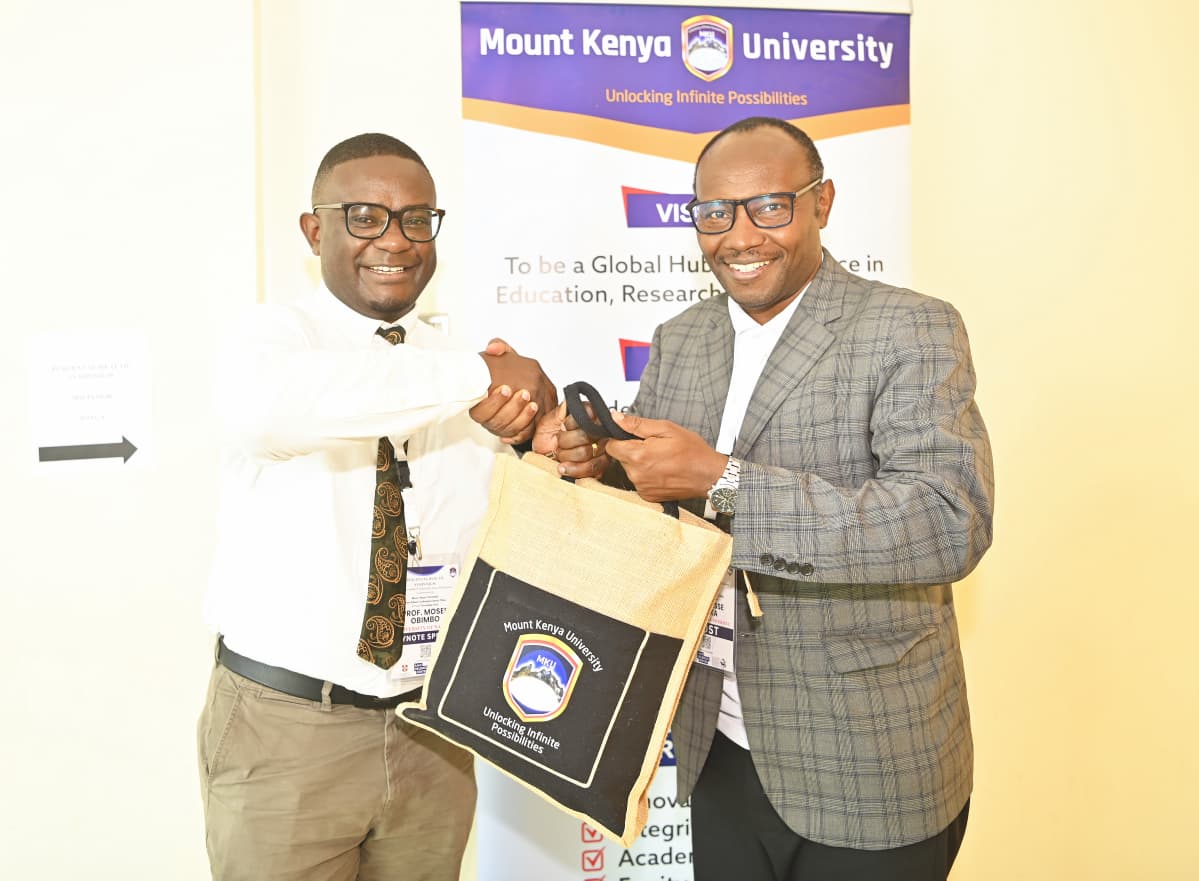
University of Nairobi clinician-scientist Professor Moses Obimbo Madadi called for greater collaboration and investment in women’s health research, saying maternal health can influence outcomes across generations.
Presenting findings on HIV and malaria co-infection, Prof. Madadi said the conditions can contribute to placental inflammation, reduced oxygen supply and a higher risk of preterm birth. Using light and electron microscopy, his team observed abnormalities in placentas from women living with HIV who were receiving antiretroviral treatment, including syncytial knotting, fibrin deposits, villous necrosis and inflammatory cells.
Further analysis of cytokines, the vaginal microbiome and metabolites is helping researchers identify inflammatory patterns and possible targets for preventing adverse pregnancy outcomes, he said.
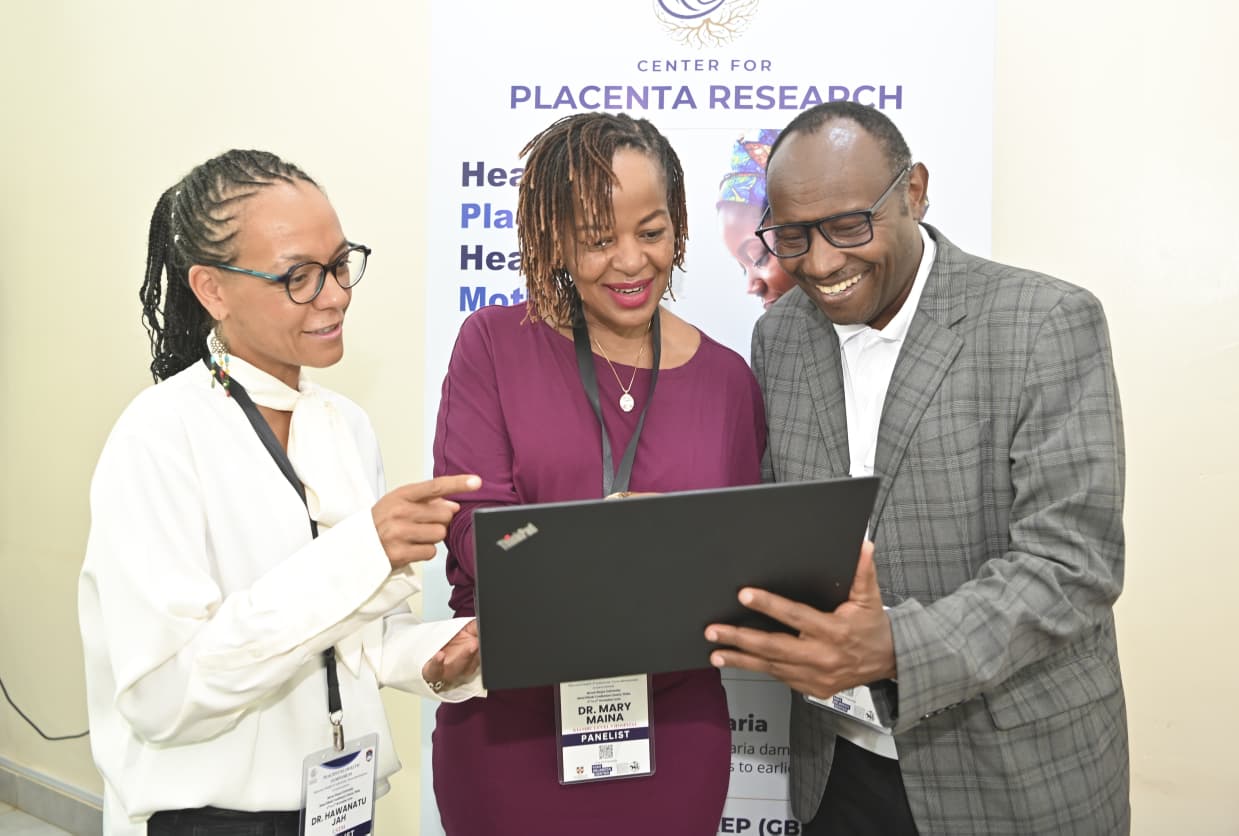
Dr Mary Maina, an obstetrician-gynaecologist in Kiambu County and co-founder of the Intercounty MPDSR Initiative, urged health providers to tailor antenatal care to each woman’s risk. Early assessments, she said, could help identify women who need closer monitoring, including those at risk of complications such as pre-eclampsia.
Dr Maina also called for health workers to examine and document placentas after preterm births and other adverse pregnancy outcomes. She said clinicians and midwives needed training to identify normal and abnormal placental features, alongside clear guidance on when further investigations are needed.
Regional referral hospitals could establish specialist placental assessment centres, she said, while health teams should learn from “near-miss” cases, including newborns who survive severe infections, to help prevent similar outcomes.
Dr Hawanatu Jah, an obstetrician-gynaecologist and visiting scientist at the Kenya Medical Research Institute, said HIV care had shifted from treatment delays based on CD4 thresholds to a “test-and-treat” approach. New challenges are emerging as children exposed to HIV and antiretroviral treatment grow into adulthood and have families of their own, she said.
Speaking about the PRECISE pregnancy cohort, launched in 2019 in The Gambia, Kenya and Mozambique, Dr Jah said researchers had followed more than 8,000 women and nearly 6,000 children. The study examines pregnancy complications and their effects on child development and mothers’ mental health.
She cautioned that using low birth weight alone to identify vulnerable newborns could miss babies born preterm or small for their gestational age. Antenatal screening and fetal monitoring are also important in supporting maternal and child health, she said.
Dr Ricardo Ataide, a senior research fellow at the Walter and Eliza Hall Institute in Australia, said researchers at the symposium discussed how iron levels may influence malaria infection during pregnancy, including evidence that iron deficiency could offer some protection.
He described how concerns raised by iron supplementation trials, including the Pemba study in Tanzania, had prompted debate, while intermittent preventive treatment in pregnancy had been used successfully.
Other keynote speakers included Professor Amanda Sferruzzi-Perri of the University of Cambridge; Dr Angela Koech of Aga Khan University; Professor Taane Clark and Dr Nina Billows of the London School of Hygiene & Tropical Medicine; and Dr Emanuel Wyler of the Max Delbrück Center.
The programme also featured Professor Doty Ojwach of Stellenbosch University, and MKU researchers Professor Bernard Kanoi and Dr Francis Kobia. Thursday’s sessions focused on the mechanisms linking infection and placental health, while Friday’s discussions considered interventions and research priorities for healthier pregnancies. A closing session aimed to shape a shared research agenda for placental health in Africa.
MKU Vice-Chancellor Professor Deogratius Jaganyi said the university would continue investing in the training of healthcare professionals, adding that a country’s advancement was closely linked to the health of its people.
“The bottom line is that we need to train more doctors, nurses, clinicians and other healthcare professionals. This is where MKU and other institutions of higher learning come in,” he said.
MKU is also working with Hochschule Koblenz – University of Applied Sciences in Germany on a programme that trains Kenyan students and offers placements in Germany’s healthcare sector. More than 100 healthcare professionals have secured paid apprenticeships through the initiative.
The university has also announced plans for a cancer research and teaching facility in Thika as part of its 2020–2029 Strategic Plan.