Public universities are facing a funding deficit of nearly Sh29 billion, with Technical and Vocational Education and Training (TVET) institutions also grappling with billions of shillings in unmet funding needs, exposing the growing financial strain on Kenya’s higher education sector.
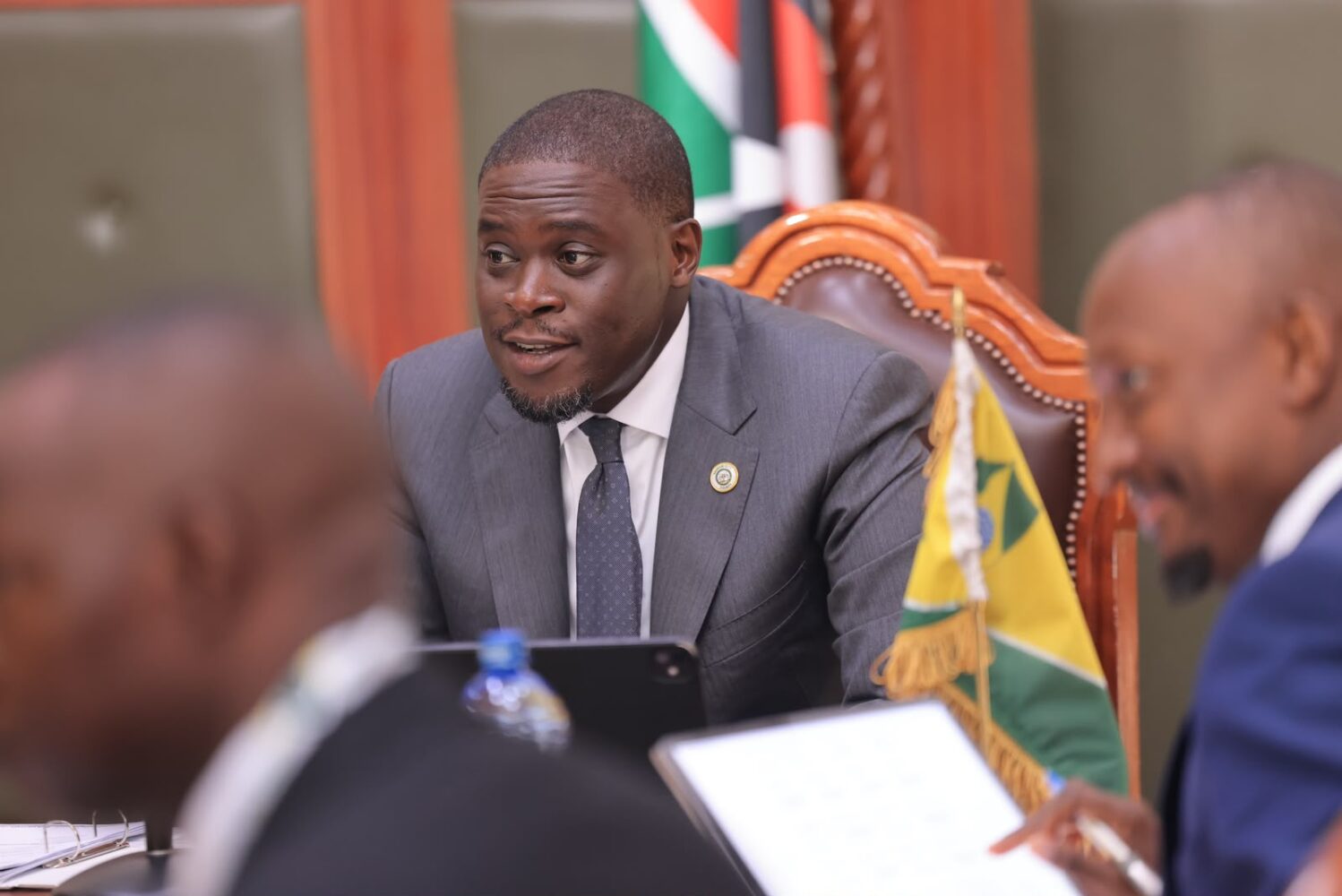
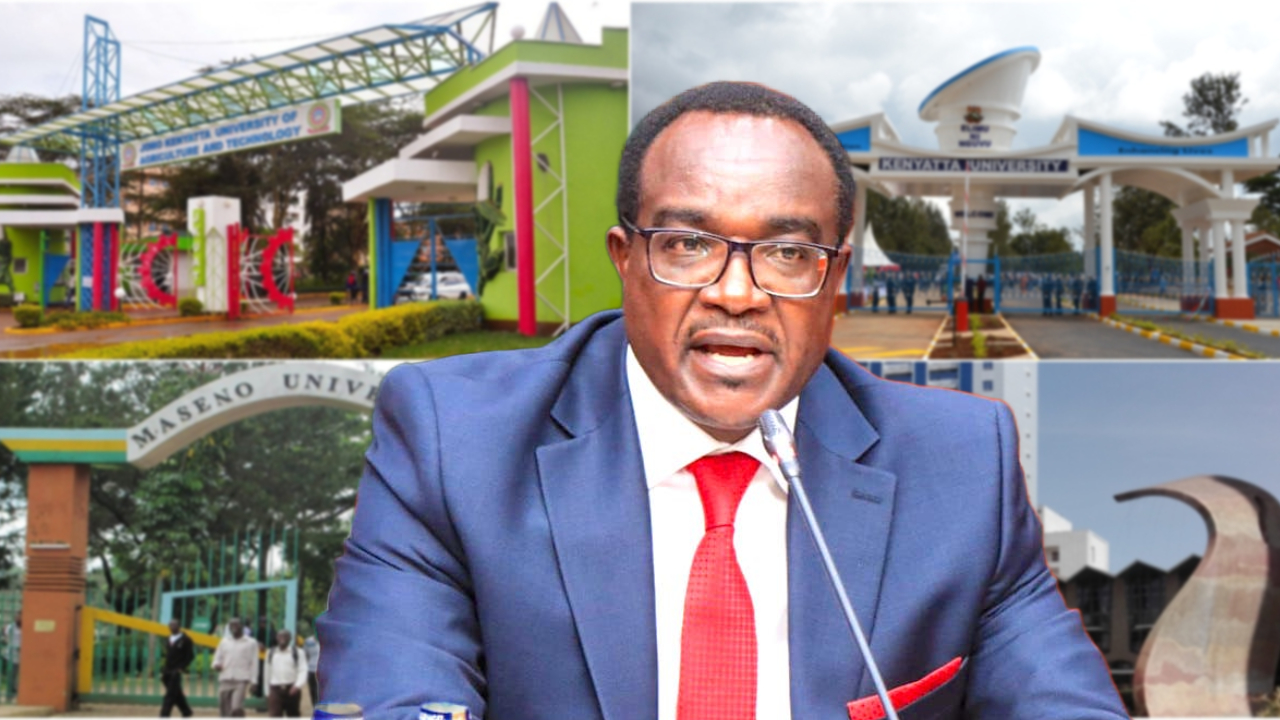
The funding crisis came to light when Education Cabinet Secretary Julius Ogamba appeared before the National Assembly’s Public Investments Committee on Governance and Education to explain the state of financing for universities and TVET institutions.
Addressing the committee, Ogamba attributed the shortfall to inadequate budget allocations, saying institutions are operating with significantly less funding than required to sustain scholarship and grant programmes.
“Public universities are operating with a significant funding deficit after the sector received far less than it required,” Ogamba told the committee.
According to the Ministry of Education, under the student centered Funding Model, the government required Sh29.9 billion to finance university students but received only Sh18 billion, leaving a deficit of nearly Sh12 billion.
The ministry further disclosed that students continuing under the previous funding model are facing an additional Sh17.4 billion funding shortfall.
In total, public universities required Sh70.3 billion for scholarships and grants during the financial year but received only Sh41.2 billion, resulting in an overall funding gap of Sh28.9 billion.
The committee also heard that the crisis extends to the TVET sector, where scholarship funding remains significantly below demand.
Lawmakers expressed concern over declining enrolment in Technical and Vocational Education and Training institutions, linking the trend to inadequate capitation and delays in the disbursement of financial support to students.
Members of the committee observed that insufficient funding and delayed financial assistance are discouraging many learners from enrolling in TVET institutions.
Beyond student financing, Members of Parliament raised concerns over stalled infrastructure projects, cases of land encroachment, and governance challenges affecting public universities.
Some legislators questioned the government’s spending priorities, arguing that while billions of shillings continue to be allocated to political activities, institutions of higher learning remain underfunded.
Lawmakers questioned the government’s priorities, saying universities continue to struggle financially despite substantial public spending in other areas.
The committee maintained that the debate should not only focus on the billions of shillings required to bridge the funding gap but also on whether the resources already allocated are being utilised effectively.
“The challenge facing higher education is no longer just about the billions that are missing, but whether the billions already allocated are delivering value,” a committee member noted.
The session underscored the growing financial pressure facing higher education institutions as universities and TVET colleges seek sustainable funding to support access, infrastructure development, and quality learning.