
Sustainable peace is not built solely through government policies or formal peace agreements. It begins in homes, schools and communities, where ordinary citizens choose dialogue over division and understanding over conflict.
This central message ran throughout a series of peace initiatives recently held in Nairobi by the International Women’s Peace Group (IWPG) underscoring the growing recognition that women are key agents in building and sustaining peace.
IWPG is an international non-governmental organization registered with the United Nations Economic and Social Council (ECOSOC), the United Nations Department of Global Communications (DGC), and the Ministry of Gender Equality and Family of the Republic of Korea.
The organization currently operates in 122 countries through 115 branches and collaborates with more than 900 partner organizations across 68 countries, promoting women’s peace education and the spread of a culture of peace worldwide.
On June 28, IWPG hosted a participatory peace program titled “Peace Begins with Me, A Culture of Peace We Build Together” in Nairobi.
The event brought together approximately 200 Kenyan women to discuss practical approaches to peacebuilding within families, schools, and local communities.
Unlike traditional lecture-based formats, the program was designed as a participatory dialogue in which all attendees actively shared their experiences and perspectives. Discussions highlighted the role of women in strengthening families, connecting communities, preventing conflict, and fostering cultures of mutual respect.
“Peace is not something given to us by others. It is something we create ourselves. When women are connected and speak with one voice, positive change begins in the community,”
Participants also engaged in discussions on local social challenges, including community conflict, economic hardship, and the lived realities faced by women and children.
There was broad consensus that peace is not merely the absence of conflict, but an active process of building understanding, respect and shared responsibility.
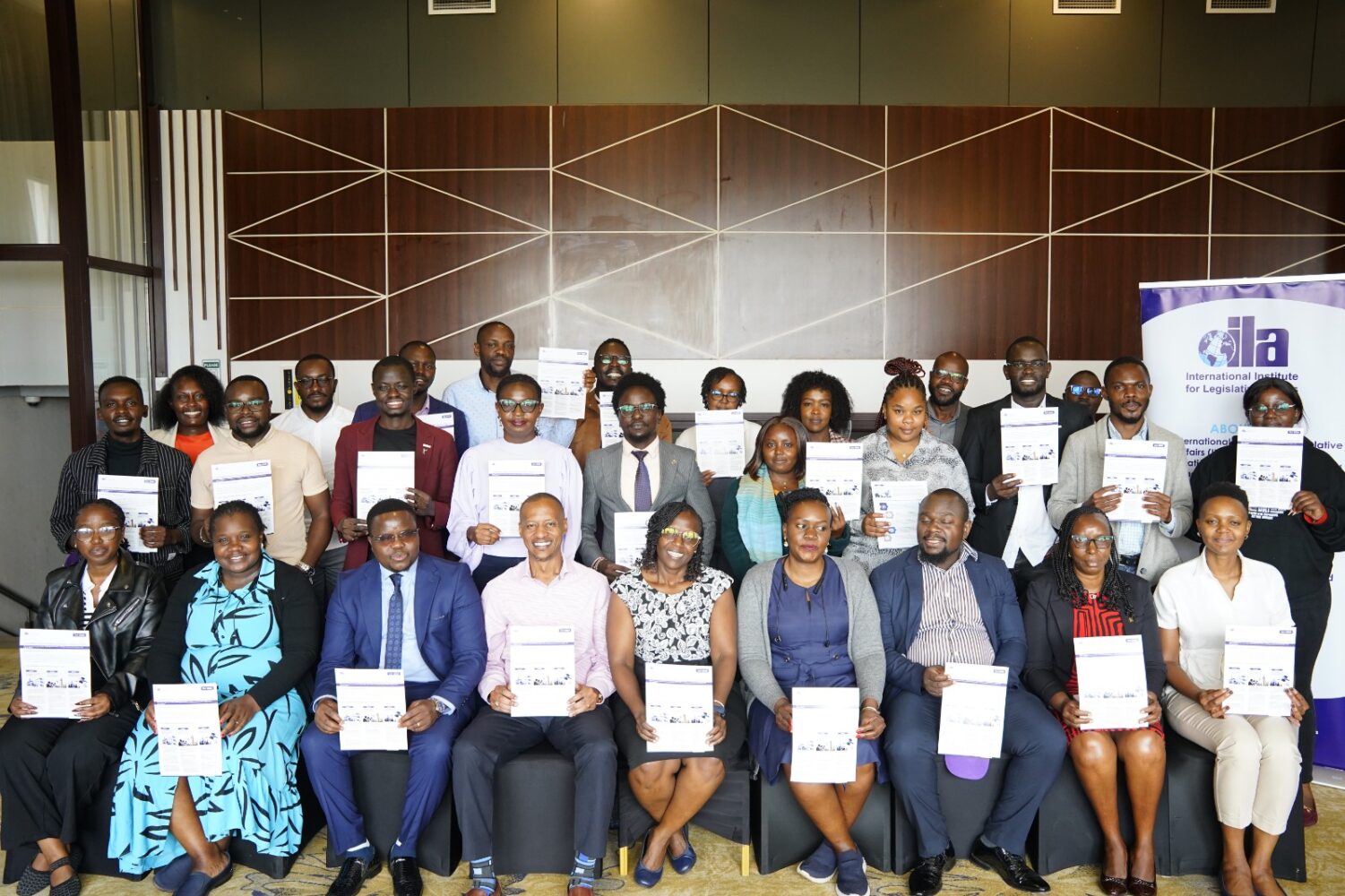
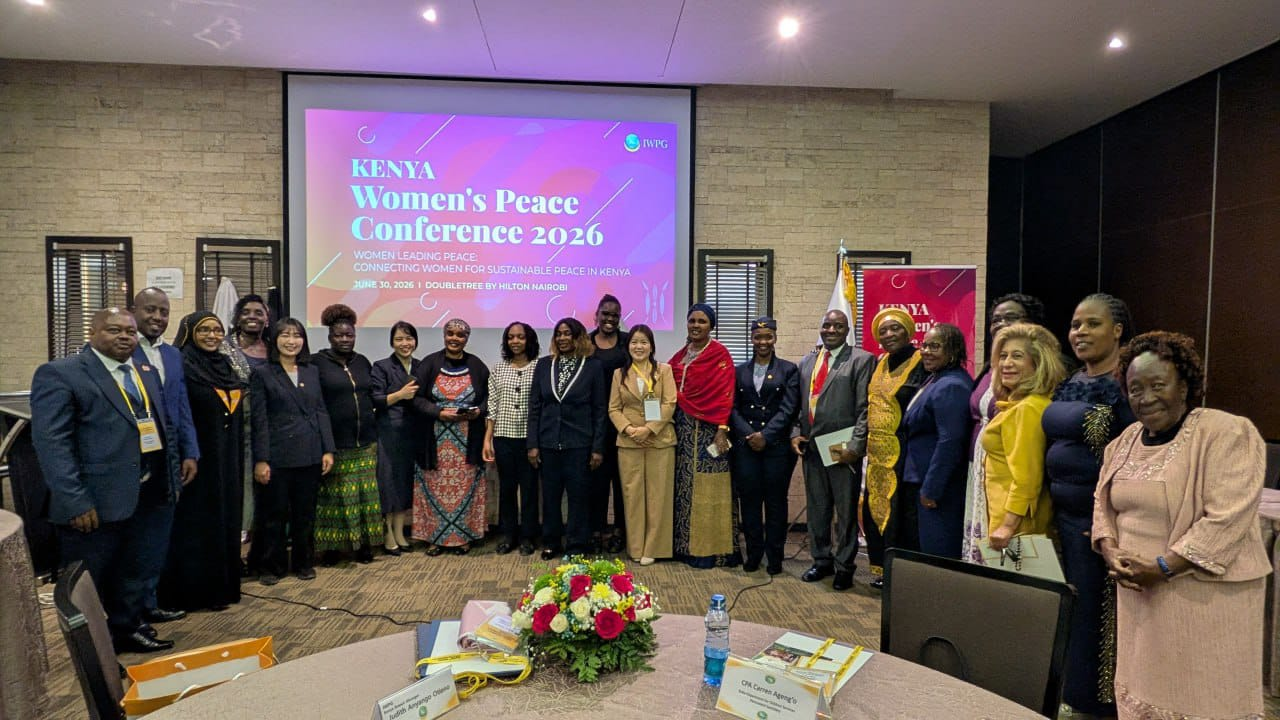
Building on these discussions, IWPG convened the Kenya Women’s Peace Conference on June 30 at the Double Tree by Hilton Nairobi under the theme “Women Leading Peace: Women’s Solidarity for Sustainable Peace in Kenya,”
The conference brought together government officials, Members of Parliament, representatives from the National Cohesion and Integration Commission (NCIC), civil society organizations, peace practitioners, youth leaders, education experts, and community stakeholders.
Participants examined the contributions of women across education, community leadership, conflict resolution, social cohesion, and civic participation in Kenya’s development.
They further emphasized that sustainable peace requires not only government policy but also active civic engagement and strong grassroots participation.
Women were recognized not merely as beneficiaries of peace, but as educators, mediators, community leaders, and key drivers of social transformation.
A key outcome of the conference was the signing of four partnership agreements with Kenyan civil society organizations: the Kenya Alliance for Advancement of Children (KAACR), the Kangemi–Westlands Uhaki Paralegal Network (KWUPANET), the Center for Citizen Empowerment Programme (CCEP), and the Youth Economic Empowerment Programme (YEEP). These organizations committed to strengthening cooperation in peacebuilding, child and youth protection, community development, and civic empowerment.
“The goal of this conference is to connect women peace leaders into a strong and unified network, and to establish a structured foundation for sustained, practical peace activities.
Moving forward, we plan to introduce peace education for women and all generations in Kenya, implement grassroots peace projects for community stability and promote initiatives such as the International Love Peace Art Competition,”
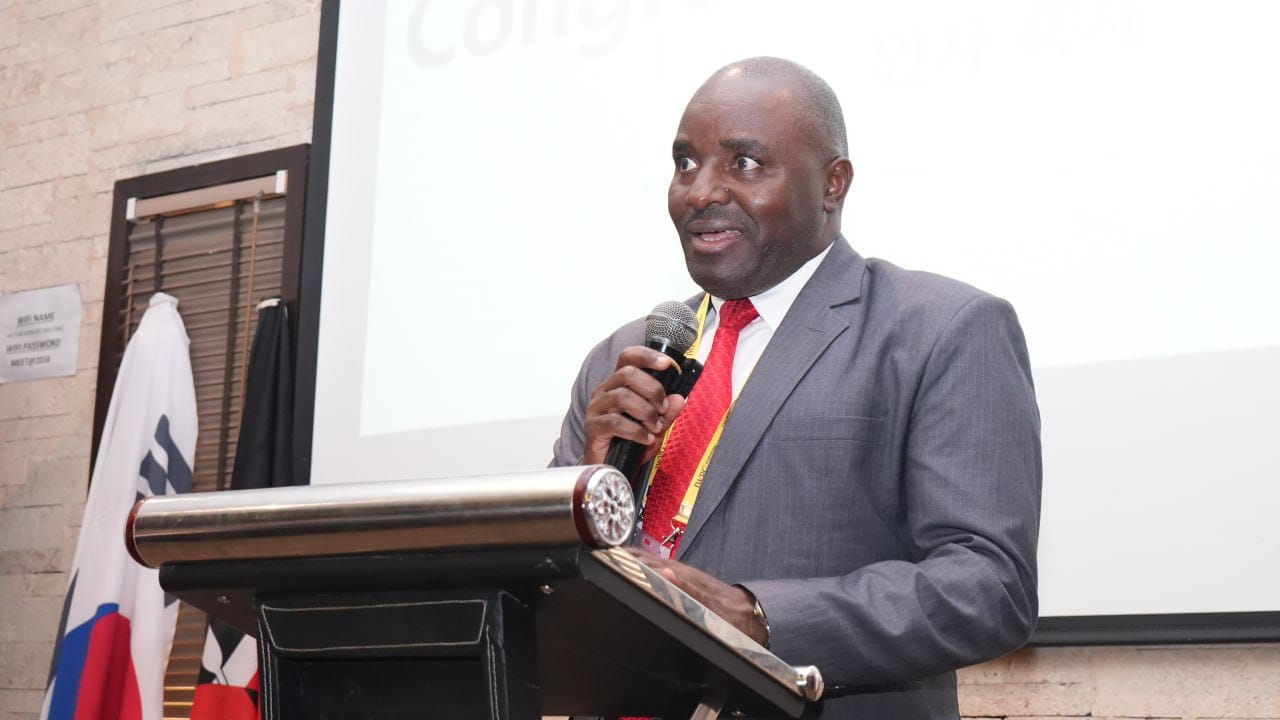
Delivering congratulatory remarks, Timothy Ekesa, Chairperson of the Kenya Alliance for Advancement of Children (KAACR), expert at the Office of the United Nations High Commissioner for Human Rights (OHCHR), and Member of the UN Committee on the Rights of the Child, commended the collaboration between IWPG, the Government of Kenya, and civil society.
He stated, “Allow me, in a special way, to congratulate the Government of Kenya, particularly the Ministry of Gender, Culture and Children Services State Department of Children Services, as well as key institutions mandated to promote peaceful coexistence, in particular the National Cohesion and Integration Commission (NCIC), for warmly welcoming the IWPG delegation to Kenya and for embracing partnerships with civil society organizations to co-create programmes and initiatives that promote peace and harmonious coexistence within families and communities.
The outcomes of this conference, including the partnerships, agreements and Memoranda of Understanding to be signed today, complement the broader global peace efforts being advanced through the United Nations human rights system.
Participants further emphasized the importance of peace education for future generations, highlighting the need to strengthen child protection, improve access to quality education and create safe environments for children and youth.
On July 2, IWPG signed a Memorandum of Understanding (MOU) with the National Cohesion and Integration Commission (NCIC) to strengthen cooperation in peacebuilding and social cohesion.
Established under Kenya’s National Cohesion and Integration Act of 2008, NCIC is mandated to promote national unity, prevent ethnic discrimination and violence, and advance reconciliation and social cohesion across the country.
The agreement reflects a shared commitment to advancing peace through education, dialogue, and community engagement.
It is expected to further strengthen collaboration between national institutions and international civil society in grassroots peacebuilding initiatives.
The Kenya initiatives form part of IWPG’s broader global effort to expand international peace networks and strengthen cooperation among governments’ international organizations, and civil society.
Earlier this year, during the United Nations Commission on the Status of Women (CSW), IWPG expanded its collaboration with partners including the African Union, Türkiye, the Netherlands, and various international NGOs, reinforcing its commitment to women’s leadership in peacebuilding.
The Nairobi initiatives demonstrate how local community action can contribute to global peacebuilding efforts, highlighting the critical role of women-led networks in sustaining long-term peace.
An IWPG representative noted, “Peace is not created through grand declarations, but through small, consistent actions in everyday life. When women educate families, connect communities and guide the next generation, peace becomes not just an ideal, but a lived culture,”