

African civil society organizations are calling for food systems and Agroecology to be placed at the heart of global climate action and negotiations ahead of COP31.
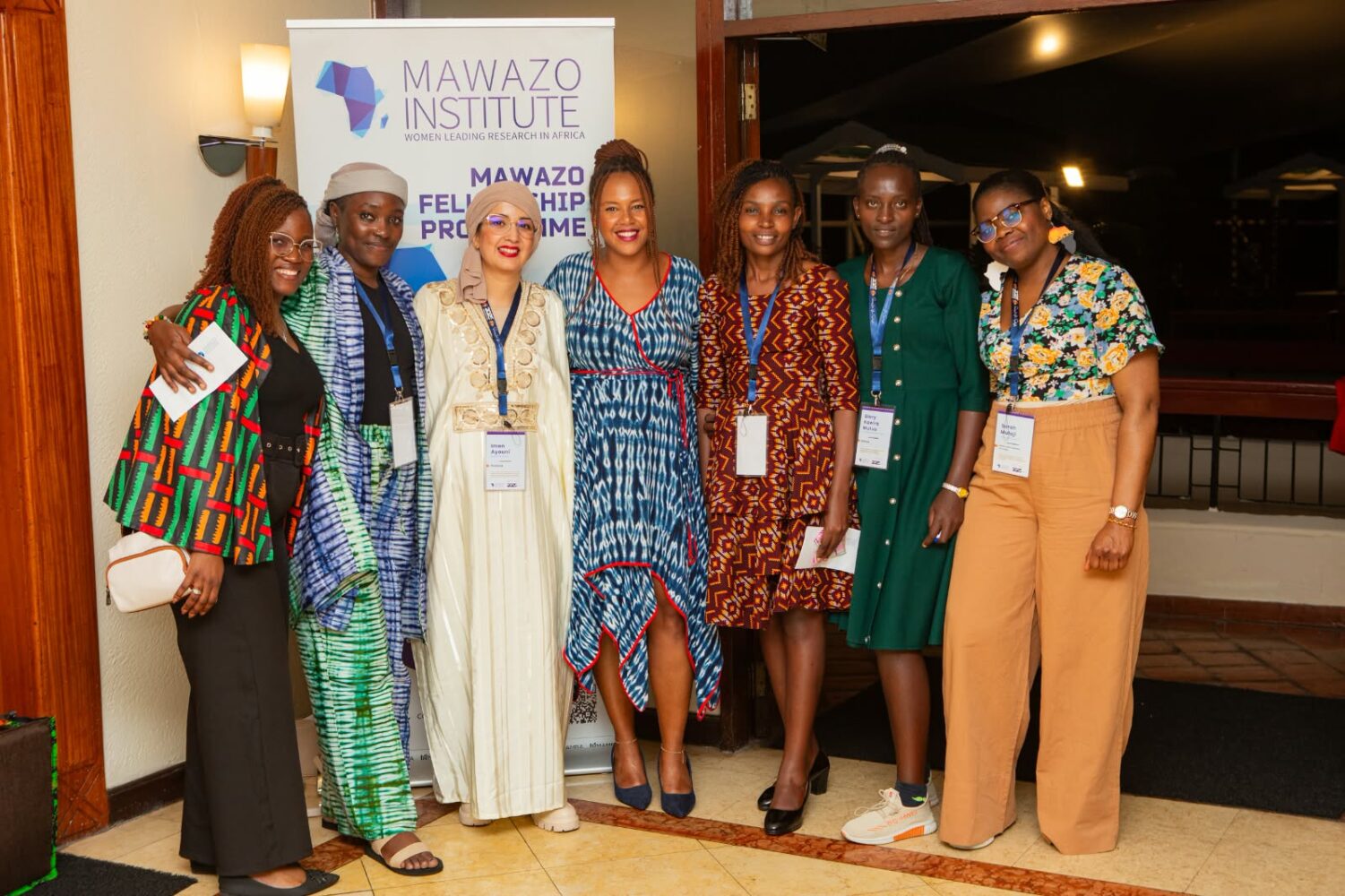
The call emerged from a three-day Continental Convening held in Addis Ababa from September 7–9, organized by the Alliance for Food Sovereignty in Africa (AFSA) in collaboration with Ethiopia’s Ministry of Planning and Development.
The convening brought together more than 100 delegates, including Indigenous Peoples, faith-based organizations, researchers, academics, government officials and climate negotiators, to strengthen African civil society engagement on climate action, food systems and agriculture.
Discussions were organized around four dedicated working groups, just transition, food and agriculture, health and nutrition, and financial flows to agriculture.
Delegates moved from the plenary into these thematic spaces to examine key issues in greater depth, identify priorities and develop concrete recommendations.
They later reconvened in plenary to present their findings and share reflections on the key messages emerging from each discussion.
The conversations highlighted the interconnected nature of climate, food, health, livelihoods and finance, with participants stressing that Africa’s climate response cannot be separated from food security and rural livelihoods.
They called for climate policies and investments to be shaped by the people who produce, trade, prepare and consume food, particularly communities on the frontlines of climate change.
In a joint declaration, participating civil society organizations highlighted persistent gaps between climate ambitions and implementation, adaptation needs and available finance, as well as climate finance commitments and actual delivery.
They called for a substantial increase in grant-based and directly accessible adaptation finance that reaches farmers, pastoralists, fisher folk, women, youth and other vulnerable communities.
The Declaration had six key demands: putting adaptation, agriculture and food security at the centre of implementation, making climate finance accessible and locally accountable, funding African led Agroecology and seed sovereignty, supporting a people centred just transition, making nutrition, health, gender and pastoralism visible in climate action, and building an African accountability architecture from Addis to communities.
In his Speech, AFSA’s General Coordinator Million Belay cautioned against climate finance mechanisms that deepen Africa’s debt burden, urging global institutions to prioritize grants rather than loans.
The declaration called for adaptation, agriculture, food security and food systems to be placed at the centre of climate implementation.
Participants also urged greater public investment in African-led solutions, including Agroecology, farmer-managed seed systems, healthy soils, biodiversity conservation, Indigenous knowledge, water management, resilient infrastructure, territorial markets, and local processing and value addition.
The discussions further emphasized the importance of ensuring that frontline communities have a meaningful voice in climate policies and negotiations that directly affect their livelihoods, food systems and natural resources.