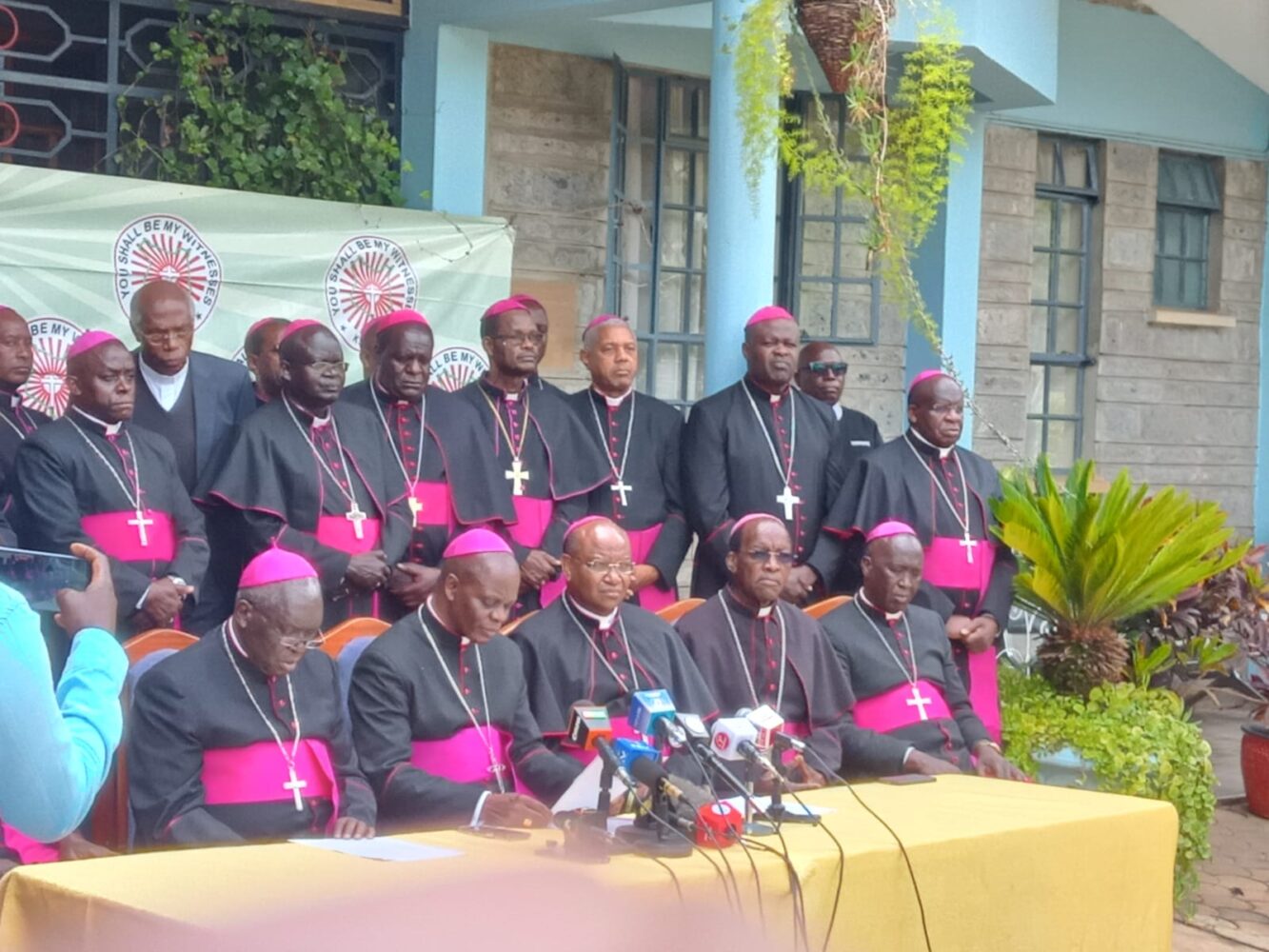
Kenya’s education reforms are once again in the spotlight after the Kenya Conference of Catholic Bishops (KCCB) raised concerns over the implementation of the Competency-Based Education (CBE) system, citing gaps that continue to hinder its success.
Speaking in Nairobi on Thursday, the bishops said while the objectives of CBE are commendable, the situation on the ground paints a worrying picture.
They pointed to a shortage of learning materials in many schools, inadequate numbers of trained teachers, and weak infrastructure as key challenges slowing down effective implementation.
According to the church leaders, these shortcomings risk undermining the quality of education that CBE was designed to deliver.
They warned that rolling out such a system before it is fully ready could turn learners into “test cases,” potentially affecting their academic progress and confidence.
The bishops also highlighted the growing financial burden on parents. With the high cost of living, families are increasingly required to spend more on materials and activities associated with CBE.
This, they cautioned, could widen inequality, locking out children from low-income households and deepening existing disparities in access to quality education.
KCCB is now urging the government to slow down the rollout, review the curriculum, and invest more in teacher training, school facilities, and essential learning resources to ensure all learners are adequately supported.
At the same time, the bishops turned their attention to challenges facing healthcare services in Catholic-run hospitals, calling for urgent government intervention.
They urged authorities to fully settle pending payments under the Social Health Authority (SHA) scheme, warning that delays are affecting service delivery.
The bishops noted that delayed SHA reimbursements have been a persistent issue despite repeated appeals. They stressed that timely payments would enable hospitals to offer seamless and equitable services to patients.
KCCB is now calling for a lasting solution, urging the government to prioritise healthcare and keep it free from political interference.
The twin concerns raised by the bishops underscore broader questions about service delivery in key sectors, and whether reforms are being implemented at a pace that matches the country’s readiness.