Climate Change Communication still leaves Vulnerable Communities Behind Climate change communication across the Africa continues to leave many people affected by the climate crisis behind. This is despite growing efforts by governments, journalists, researchers and civil society organisations to improve public awareness.
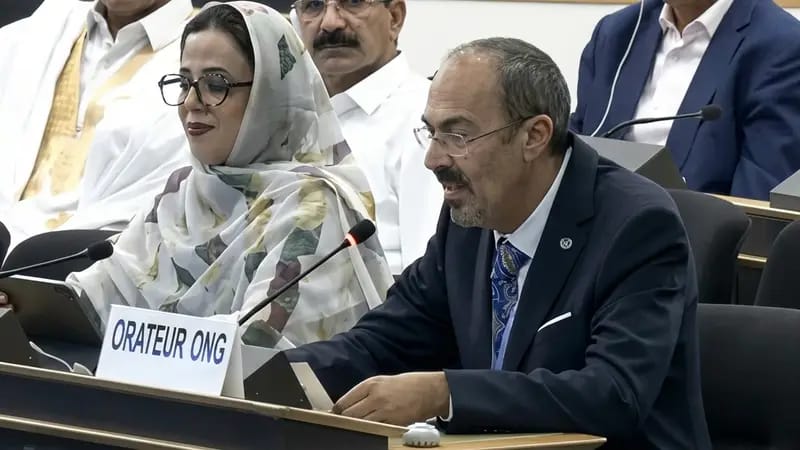
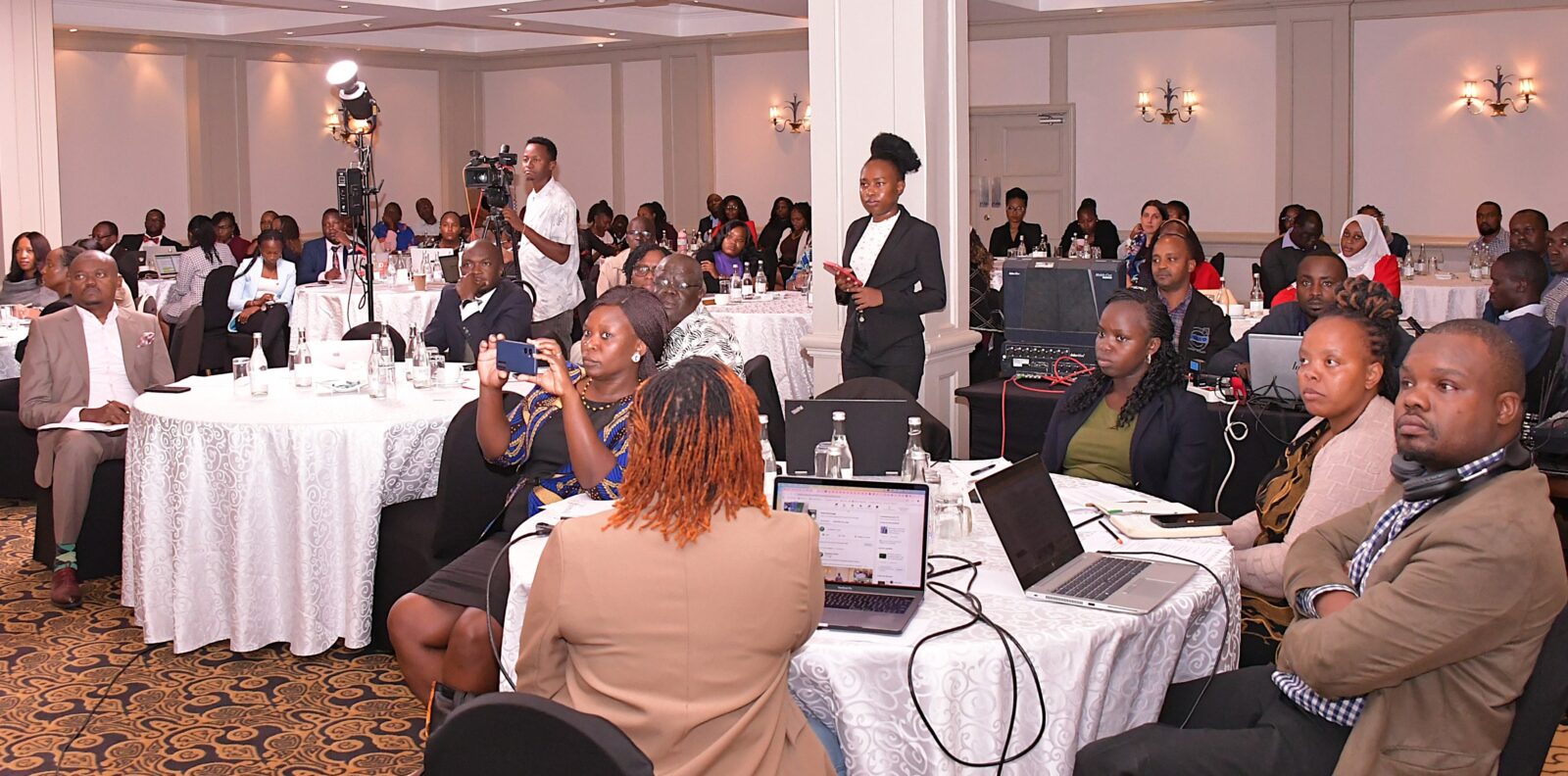
Speaking during preliminary findings of Action Research on Enhancing Climate Change Communication In Africa (ARECCCA) research project, Dr.Osir Otteng highlighted that while marginalised groups are actively involved in climate change mitigation activities, their efforts often go unreported or receive little media attention.
Other challenges include financial constraints, newsroom policies, inadequate training among climate journalists. It also emerged that some communities are reluctant to speak publicly on the initiatives leading to lack of coverage.
“Despite advances in climate science, significant communication gaps remain “, he says. “African climate stories and local solutions remain underrepresented.”
The finding also showed that women, youth and people living with disabilities are frequently portrayed as victims rather than agents of change. Climate reporting remains largely event-based and disaster-oriented, giving more attention to government officials and advocacy groups while excluding the voices of communities directly experiencing climate impacts.
“People with disabilities are often presented from a point of pity instead of highlighting their role in climate action.”
Similarly, climate communication pays little attention to intersectionality, despite climate risks affecting people differently depending on factors such as gender, disability, poverty, age, education and geographical location. The finding also found that many stories on climate change contain relevant information but often lack an investigative approach.
This is because journalists tend to rely heavily on statements from government officials and other authorities without probing further, making many stories resemble reports rather than in-depth journalism.
The limited use of data to provide context and the absence of independent voices further weaken climate reporting. Journalists were encouraged to move beyond simply documenting events and instead produce research-based stories that examine issues more
deeply.
“The media act as the main bridge between science, policy and the public,” he notes. “Collaboration among scientists and journalists, policy makers, climate advocates, communities enhances the quality and impact of climate reporting.”
Although many governments are mainstreaming climate change through different agencies, collaboration among stakeholders remains limited. Researchers, journalists, policymakers, climate activists and communities often operate in silos, reducing opportunities for sharing information and improving public understanding.
Climate researchers reported improved engagement with journalists, but journalists cited limited time and financial resources as major constraints to producing in-depth stories.
Some community members also perceive journalists as sources of money, making engagement more difficult.
The finding also expressed how eager communities are to learn more about climate change and its effects on their daily lives. However, climate information is mainly available in English and published in books, limiting its accessibility. The transfer of scientific knowledge from experts to local communities remains weak, while translation into local languages is limited in many countries.
Language was also identified as one of the biggest barriers to effective climate communication. In many newsrooms, translating climate concepts into Kiswahili remains a challenge, leading some Swahili news desks to reject climate stories because of the lack of appropriate terminology.
“Tanzania has made progress in incorporating climate terminology into Kiswahili. However, language challenges remain, particularly for rural communities whose first language is neither English nor Kiswahili.”
When climate information is presented using unfamiliar scientific terms, many people struggle to relate it to their daily experiences. Community engagement helps journalists understand the realities of climate change directly from those most affected and highlights local efforts to address climate challenges.
He further emphasized that the media serve as the bridge between science, policy and the public by translating complex scientific information, shaping public understanding, promoting local solutions and countering misinformation.