By Dr. Kelvin Osore – President, Kenya Veterinary Association (KVA)
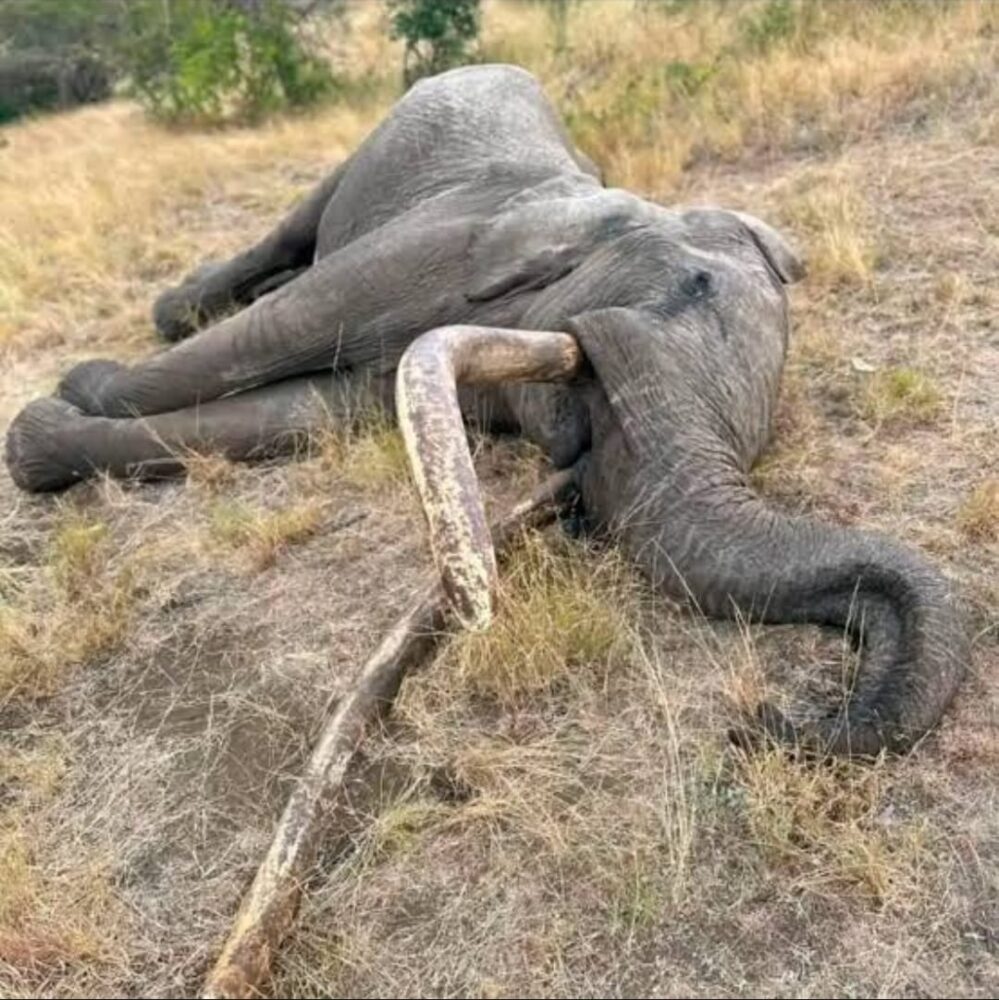
The Kenya Veterinary Association (KVA) views with grave alarm the recent and deeply disturbing deaths of 15 elephants in the Amboseli ecosystem. According to preliminary tests conducted by the Kenya Wildlife Service (KWS) on the carcasses found between June 24 and July 24, 2026, the animals died from exposure to highly toxic cyanide. KWS suspects the elephants ingested the poison after feeding on pesticide-sprayed tomatoes in agricultural areas within the Kimana Sanctuary and Kuku Group Ranch.
However, this crisis extends far beyond a conservation tragedy; it signals an immediate threat to public health and food safety.
A Glaring Public Health Dilemma
Cyanide is an extraordinarily lethal chemical. Given their massive body mass, elephants possess a high threshold for toxic doses. If cyanide-laced produce is potent enough to kill 15 of these giant mammals within 24 to 48 hours, serious questions must be asked about the safety of the food supply chain.
The stomach contents of the deceased elephants revealed significant quantities of tomatoes. It presents a stark irony that while massive animals are dropping dead from ingesting this crop, the public is being told there is no immediate health risk to humans. If these contaminated tomatoes are reaching local markets and dinner tables, public safety is compromised. While the expertise of the KWS veterinary team remains undisputed, the government must address this contradiction transparently to restore public confidence.
A Global Pattern of Weaponization
The use of lethal chemicals against wildlife sets a dangerous precedent. Internationally, cyanide has been weaponized with devastating effects—most notably in Zimbabwe, where poachers poisoned watering holes and salt licks, killing dozens of elephants.
While the Amboseli incident appears tied to expanding agricultural activity and human-wildlife conflict rather than organized poaching, resorting to extreme chemical agents poses an intolerable ecological hazard.
Interconnected Health: Ecosystems, Animals, and Humans
As the sole professional body representing veterinary surgeons in Kenya, the KVA operates on a core reality: human health cannot be separated from the health of our animals and environment.
“You cannot protect human livelihoods and lives without protecting the ecosystems and animals they interact with. Every elephant lost impacts the health of the environment and the communities living alongside them.”
Immediate Action Required from Government Authorities
The Kenya Veterinary Association calls on the National and County governments to act swiftly across three main fronts:
- Launch a Transparent, Multi-Agency Investigation
Authorities must conduct a full investigation into how this highly restricted chemical was obtained. This includes thoroughly investigating persistent reports and rumors suggesting the cyanide may have originated from illicit gold mining operations in the region. - Audit and Secure the Public Food Supply
The Ministry of Agriculture & Livestock Development and the Ministry of Health must immediately quarantine, test, and audit tomato yields coming out of the Kimana area. The public requires verified, data-backed assurance that toxic produce is not entering commercial markets. - Address Human-Wildlife Conflict
Agricultural expansion near Amboseli National Park forces elephants into farmlands in search of food and water. The government must implement effective land-use planning, secure wildlife corridors, and assist farmers with non-lethal deterrent methods to protect crops without resorting to poison.
Conclusion
Kenya cannot afford to wait for further losses—whether wildlife, livestock, or human. Decisive political will is urgently required to protect our natural heritage and ensure the safety of our food systems.
About the Kenya Veterinary Association
Established in 1966 and headquartered at the Veterinary Research Laboratories in Kabete, the KVA is the professional body representing veterinary surgeons in Kenya, dedicated to advancing veterinary medicine, safeguarding public health, and promoting animal welfare.
- Media Contact: +254 (727) 680 022 | [email protected]
- Website: www.kenyavetassociation.com