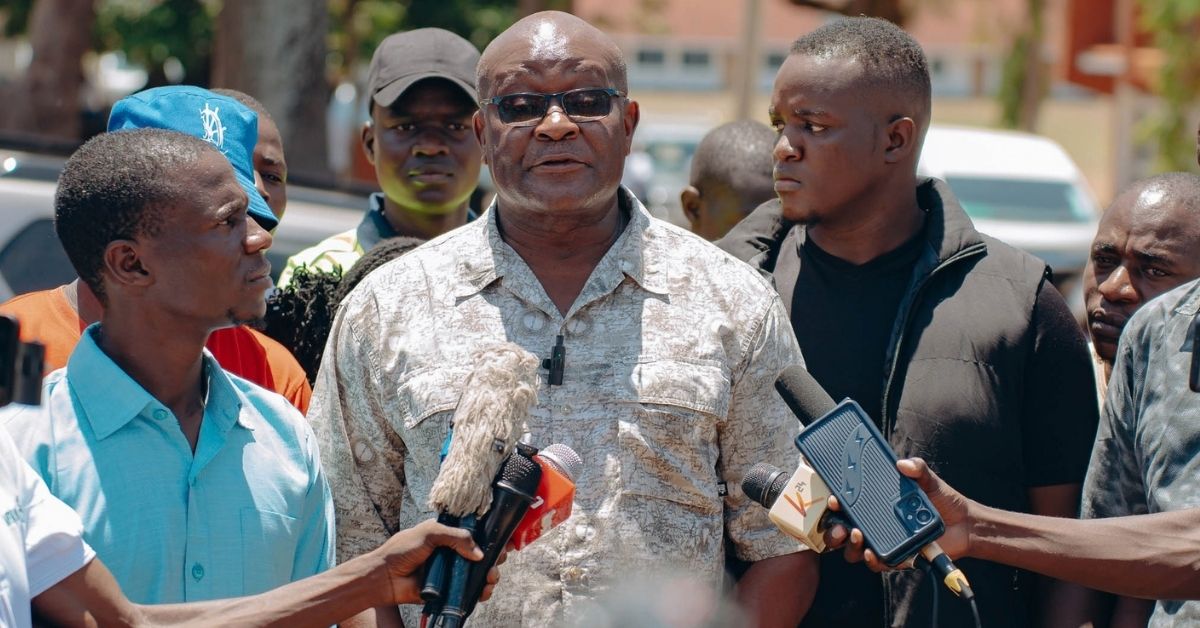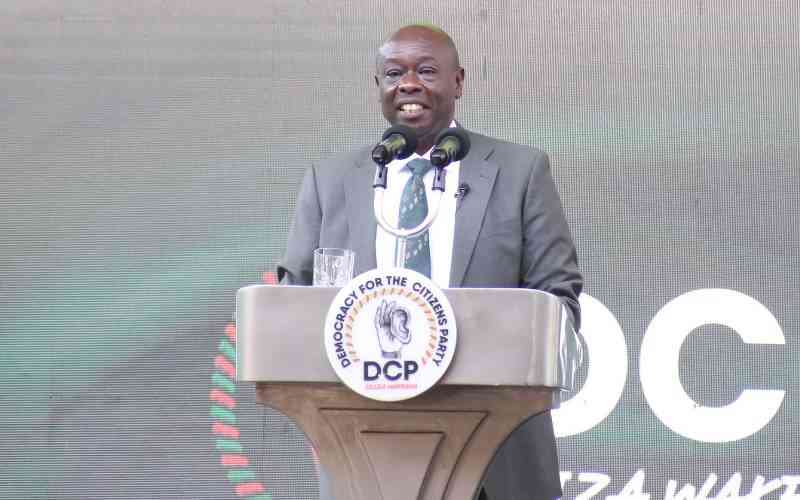
Former Deputy President Rigathi Gachagua has raised concerns over the financial status of public universities, accusing the Kenya Kwanza administration of presiding over a sharp rise in university debt and policy uncertainty in higher education.
Speaking Tuesday, Gachagua said public universities are facing what he described as “unprecedented financial distress,” with institutional debt rising from KSh60 billion in August 2022 to approximately KSh100.3 billion.
“Public universities are in deep financial crisis. The debt has ballooned from KSh60 billion to about KSh100.3 billion in just a short period,” Gachagua said.
According to Gachagua, the KSh40.3 billion increase represents a 67% rise in university debt, a situation he says is placing institutions under severe financial strain and threatening the delivery of quality education.
“This is a 67% increase in debt. Universities are now struggling to operate, pay suppliers, and even meet basic obligations,” he added.
He further criticised the government over changes to the financing of higher education, saying Kenya has implemented two university funding models in just two years.
Gachagua argues that the frequent changes have created uncertainty for universities and learners, while increasing financial pressure on families.
The former Deputy President said the developments were inconsistent with President William Ruto’s 2022 campaign commitment to strengthen higher education financing and expand access to quality and affordable education.
“The promise was to strengthen higher education financing and make it more accessible and affordable. What we are seeing is the opposite,” he said.
He said the government had also pledged to protect the gains made under Free Primary Education and Free Day Secondary Education while ensuring adequate capitation and sustainable financing across the education sector.
Gachagua further criticised the government’s funding of secondary schools, claiming that capitation has fallen significantly below the level established in 2017.
“Schools that were receiving KSh22,000 per student are now getting about KSh9,000. That gap is unsustainable,” he said.
He said the combined pressures on universities, schools and households amounted to a significant setback for the government’s education agenda.
Gachagua’s assessment comes as the government continues to grapple with questions over the sustainability of higher education financing and the financial position of public universities.