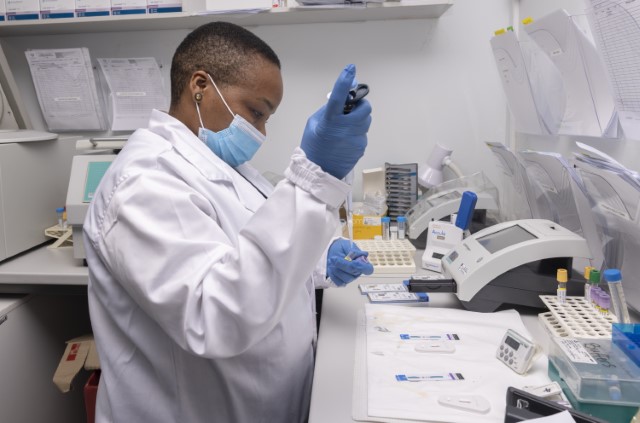
The International AIDS Vaccine Initiative (IAVI) has secured an initial US$36 million (approximately KSh4.68 billion) from the United States government to accelerate the development of a single-dose vaccine against the Bundibugyo strain of the Ebola virus.
The funding was awarded through the Biomedical Advanced Research and Development Authority (BARDA) under a contract valued at up to US$99 million (approximately KSh12.87 billion).
The project comes amid a major Ebola outbreak in the Democratic Republic of the Congo (DRC), where 10,060 confirmed cases and 4,887 deaths had been reported as of October 25, 2026.
The outbreak is currently the second-largest Ebola epidemic on record and is threatening to become the largest ever recorded.
There are currently no approved vaccines or specific treatments for the Bundibugyo strain, highlighting the need to develop an effective vaccine against the virus.
IAVI will lead the project, overseeing clinical development, regulatory processes and engagement with the United States Food and Drug Administration (FDA).
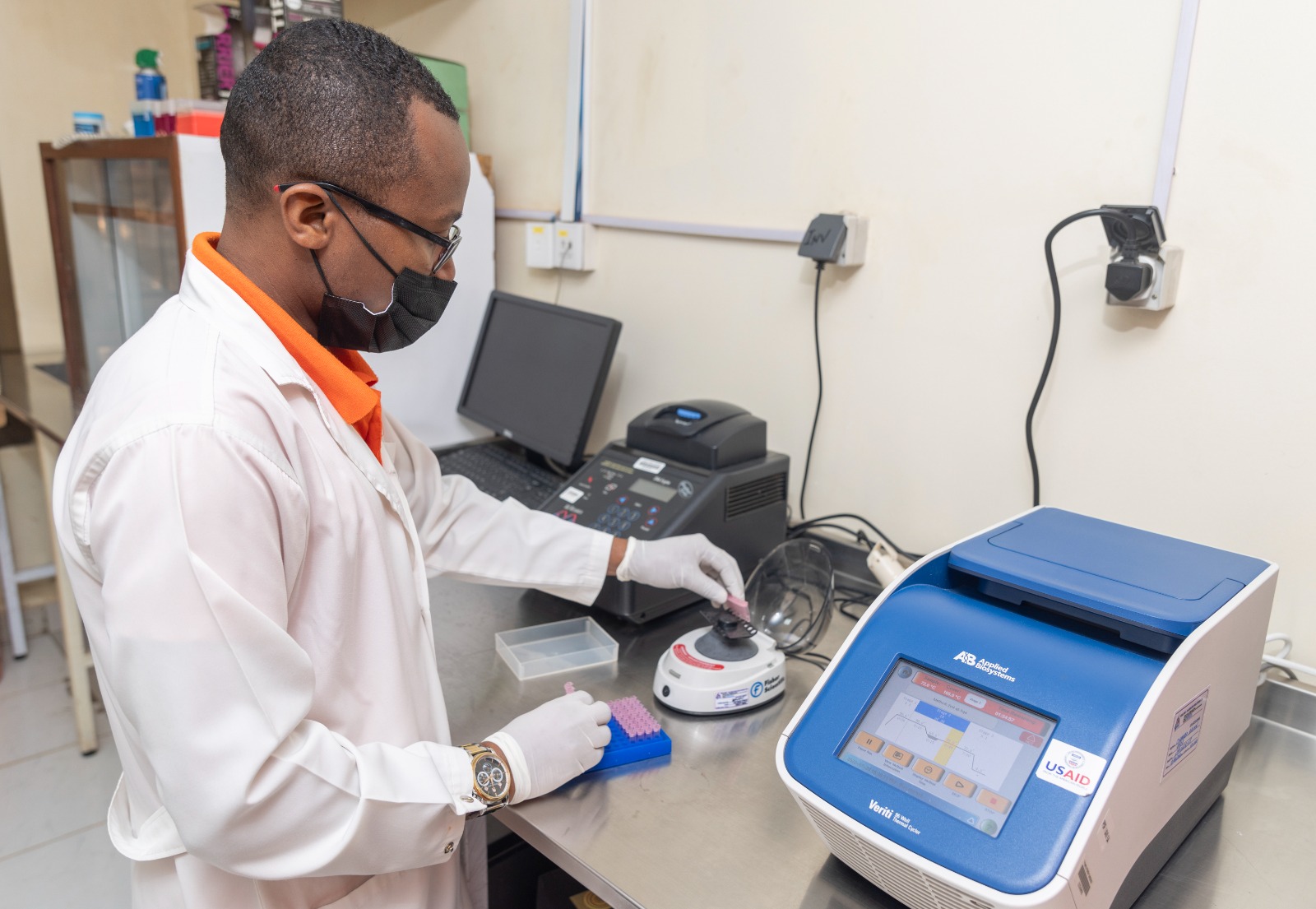
The initiative brings together several international organisations to coordinate vaccine development and manufacturing.
Singapore-based Hilleman Laboratories will manufacture the initial doses for clinical trials, adapting an updated manufacturing process being developed for MSD’s World Health Organization (WHO)-prequalified Ebola vaccine targeting the Zaire strain.
South Korea’s SK bioscience will oversee the technical scale-up of manufacturing to support large-scale production, while Germany-based IDT Biologika will handle the final filling and finishing of vaccine doses for stockpiling.
Pharmaceutical company MSD (Merck & Co.) will provide technical support for the manufacturing process.
The experimental vaccine uses a recombinant vesicular stomatitis virus (rVSV) platform, the same technology used in the licensed vaccine against the Zaire strain of Ebola.
The current vaccine candidate is based on a virus strain identified during the 2007 Bundibugyo outbreak. However, the new funding will also support the development of an updated version designed to match the viral variant responsible for the 2026 outbreak.
Studies involving non-human primates have demonstrated that the experimental vaccine can provide protection against the virus, with research indicating that immunity can develop within three days of administration.
The BARDA funding will support further development, including a Phase 1 human clinical trial, which will assess the vaccine’s safety and initial immune response.
If the candidate progresses successfully through the clinical evaluation, the partners intend to pursue a ring vaccination trial in the DRC, targeting people who have been in contact with confirmed Ebola patients and their close contacts.
The ultimate goal is to develop a single-dose vaccine that can support rapid outbreak response and strengthen preparedness against future Bundibugyo epidemics.