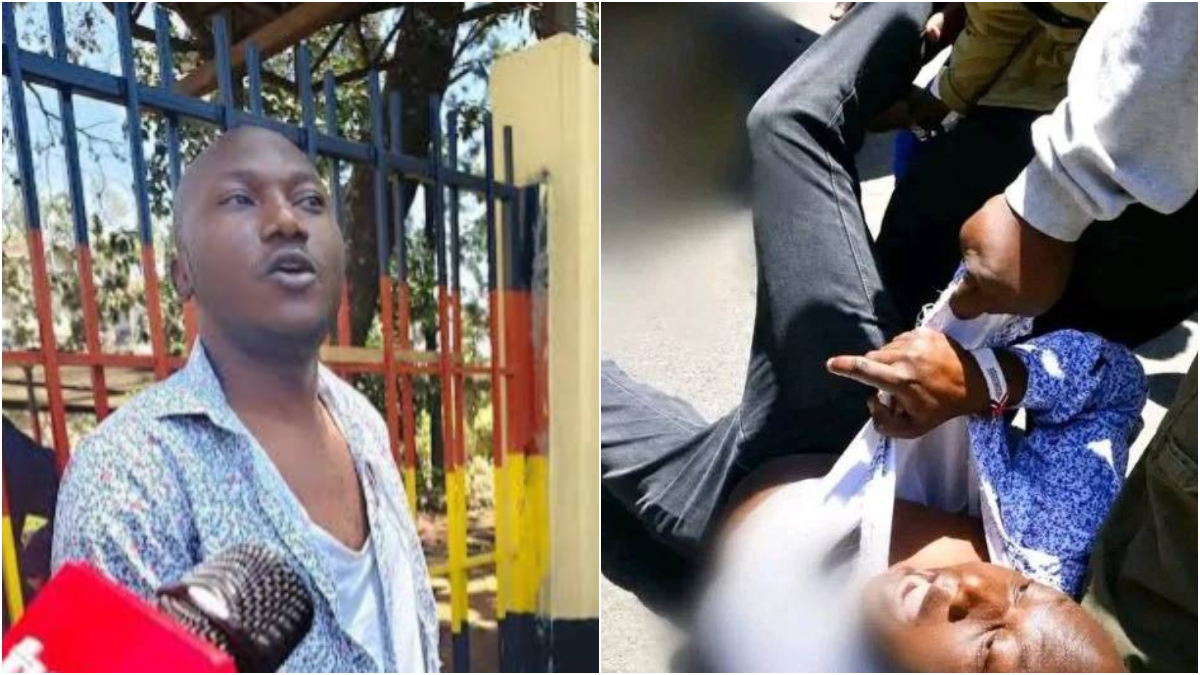
The Independent Policing Oversight Authority (IPOA) has initiated investigations into an incident that saw the arrest and brief detention of journalist Mr. Ode Francis by police officers.
At the time of the incident on October 20, 2026, Mr. Ode was covering protests against the recent increase in fuel prices.
In a statement, IPOA says that it contacted Mr Ode on 21 October 2026 as part of its preliminary investigations to establish the circumstances surrounding the incident.
“As part of the ongoing investigations, IPOA will visit Central Police Station, examine relevant police records and obtain accounts from police officers deployed to manage public order during the protests,” IPOA says. “These inquiries will seek to establish the circumstances of the arrest and detention and determine whether the actions of the officers involved complied with the law and established policing procedures.”
The Authority has reaffirmed its commitment to independently and impartially investigate incidents involving police officers and journalists in the course of their professional duties.
“Such investigations are essential to promoting police accountability, safeguarding constitutional rights and strengthening public confidence in policing.”
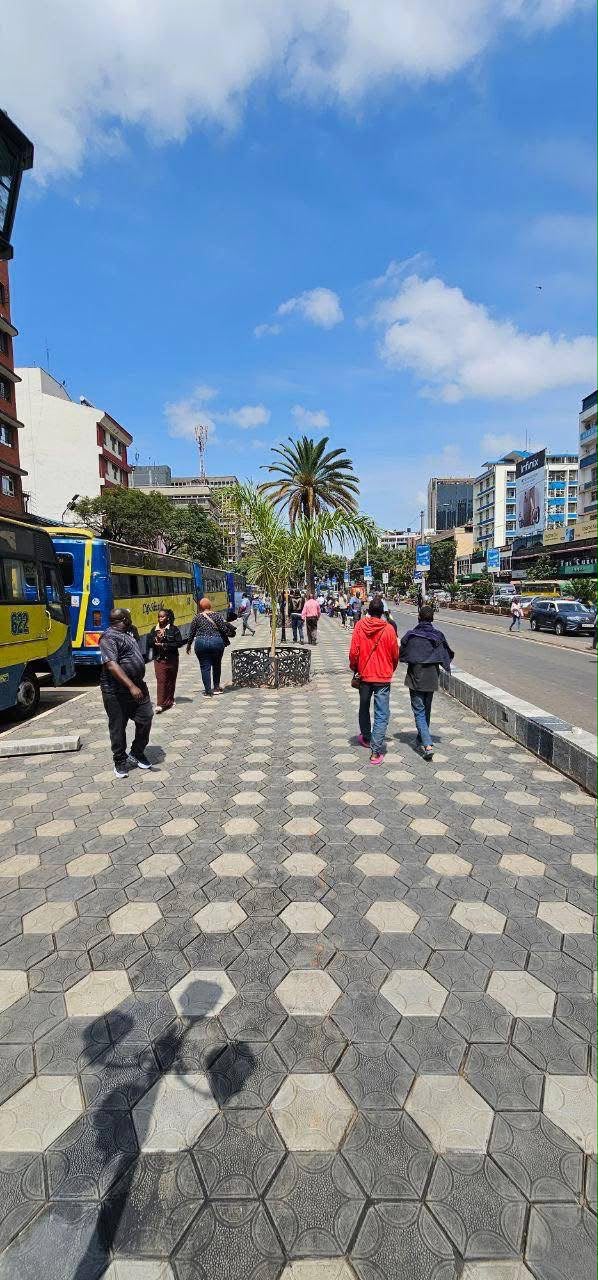
On the day of the incident, plainclothes officers arrested the crime journalist along Kimathi Street in Nairobi’s Central Business District during the demonstrations. The incident, captured on video, has raised concerns among Kenyans over police conduct during protests.
In the video, Ode can be heard repeatedly identifying himself as a journalist, but the cries fell on deaf ears, with the officers bundling him into their vehicle.
“I am a journalist bro, I am a journalist,” Ode was heard pleading in the video.
The Crime Journalists Association of Kenya has since condemned the incident, demanding an independent investigation and accountability for officers found responsible.
Article 244 of the Constitution requires the National Police Service to strive for the highest standards of professionalism and discipline, promote and practise transparency and accountability, and comply with constitutional standards of human rights and fundamental freedoms. Equally important are Articles 33, 34 and 35, which protect the freedom of expression, media freedom and access to information, respectively.
Upon conclusion of the investigations, IPOA says it will make appropriate recommendations to the relevant institutions, including on accountability where culpability is established.
“IPOA will also consider recommendations aimed at strengthening cooperation and professional working relationships between the police and the media, recognising that, although their respective roles and objectives differ, they often operate in the same environments, particularly during public order operations.”