The State Department for Technical, Vocational Education and Training has taken a step towards improving how TVET institutions are managed, bringing together key stakeholders on Tuesday, April 21.
The workshop focused on developing Human Resource instruments to guide staffing, career progression, and institutional governance across the sector.
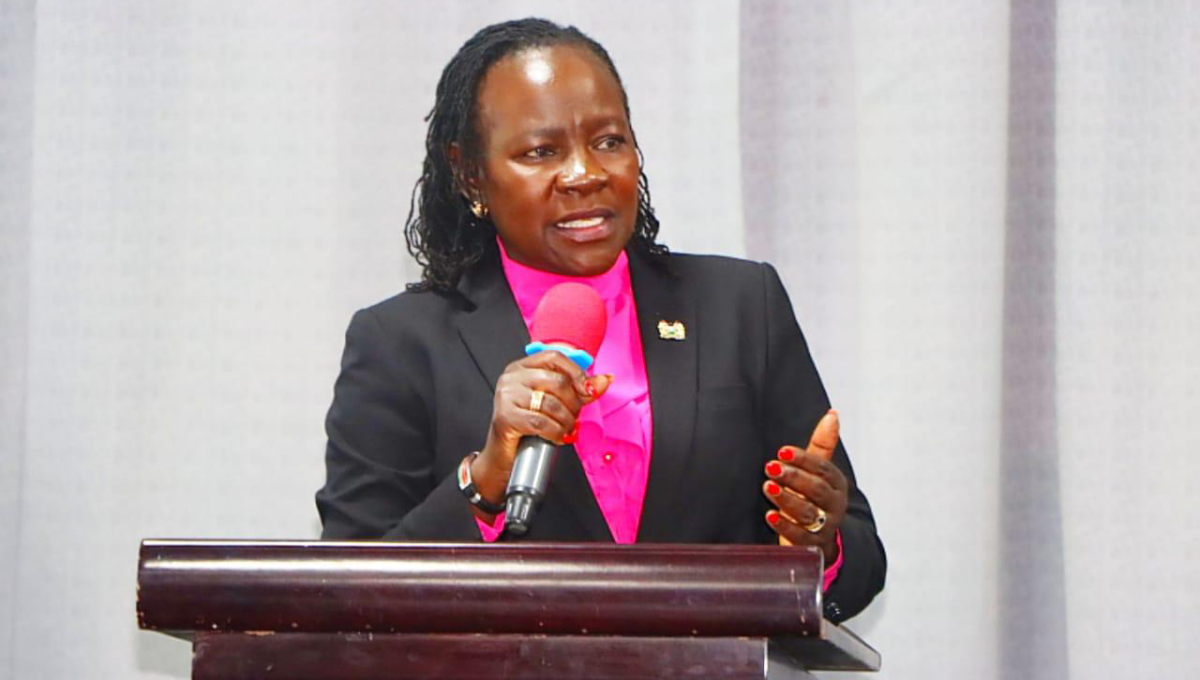
Speaking at the opening of the workshop, Principal Secretary for TVET Dr Esther Thaara Muoria said the development of these instruments is not just a bureaucratic exercise but a foundational step in securing the future of skills training in Kenya.
She noted that TVET has become a central pillar of Kenya’s development agenda, playing a key role in driving industrialisation, innovation, and labour mobility in line with Kenya Vision 2030 and the Bottom-Up Economic Transformation Agenda.
“No reform architecture can succeed without the right human resource foundation,” she said, adding that for ongoing reforms such as Competency-Based Education and Training to work, the people delivering them must be supported by clear and fit-for-purpose HR systems.
PS Muoria acknowledged that the rapid growth of enrolment and institutions in the TVET sector has not always been matched by equally strong human resource planning, leaving many institutions with staffing structures that are outdated and insufficient for current demands.
She warned that this has had direct consequences on quality, staff morale, and overall institutional performance.
The workshop, developed in partnership with the Public Service Commission of Kenya, is tasked with producing HR Policies and Procedures Manuals, staff establishment frameworks, organisational structures, and Career Progression Guidelines tailored specifically to the unique nature of TVET institutions.
The PS stressed that trainers, in particular, need a clear and structured career path to remain motivated and effective.
“Where career progression is unclear, motivation declines. Where structures are weak, accountability suffers. Where policy guidance is absent, inconsistency takes root,” she said.
PS Muoria urged all participants to engage openly and constructively, saying the instruments produced must go beyond paperwork and actually enable institutions to recruit, deploy, appraise, develop, and retain the right people.
“The strength of any education and training system is ultimately measured by the strength of the people who run it,” she concluded.