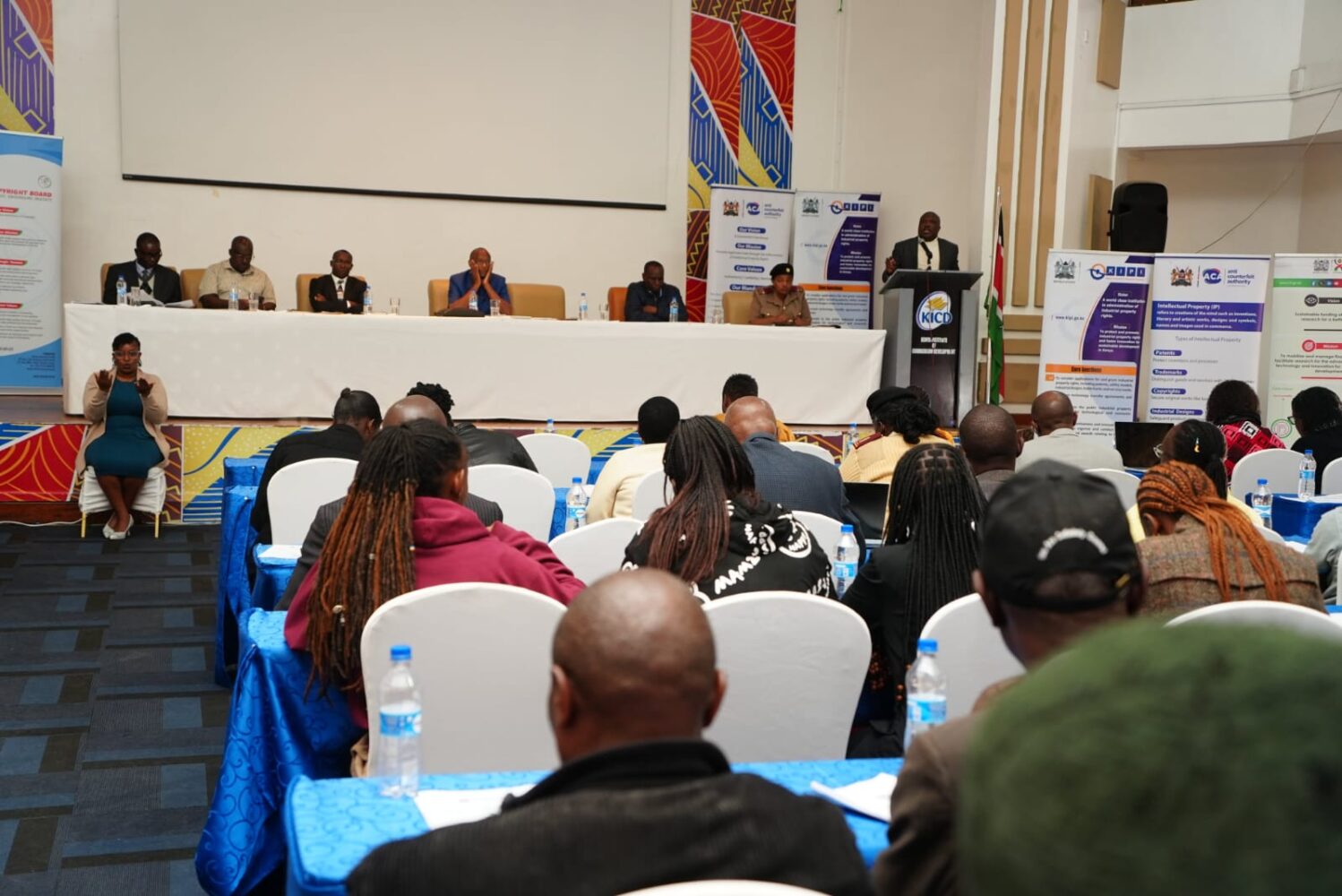
Kenya has concluded nationwide public participation on the Draft National Intellectual Property Policy and Strategy (NIPPS) 2026, marking a significant step towards establishing the country’s first comprehensive intellectual property policy aimed at protecting innovation, curbing counterfeiting and driving industrial growth.
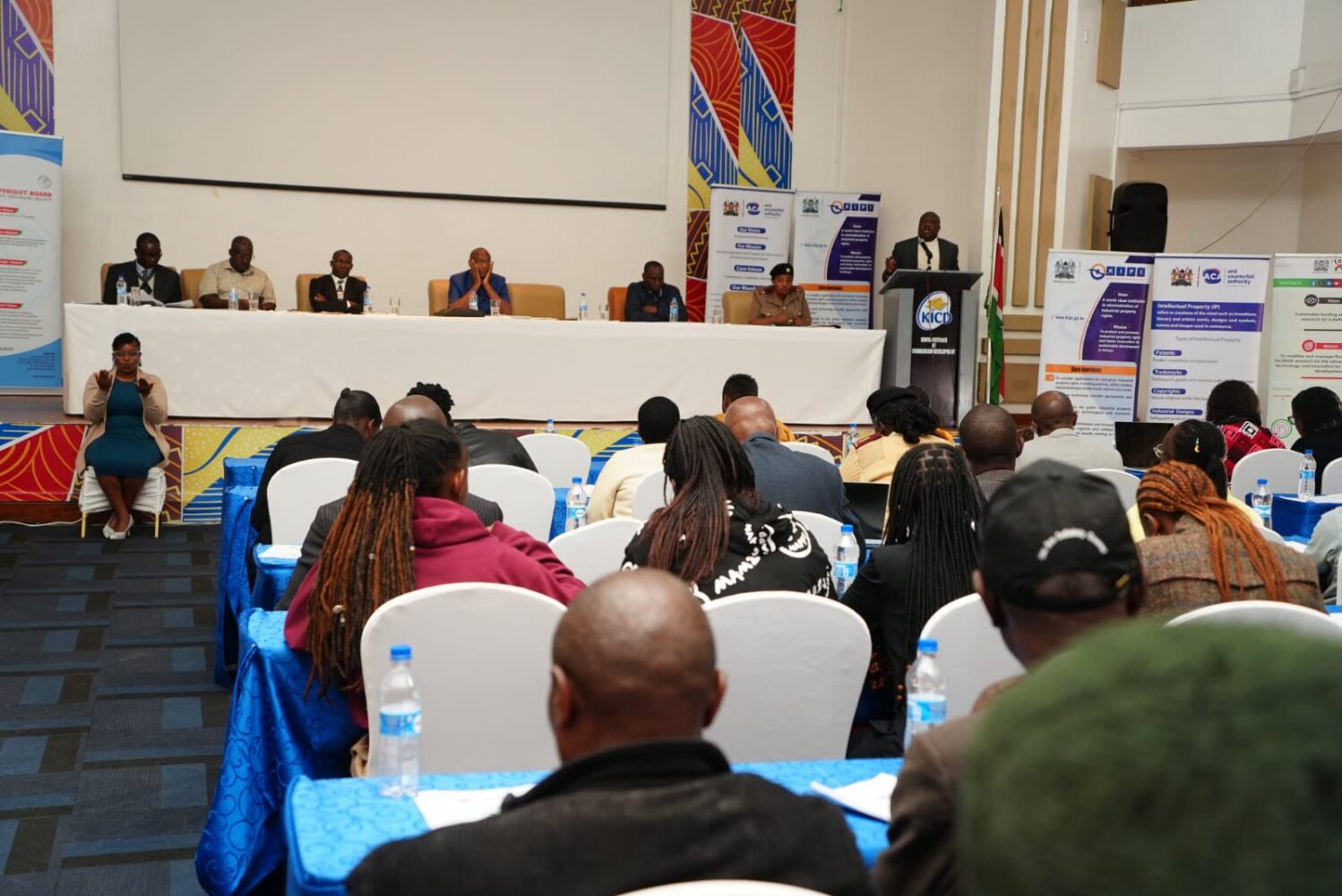
The final consultative forum was held on Friday at the Kenya Institute of Curriculum Development (KICD) in Nairobi, bringing together stakeholders from Nairobi, Kiambu, Kajiado and Machakos counties. It capped a nine-day public participation exercise that reached 38 counties through seven regional forums organised by the Ministry of Investments, Trade and Industry and partner agencies.
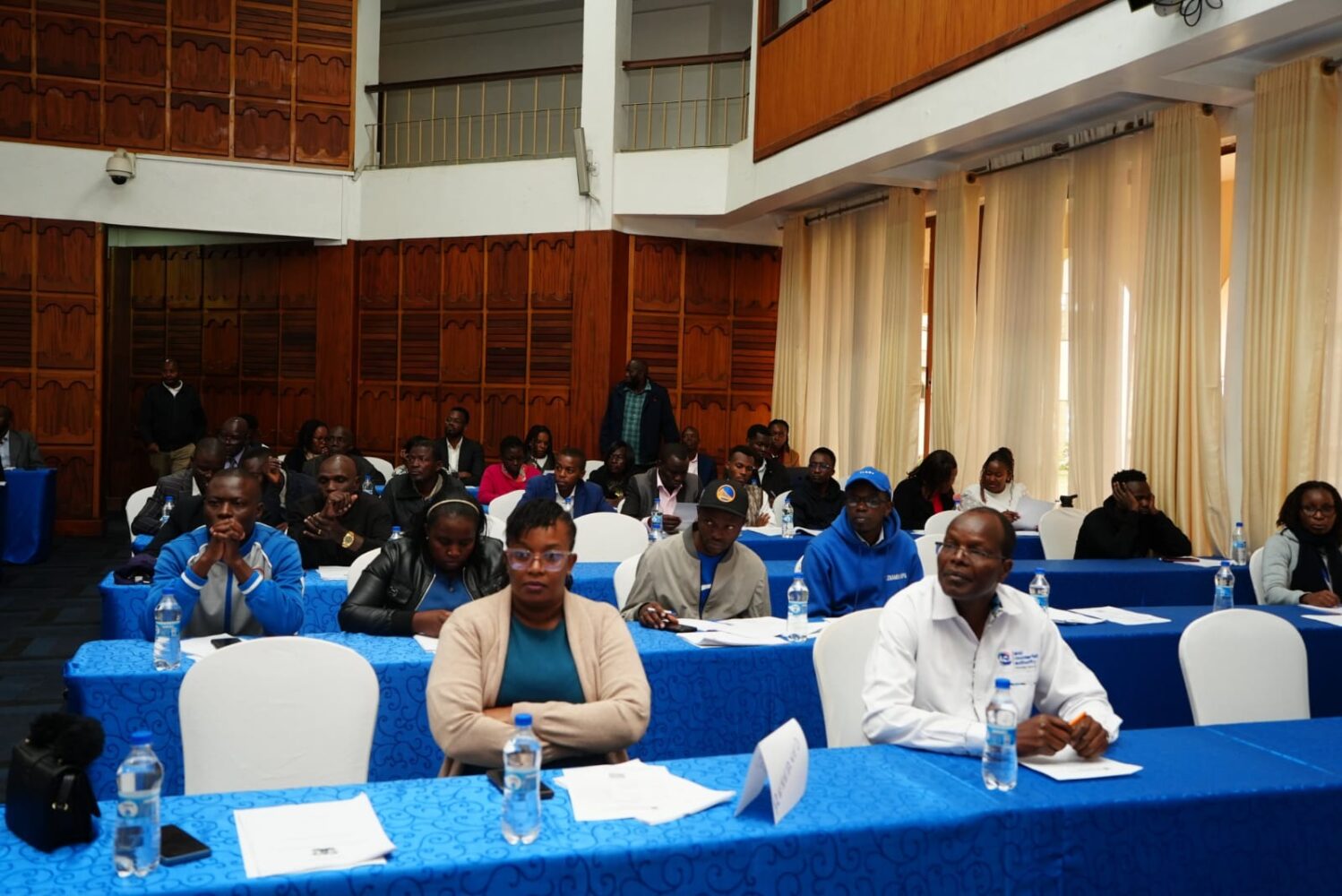
The process brought together the Anti-Counterfeit Authority (ACA), Kenya Industrial Property Institute (KIPI), Kenya Copyright Board (KECOBO), Kenya National Innovation Agency (KENIA), Kenya Plant Health Inspectorate Service (KEPHIS) and the National Research Fund (NRF).
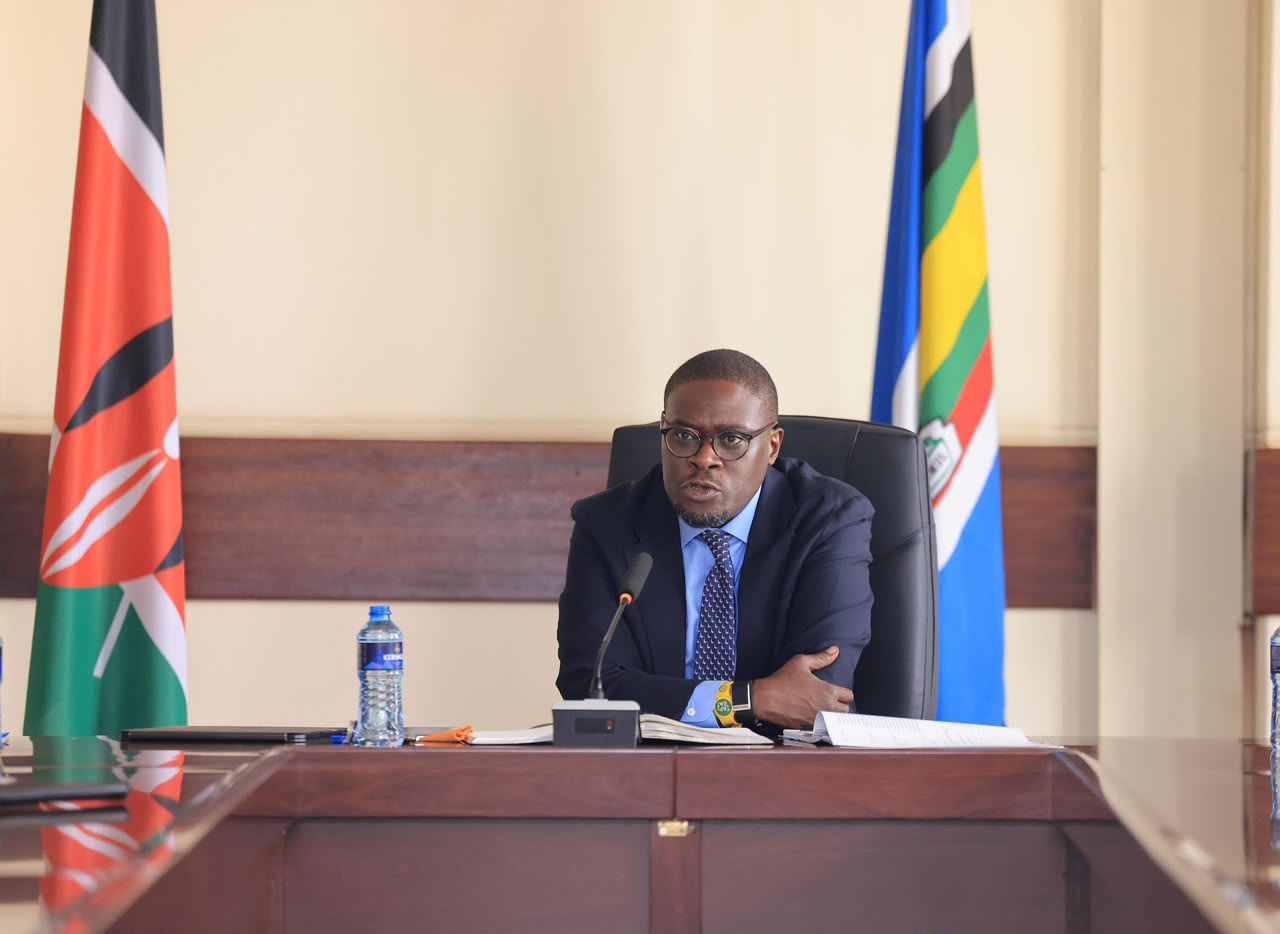
Speaking during the Nairobi forum, Anti-Counterfeit Authority Executive Director Dr. Robi M. King’a described the consultations as a milestone in developing a policy that reflects the needs of all Kenyans.
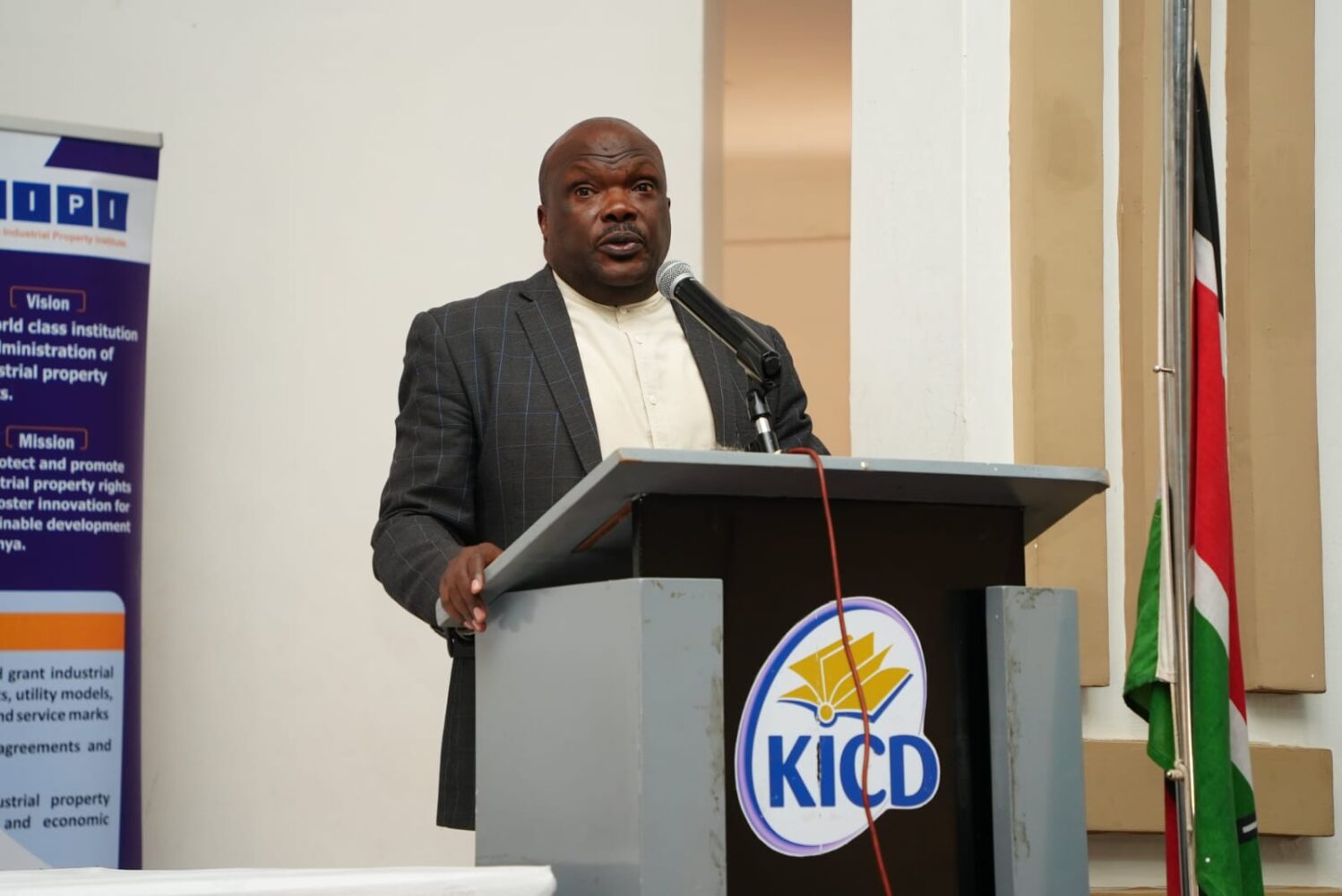
“We are calling upon all Kenyans to actively participate in this process because this policy belongs to the people. Before any policy is enacted, the Constitution requires that the Government engages citizens to obtain their views and recommendations,” said Dr. King’a.
He noted that Kenya has never had a comprehensive national intellectual property policy despite constitutional provisions requiring the State to promote and protect intellectual property rights.
“This will be the first National Intellectual Property Policy in the history of our country. It will provide a clear roadmap for promoting and protecting the intellectual property rights of Kenyans while supporting our national development agenda,” he said.
Dr. King’a added that feedback received from across the country demonstrated that intellectual property issues vary from one region to another.
“From the coffee highlands of Nyeri to the running towns of Eldoret, the coast of Mombasa and the trading floors of Kakamega, Kenyans have told us plainly what this policy must protect. Nairobi closes that conversation, but the real work is only beginning — turning what we have heard into a policy that works for every county, not just the ones with the loudest voices.”
Representing the Principal Secretary for the State Department for Industry, Wahome King’uru said the consultations highlighted the diversity of intellectual property assets across the country.
“The Ministry has listened closely across every region this tour has reached. What has struck us most is how differently intellectual property shows up from one county to the next—coffee in Nyeri, athletics in Eldoret, oil in Turkana and tourism on the coast. NIPPS 2026 must be flexible enough to protect all of it.”
Throughout the consultations, participants proposed stronger protection for geographical indications such as Nyeri coffee, Kericho and Nandi tea, and West Pokot honey. Stakeholders also raised concerns over safeguarding athletes’ image rights, protecting traditional knowledge, supporting researchers and strengthening enforcement against counterfeit goods along border and coastal trade corridors.
Dr. King’a said intellectual property would play a central role in Kenya’s next phase of economic transformation.
“Our next phase of development must be driven by innovation. Intellectual property is the engine of industrialisation because it protects the ideas, inventions and creativity that create jobs, attract investment and grow the economy.”
He said stronger protection would encourage value addition in agriculture by enabling local innovators to commercialise products instead of exporting raw materials.
The Anti-Counterfeit Authority also warned that illicit trade continues to undermine the country’s economy. According to Dr. King’a, Kenya loses an estimated Sh800 billion annually through illicit trade, with about Sh100 billion attributed to counterfeit goods.
“These losses affect Government revenue, legitimate businesses and consumers who are exposed to unsafe and substandard products. A stronger intellectual property framework will help address these challenges while encouraging investment and innovation,” he said.
Kenya Copyright Board Acting Executive Director George Nyakweba said the policy complements reforms contained in the proposed Copyright (Amendment) Bill, 2026, which seeks to strengthen protection for creators in the digital space.
Nyakweba said the reforms would help artists, musicians, filmmakers and publishers receive fair returns from their creative works as technology continues to evolve.
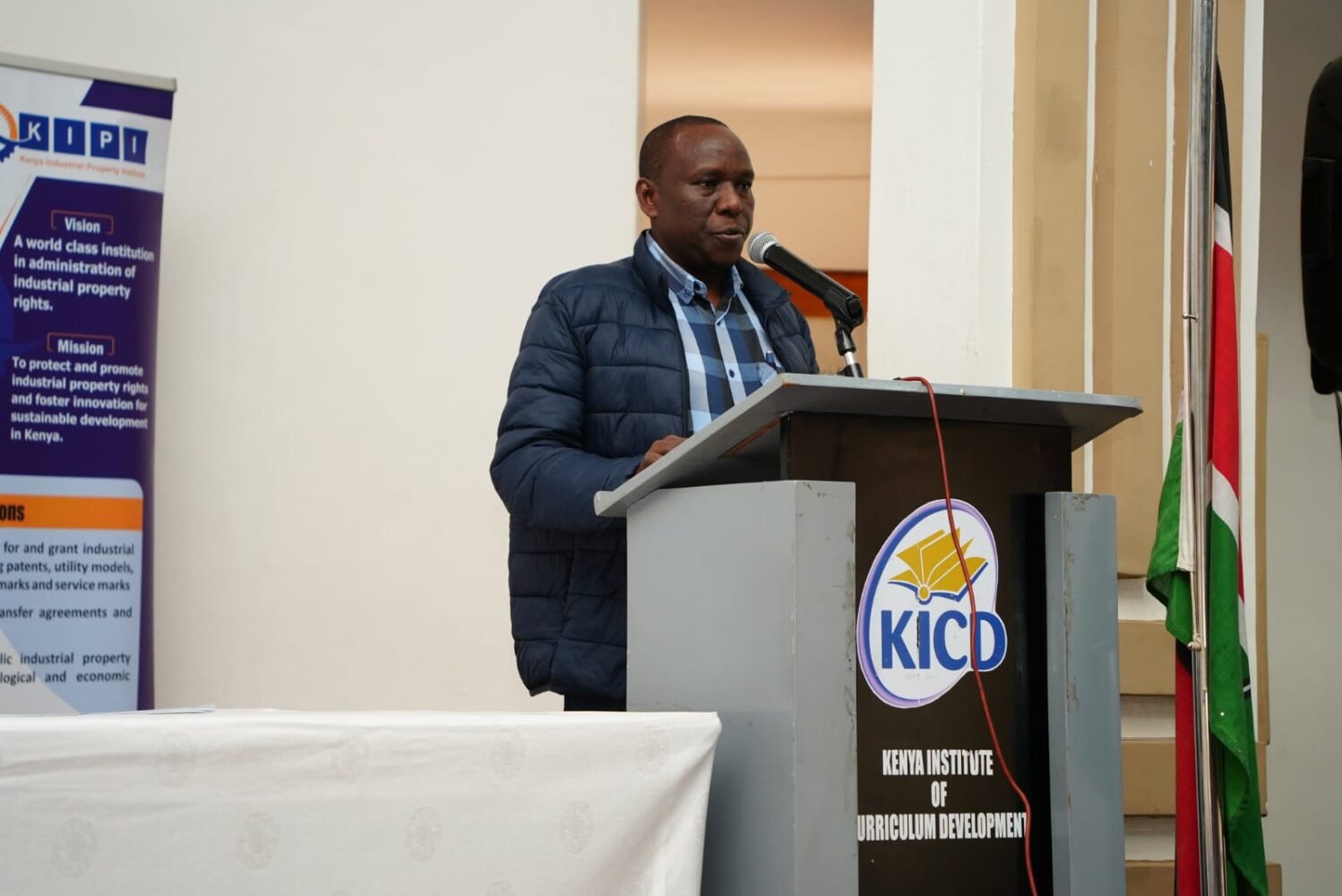
“We have strengthened provisions relating to online piracy to ensure that once infringement is reported, action can be taken within the shortest time possible. We have also enhanced takedown procedures to better protect copyright holders in the digital environment.”
Kenya Industrial Property Institute Deputy Managing Director Stephen Ngeno said the proposed policy would improve coordination among intellectual property institutions while enhancing investor confidence.
“The policy will strengthen coordination among all intellectual property institutions, improve information sharing and reduce counterfeiting and piracy through better cooperation.”
He added that the framework would also provide guidance on emerging issues such as artificial intelligence and ownership of AI-generated innovations.
“As technology evolves, questions around originality and ownership continue to emerge. The policy will provide guidance on how intellectual property rights should respond to these developments while protecting genuine innovators,” Ngeno said.
He noted that stronger intellectual property protection would particularly benefit innovators in the Jua Kali sector, micro, small and medium enterprises, research institutions and investors seeking certainty over their inventions.
The nationwide consultations, held between July 27 and July 31, covered Nyeri, Nakuru, Eldoret, Embu, Mombasa, Kakamega and Nairobi, reaching 38 of Kenya’s 47 counties.
With the public participation exercise now complete, the Ministry of Investments, Trade and Industry and partner agencies will review submissions collected during the regional forums alongside written memoranda before finalising the National Intellectual Property Policy and Strategy.
Officials have also encouraged members of the public to continue submitting written memoranda before the deadline, saying the contributions will carry equal weight to views presented during the regional forums.
If approved, NIPPS 2026 will become Kenya’s first comprehensive national framework for coordinating intellectual property protection, strengthening enforcement, promoting innovation and positioning intellectual property as a key pillar of industrialisation and economic growth.