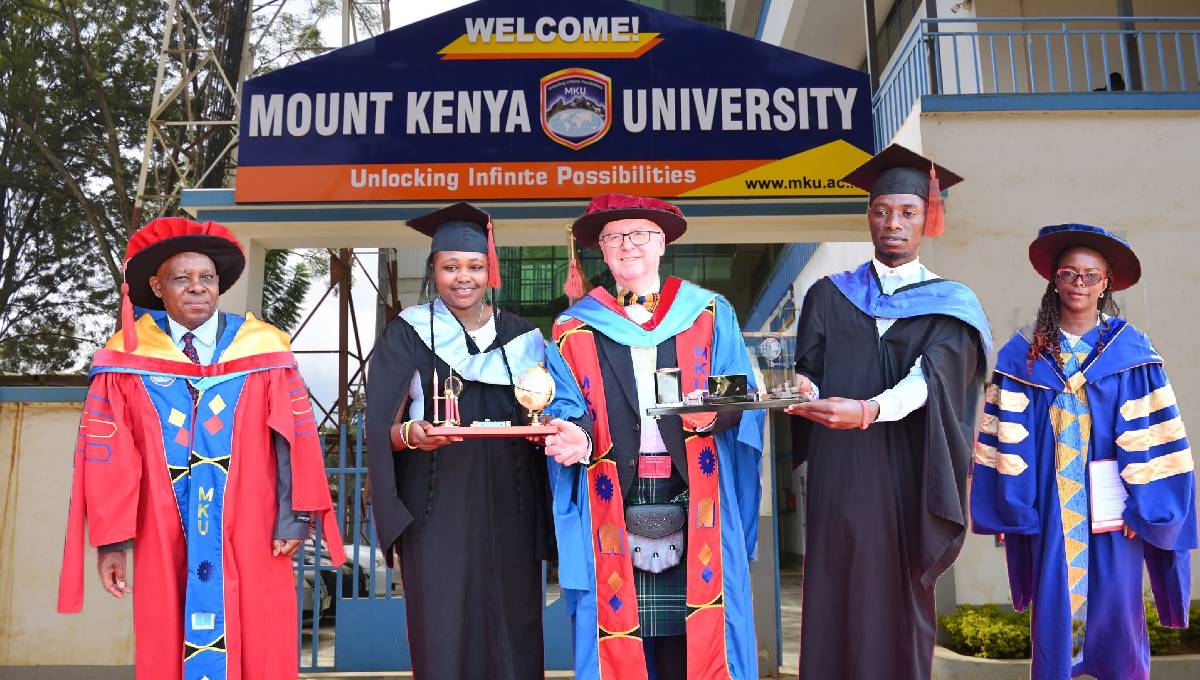
Mount Kenya University has welcomed a High Court ruling allowing it to continue offering its Bachelor of Science in Oral Health programme, terming the decision a major boost in efforts to address Kenya’s shortage of oral health professionals.
The ruling followed a petition filed by the Oral Health Association of Kenya after Health Cabinet Secretary Aden Duale directed the university to discontinue the programme earlier this year.
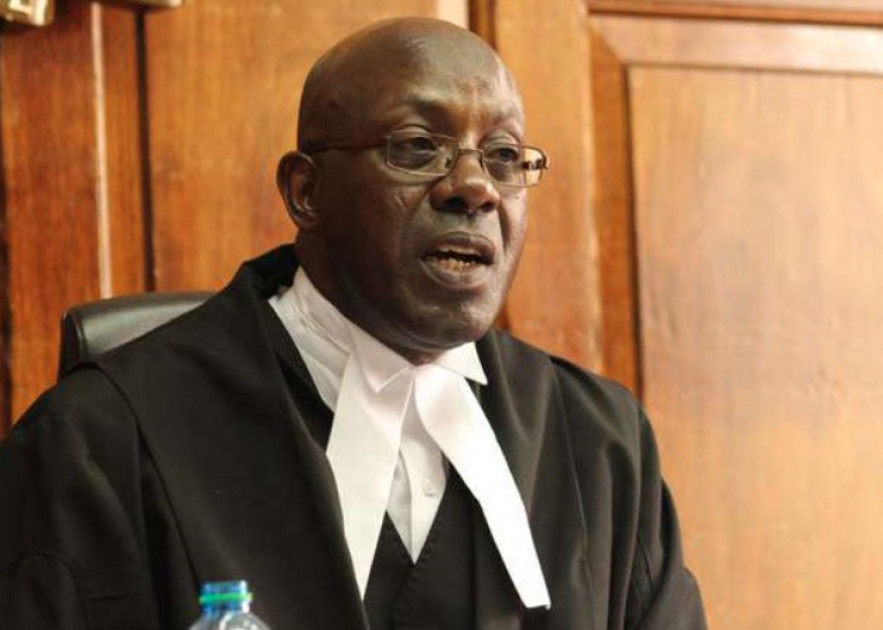
In his judgment, High Court Judge William Musyoka blocked the directive, ruling that the Health CS had acted outside his legal mandate. The court reaffirmed that only the Commission for University Education (CUE) has the authority to accredit, regulate, or discontinue university academic programmes in Kenya.
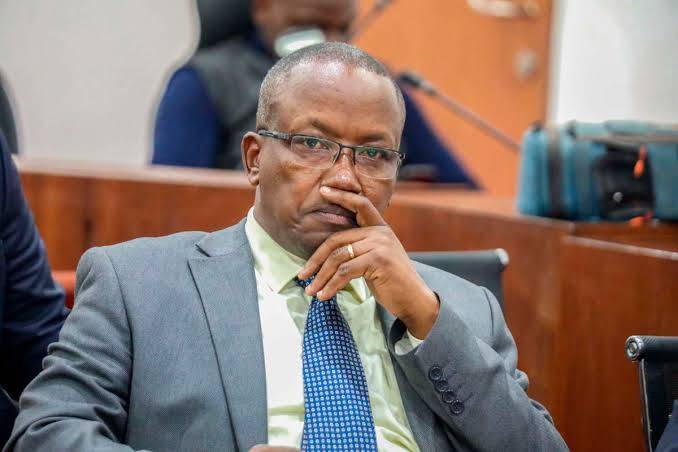
The dispute arose from a February letter authored by Duale and addressed to MKU Vice-Chancellor Prof. Jaganyi, in which the CS argued that the programme did not align with the country’s oral health needs and lacked a clearly established service gap to justify its continuation.
However, the Oral Health Association of Kenya challenged the directive, maintaining that the programme had been duly accredited by CUE in 2016 and that the Ministry of Health had unlawfully assumed powers reserved for the higher education regulator.
The association also argued that discontinuing the programme would jeopardize the academic and professional futures of the 225 students currently enrolled.
“Consequently, the first respondent has no power, under the Universities Act, to order the discontinuance of a degree programme offered by a university in Kenya,” Justice Musyoka ruled.
The judge further faulted the Ministry of Health for directly communicating with the university over academic matters instead of channeling concerns through the Ministry of Education.
“There should be no occasion for the first respondent to address a university directly on its academic programmes, bypassing the Cabinet Secretary responsible for Education,” the court stated.
On April 21, CUE formally reaffirmed the programme’s accreditation, noting that it remains recognized under the Universities Act. The commission also confirmed that it continues to work closely with the university’s Internal Quality Assurance Office to ensure compliance with established standards.
According to sector data, Kenya continues to face a critical shortage of oral health professionals. Data from the Kenya Medical Practitioners and Dentists Council indicates that only 1,426 dentists have been registered in the country since 1978. Meanwhile, the Kenya Dental Association estimates that fewer than 800 dentists are actively practising — translating to roughly one dentist for every 50,000 Kenyans.
This is significantly below the World Health Organization recommended ratio of one dentist for every 7,000 people.
MKU says the Bachelor of Science in Oral Health programme was introduced to help bridge this gap and expand access to oral healthcare services, especially among underserved populations.
Despite the ruling, the Kenya Dental Association on June 9, 2026, raised concerns over the establishment of healthcare training programmes without adequate consultation and approval from professional regulatory bodies, urging both the Ministries of Health and Education to intervene.
MKU, however, insists that all due procedures were followed in developing and accrediting the programme, citing continued oversight and recognition by CUE.
The university says the court ruling affirms its right to continue offering the programme while safeguarding the interests of the 225 students currently enrolled.