Zetech University has been awarded a prestigious grant by Lloyd’s Register Foundation to spearhead a pioneering project documenting the often-overlooked contributions of women to coastal maritime safety in Kenya.
The one-year initiative, “Documenting Women’s Roles in Coastal Maritime Safety Heritage,” will run from 2026 to April 2027 across Mombasa and Kilifi counties. The project will preserve oral histories, photographs, and community narratives highlighting the vital roles women have played in safeguarding fishing practices, monitoring weather patterns, supporting rescue efforts, and sustainably managing coastal resources.
As part of the initiative, Zetech University will establish a digital archive of stories, stage a public photography exhibition, and convene a stakeholder dialogue to connect indigenous knowledge with contemporary maritime safety frameworks.
“This grant gives us an opportunity to bring to light the invaluable contributions of women that have long remained absent from maritime policy and heritage conversations,” said Dr. Catherine Chege, the project’s Principal Investigator at Zetech University. “By documenting their experiences, we are preserving cultural heritage while strengthening community resilience and informing more inclusive safety practices.”
The project aligns with global priorities championed by the United Nations Educational, Scientific and Cultural Organization (UNESCO), the Food and Agriculture Organization (FAO), and UN Women, which advocate for the preservation of vulnerable traditional knowledge systems and greater gender inclusion in maritime governance.
By integrating women’s lived experiences into maritime safety frameworks, the initiative bridges traditional knowledge with modern innovation, positioning Kenya as a leader in inclusive maritime research and heritage preservation.
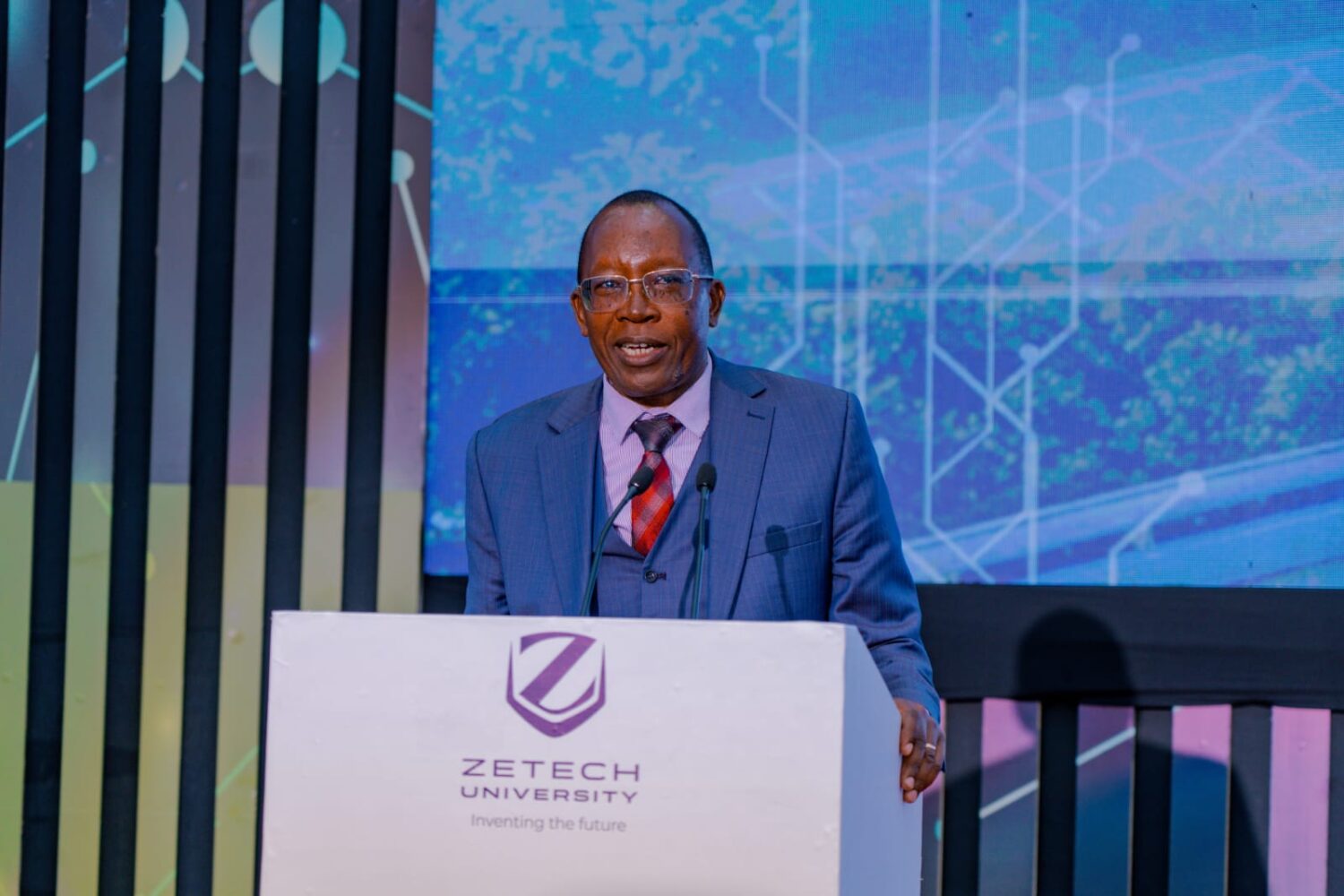
Zetech University Vice-Chancellor Professor Njenga Munene said the partnership reflects the university’s commitment to research that delivers meaningful social impact.
“This collaboration underscores our commitment to advancing research that is socially impactful, globally relevant, and deeply rooted in community realities. Through this project, we are not only preserving an important aspect of Kenya’s maritime heritage but also generating knowledge that can shape more inclusive and resilient coastal communities.”