A section of Nyanza Members of Parliament and Cabinet Secretaries have defended their decision to join President William Ruto’s broad‑based government, saying the region can no longer afford to remain on the political margins through street protests.
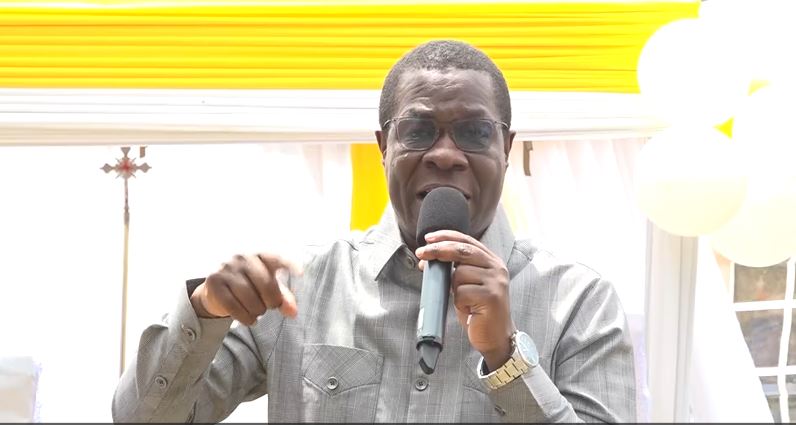
Speaking at separate church fundraisers in Ugunja town and St. Catherine’s Yogo Parish in Ugenya constituency, leaders from across Nyanza said the political pact initiated by the late prime minister Raila Odinga has anchored the region in the national development agenda.
Energy and Petroleum Cabinet Secretary Opiyo Wandayi led the defence, criticizing Siaya Governor James Orengo for telling residents to reject the partnership with the national government.
Wandayi told congregants that President Ruto has long supported the region’s political causes, including backing Mr Odinga’s 2007 presidential bid.
“We have shown our Governor respect for many years, but we must now ask him to leave the citizens alone. They know where they are going,” Wandayi said.
“If he says being inside government is bad, what then is good? For years we have fought to be in government. Our development plans as Siaya County and Nyanza are now fully integrated into President Ruto’s agenda.”
Wandayi added that he would lead efforts to secure the region’s votes for President Ruto’s second‑term bid.
Ugenya MP David Ochieng echoed Wandayi’s remarks, arguing that controlling key, resource‑rich ministries will deliver greater long‑term benefits to the local economy than pursuing the deputy presidency.
“As a community, it is wiser to get proper ministries like Health, Agriculture, Finance, and Water rather than chase the Deputy Presidency,” Ochieng said.
“We will ask the President to retain Kindiki as Deputy President, but to give our community proper ministries so the country can see how well we work when given a chance.”
Luanda MP David Maungu and Busia Woman Representative Florence Mutua urged residents to follow the political path championed by Mr Odinga, saying the “broad‑based” model accommodates both major and minor parties.
“In 2023 and 2024, I carried a sufuria on my head in protest, but did that solve our problems? No,” Maungu said. “Today, if we want electricity or development, we go directly to our own ministers like Wandayi and John Mbadi. We are inside the house now, and we cannot go back to throwing stones outside.”
Maungu, who admitted to participating in past anti‑government protests, said street demonstrations had failed to address Nyanza’s economic challenges.
Uriri MP Mark Nyamita called on the region’s leadership to ensure that ongoing national government infrastructure projects, valued at KSh 200 billion in the region, benefit local youth and contractors. He said economic empowerment was crucial to prevent the political mobilization of vulnerable young people.
“Even as these KSh 200 billion worth of projects are ongoing, we want that money to circulate amongst us. Our sons and daughters must be given the capacity to be contractors so that our youth are legally and gainfully employed,” Nyamita said.
The group concluded that Nyanza’s political future is now tied to the broad‑based government, a notable shift for a region historically viewed as an opposition stronghold.