
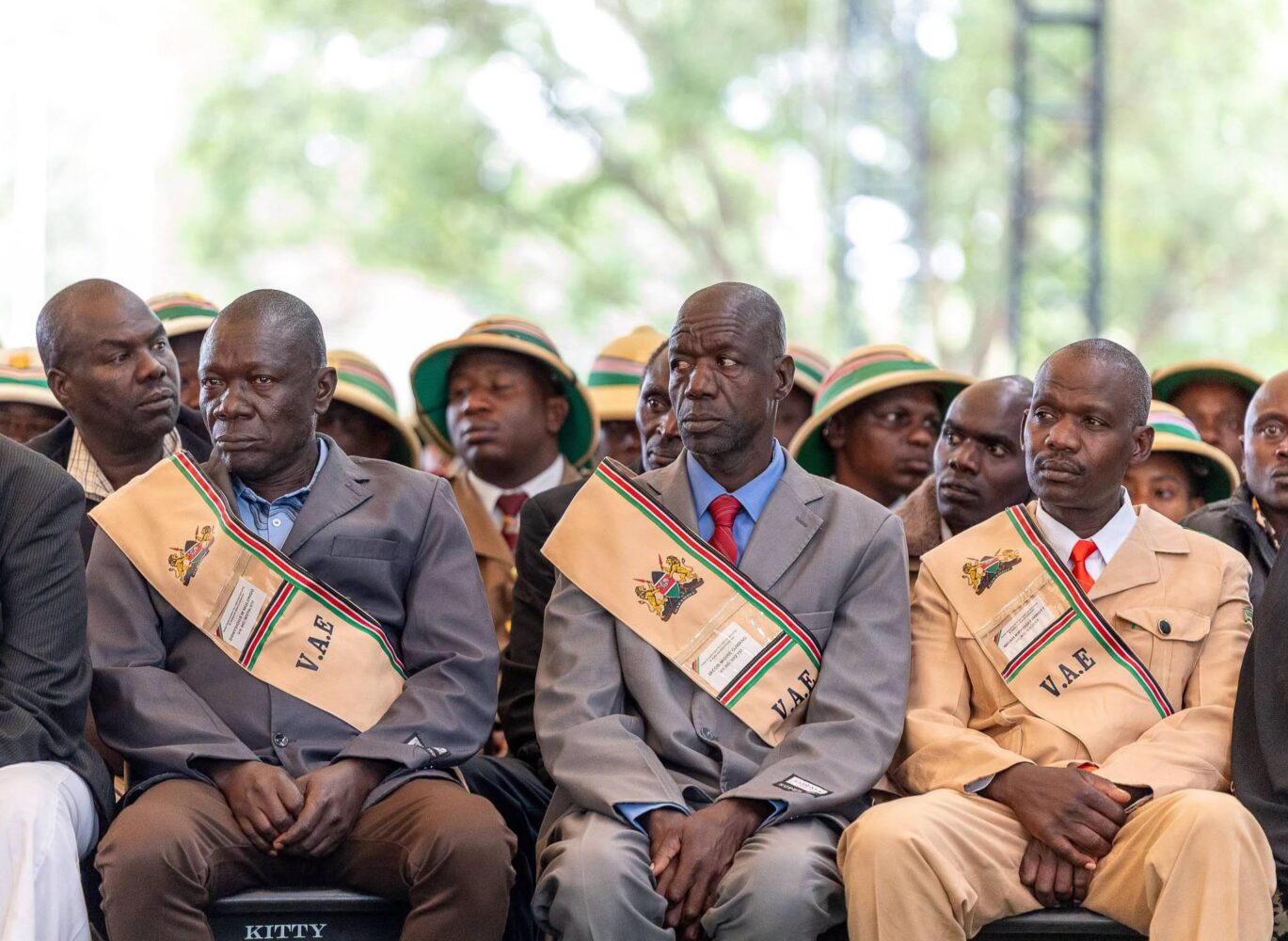
The government has officially begun paying a monthly stipend of KSh3,000 to 106,000 village elders after formally integrating them into the National Government Administration system.
President William Ruto announced the initiative on Tuesday during a meeting with more than 10,000 village elders at State House, Nairobi, describing the move as part of efforts to strengthen grassroots governance and bring government services closer to citizens.
According to the President, the stipend takes effect immediately and is among several measures aimed at supporting village elders, who have for years served communities without formal government recognition or financial facilitation.
In addition to the monthly payments, Ruto said the government plans to start paying Social Health Authority (SHA) premiums for village elders from January 2027. They will also receive smartphones to support their work, while more Administration Police officers will be deployed to work closely with them in enhancing security at the grassroots.
Interior and National Administration Cabinet Secretary Kipchumba Murkomen said the decision followed recommendations made during the nationwide Jukwaa la Usalama public consultations, where communities repeatedly called for the formal recognition of village elders.
Murkomen noted that the government has now formally recognised 106,000 village units across all 47 counties, integrating village elders into the national governance structure.
He said the programme forms part of wider reforms within the National Government Administration aimed at improving service delivery, strengthening local administration and enhancing community security.
The Interior CS added that the reforms also include training programmes for chiefs and assistant chiefs, the introduction of a structured career progression framework and the deployment of officers under the National Government Administration Police Unit (NGAPU) to reinforce security at the grassroots.
Village elders have traditionally played a key role in conflict resolution, community mobilisation and implementation of government programmes, often serving voluntarily without official support.
Government officials say the new policy seeks to acknowledge their contribution while improving coordination between local communities and the national administration.