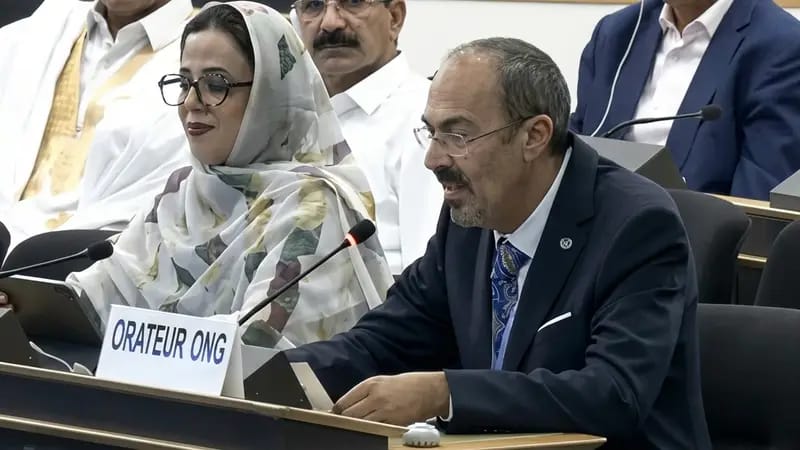
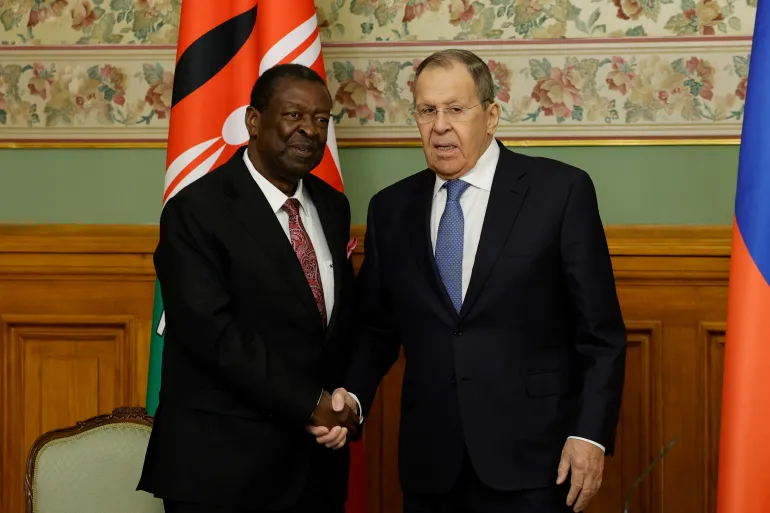
Against the backdrop of rising fuel prices, economic uncertainty, and heated political debate, students, leaders, and members of the public gathered at the Chandaria Auditorium at the University of Nairobi for a pivotal Town Hall conversation.
The forum brought together young people and national leaders to discuss the country’s most pressing issues; from the global fuel crisis and taxation to governance, geopolitics, and the future of Kenya’s economy.
In a candid and wide-ranging address, Treasury CS John Mbadi defended government policies, explained the impact of the Middle East conflict, responded to government critics, and outlined plans to stabilize the economy while broadening the tax base in the country.

Treasury Cabinet Secretary John Mbadi explained that the 2026 Finance Bill focuses more on administrative reforms rather than introducing new tax burdens on Kenyans. According to him, the government listened to public concerns following the 2024 protests and avoided major increases in income tax and other common taxes.

He noted that the government plans to introduce a tax amnesty targeting businesses and individuals with pending tax disputes. Under the proposal, taxpayers would only pay the principal tax owed while penalties and interest are waived, helping Treasury recover billions in outstanding revenue.

CS Mbadi defended the government’s economic policies, saying Kenya avoided default despite earlier warnings from international lenders like the International Monetary Fund (IMF). He pointed out that the Kenyan shilling is now stabilized which, he described as evidence of improved economic management compared to the previous government.

The CS insisted that the 2026 Finance Bill is not designed to increase taxes on ordinary Kenyans. Instead, he said the government is broadening the tax base by targeting untaxed income brackets.

The CS says the treasury is implementing administrative adjustments designed to capture revenues from untaxed brackets, ensuring compliant taxpayers do not continue carrying a disproportionate national burden.

CS Mbadi highlights that a major focus of the current revenue expansion framework targets high-earning individuals who operate outside traditional payroll setups. For instance, treasury emphasizes that requiring landlords to submit a modest fractional tax on commercial rent is essential for horizontal equity.

The CS also singled out consultants, accountants, dentists, and other professionals as some of the groups the government wants to monitor more closely for tax compliance. He argued that many make substantial earnings but fail to declare or remit taxes fairly.The Treasury CS said Kenya’s tax collection system remains too manual and outdated. He announced that money had been allocated to modernize Kenya Revenue Authority systems in the previous supplementary budget.

The CS said this is supposed to strengthen digital tax administration to improve efficiency and reduce loopholes. He noted it would be useful instead of compounding multiple tariffs at the border.

Mbadi strongly defended proposals allowing greater access to financial data for tax enforcement. He argued that some wealthy individuals hide behind privacy laws while avoiding taxes, even as salaried workers continue paying deductions consistently. He maintained that improved financial transparency is necessary for fair taxation and reducing the burden on ordinary taxpayers.

Mbadi said the government has learned from past tensions and plans to increase public participation on finance matters. He described forums, interviews, and open discussions as part of efforts to rebuild public trust after widespread protests over taxation and the cost of living.
CS Mbadi said the government had initially been operating in a relatively stable economic environment before the war disrupted projections, leading to reduced revenue collections and increased expenditure pressures. He explained that the Treasury was still reviewing the numbers to assess the impact of offering additional tax reliefs amid existing budget deficits and financing obligations.