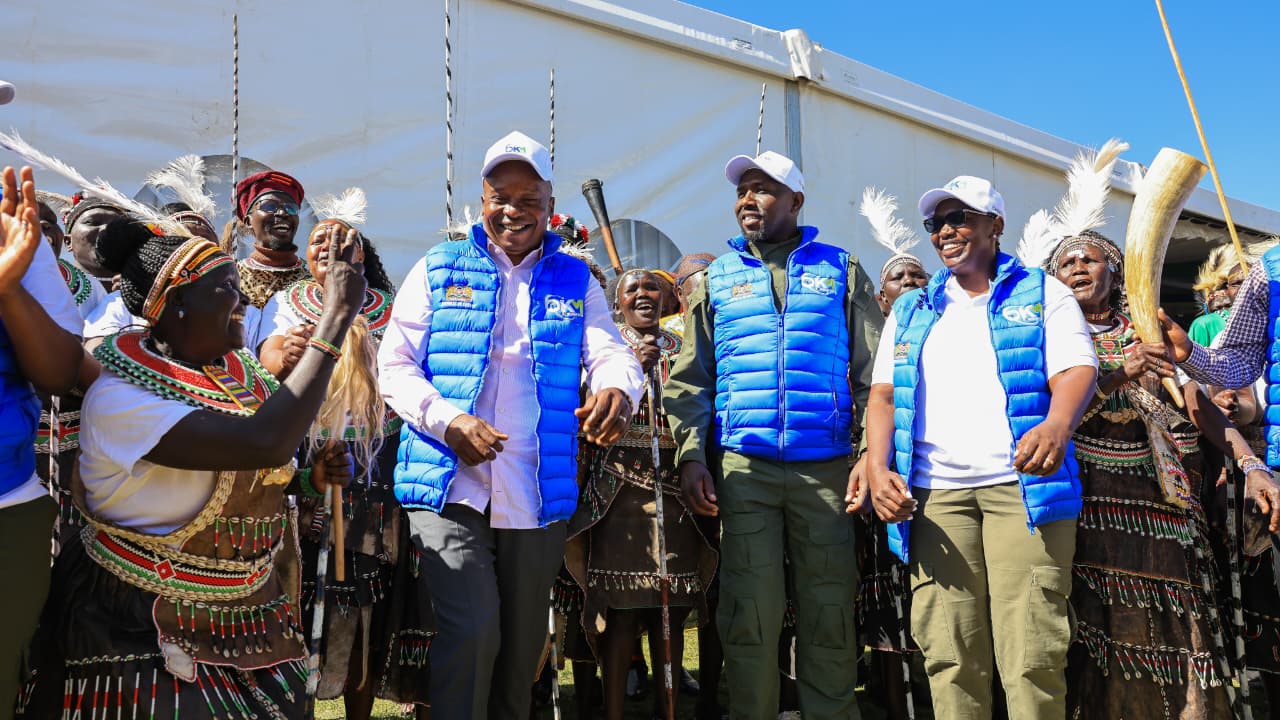
Deputy President Kithure Kindiki and Interior Cabinet Secretary Kipchumba Murkomen have rallied communities in the North Rift to support the Cherangany Hills Ecosystem Restoration for Livelihood Improvement, Sustainability and Harmony (CHERISH) programme, an ambitious environmental restoration initiative targeting the degraded Cherangany Hills ecosystem.
Speaking during the official launch of the programme in Kapyego, Elgeyo Marakwet County, Prof. Kindiki said environmental conservation was both a constitutional responsibility and a moral obligation for all Kenyans.
“We have a constitutional duty as a nation, both collectively and individually, to conserve the environment,” Kindiki said during the International Day for Biological Diversity celebrations.
The Deputy President said programmes such as CHERISH would support President William Ruto’s target of planting 15 billion trees by 2032 to combat climate change and restore degraded ecosystems.
The programme, spearheaded by Murkomen under the OKM Foundation, is a 10-year initiative focused on restoring the Cherangany Forest ecosystem, strengthening climate resilience, promoting sustainable livelihoods and empowering communities through green economic activities.
Murkomen said the programme goes beyond conservation and directly addresses security, peace and livelihoods in the Kerio Valley region.
“There is a close relationship between security and climate change due to climate-related conflicts,” he said.
The CS linked environmental destruction in the region to rising cases of landslides, resource-based conflicts and insecurity.
“The forest was once thicker, the springs cleaner and the rivers more reliable than they are now. What we are witnessing is not just environmental degradation. It is the slow erosion of security, livelihoods and stability,” Murkomen said during an earlier partners’ roundtable meeting in Nairobi.
The initiative seeks to restore more than 62,000 hectares of degraded land, rehabilitate critical water sources and create green jobs through agroforestry, beekeeping, eco-tourism and community-led restoration efforts.
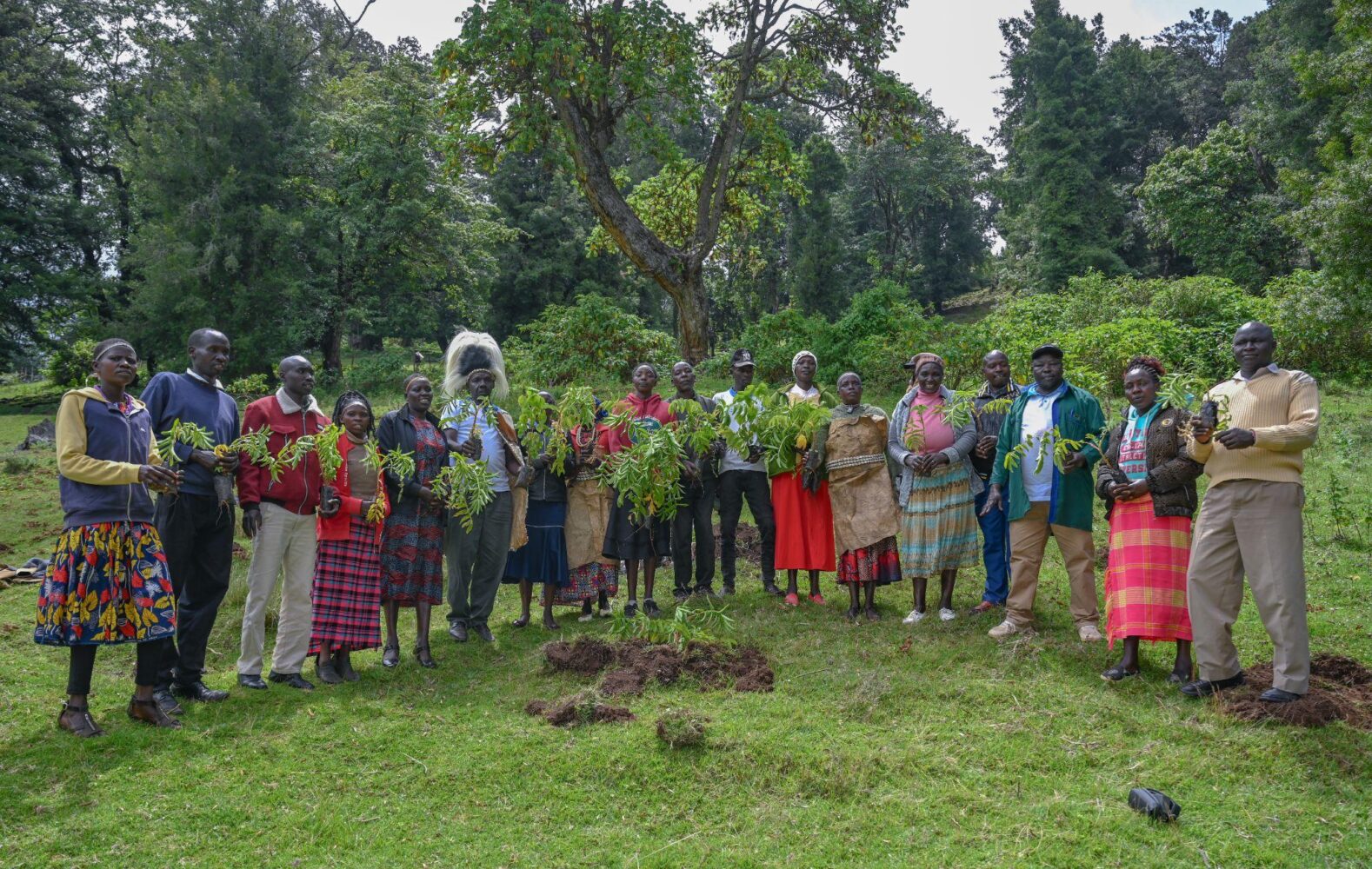
“Our goal is to restore and replace trees in 40,000 hectares across the four counties,” Murkomen said.
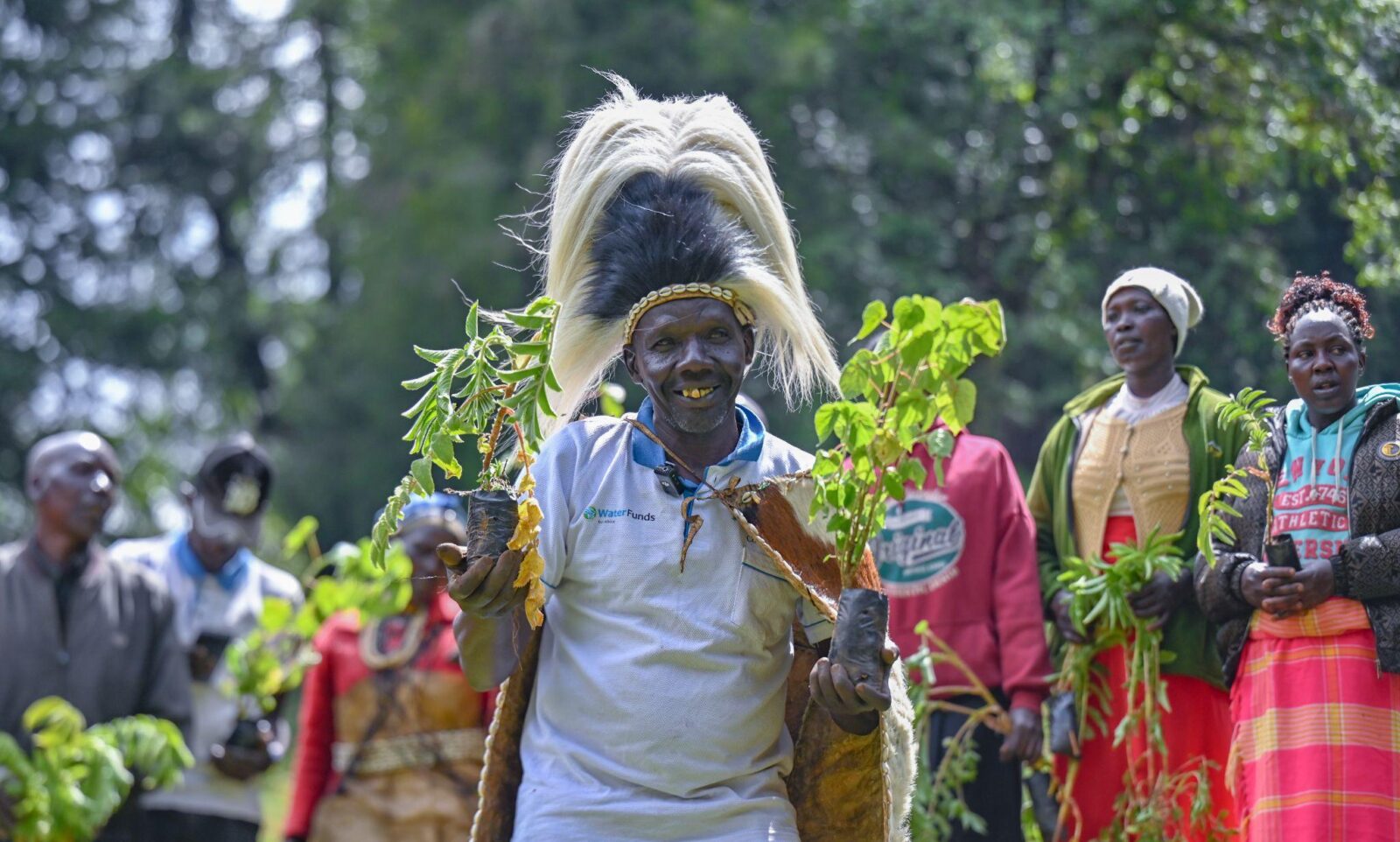
The Cherangany ecosystem spans 414,928 hectares across Trans Nzoia County, Elgeyo Marakwet County, West Pokot County and Uasin Gishu County. It comprises 22 gazetted forests and feeds more than 22 rivers flowing into Lake Victoria and Lake Turkana.The launch comes months after the deadly Chesongoch landslide of October 2025, which displaced families, buried homes and claimed lives after heavy rains triggered mudslides in the Kerio Valley.
Members of the Sengwer community in the Kapyego block of the Cherangany Hills have backed the programme, describing it as the first major conservation initiative to genuinely recognise indigenous communities as custodians of the forest.Sengwer community member Paul Kiptuga, popularly known as “Cherangany”, said previous conservation projects failed because they excluded indigenous communities and ignored traditional knowledge.
“Many projects came and we opposed them because they did not understand indigenous communities. Without indigenous people, the forest cannot survive,” he said.
Kiptuga said the community embraced CHERISH because it recognised the relationship between local communities and the forest ecosystem.
“We know where bamboo grows, where cedar belongs and where indigenous trees should be planted. We want indigenous knowledge to guide the restoration of this forest,” he said.
Murkomen maintained that restoration efforts would only succeed if communities remained at the centre of conservation initiatives.“The success of CHERISH depends on the people who live within and around the ecosystem. Restoration must be community-led and community-owned,” he said.