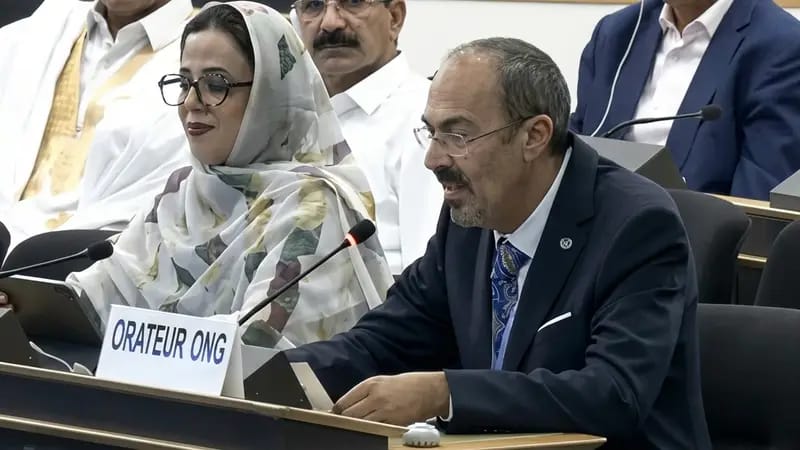
Nairobi Governor Sakaja Johnson has outlined how modern markets have a critical role to play in reducing food losses and ensuring more of Kenya’s agricultural produce reaches consumers, as the county races to complete and modernise 20 markets.
Sakaja says agricultural transformation should not end when food leaves the farm, but must extend to the markets, storage facilities, processing plants and other stages of the food value chain.
He said properly designed markets should do more than provide trading spaces, arguing that they should help preserve the value of food through cold storage, aggregation, grading, packaging, processing and efficient distribution.
“Agricultural transformation will not be won on the farm alone. It will also be won in the last 50 kilometres in our markets, our cold rooms, our processing factories, our kitchens and increasingly, in computer code,” Sakaja said.
Nairobi is currently undertaking the construction and modernisation of 20 markets across the county, including Gikomba Market, which is 98 per cent complete; South B Market, at 97 per cent; Maji Mazuri Market, which is complete; and Kahawa West Market, among others.
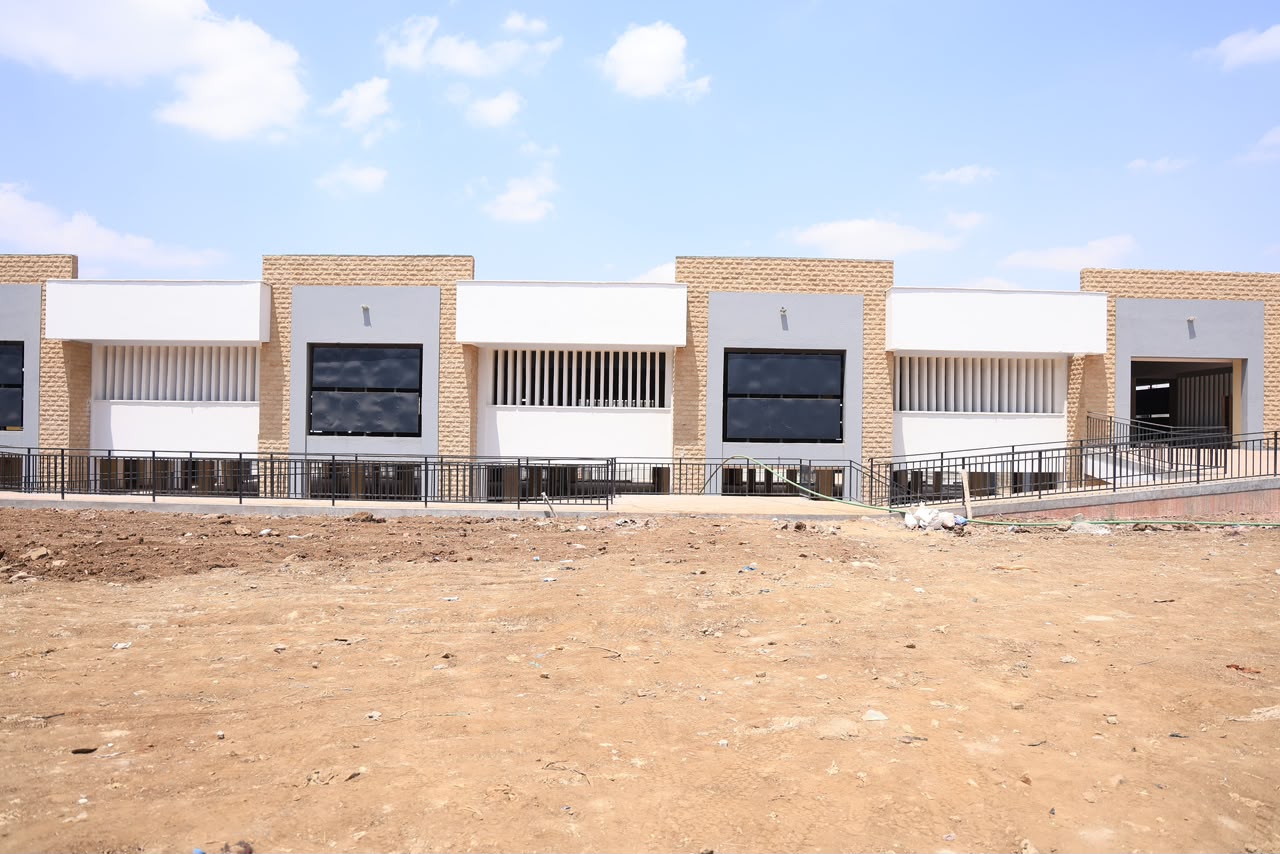




Sakaja said the objective is not to claim that markets themselves increase food production, but to ensure that food already produced by farmers is not lost before reaching consumers.
“A market should be where food stops rotting, not where it goes to rot,” he said.
The Governor cited research by the World Resources Institute, which estimates that Kenya loses or wastes up to 40 per cent of the food it produces annually approximately nine million tonnes valued at about Sh72 billion.
He said cutting these losses by half could make enough food available to feed more than seven million additional Kenyans every year, without necessarily requiring millions of additional acres to be cultivated.
“The farmer did her job. She planted, tended, harvested and transported her produce. But too often, the system between her and the plate did not do its job,” Sakaja said.
He said modern markets could help address this gap by providing infrastructure that allows food to be stored, processed and distributed more efficiently.
“When there is a glut of tomatoes, we should not be watching them spoil. We should be processing them into paste. When there is an oversupply of potatoes, we should be creating new products, new industries and new jobs,” he said.
Sakaja said this would make the agricultural revolution also an industrial one, with more value being retained within the food chain.
He said better markets could also give farmers more reliable access to consumers and, when combined with predictable demand, provide stronger incentives for production.
The Governor pointed to Nairobi’s Dishi Na County school feeding programme as an example of how predictable institutional demand can strengthen the agricultural value chain.
The programme feeds 324,000 learners in 230 public schools and requires about 37 tonnes of food every school day, including rice, beans, vegetables and other produce.
“That is not just a nutrition intervention. It is a daily demand for rice, beans, ndengu, vegetables and other agricultural produce. And predictable demand is something a farmer can take to the bank,” Sakaja said.
He said the county was keen to connect cooperatives and farmers from producing counties to Nairobi’s institutional markets and kitchens through transparent and competitive procurement.
“Let us connect your cooperatives to our kitchens. Your farmers to our markets. Your production to our consumption,” he said.
Sakaja said modern markets, institutional demand, cold-chain infrastructure, processing and technology should work together to shorten the distance between farmers and consumers.
He said Nairobi, despite having relatively little farmland, plays a major role in Kenya’s food economy because millions of people consume food in the capital every day.
“Nairobi may not grow most of Kenya’s food. But Nairobi plays an enormous role in determining what that food is worth,” he said.
The Governor said the city should therefore work in partnership with counties that produce food, rather than compete with them.
He said reducing food losses would improve food security while ensuring farmers retain more value from what they produce and consumers have access to quality and affordable food.
“Food security is not simply about how much food we grow. It is about how much of what we grow actually reaches the table,” Sakaja said.
“The next frontier is not just producing more. It is losing less, processing more, connecting better and ensuring that the farmer earns more while the consumer pays fairly.”
Sakaja said Nairobi’s modernisation of its markets is therefore part of a wider effort to build a more efficient food system in which farmers, traders, processors and consumers all benefit.